How to shop more responsible footwear, from sneakers to sandals
The smartest shoe purchases are the ones with proof: better materials, repairable construction, and transparent supply chains. Here’s how to spot responsibility without falling for greenwashed polish.
The real test of a responsible shoe
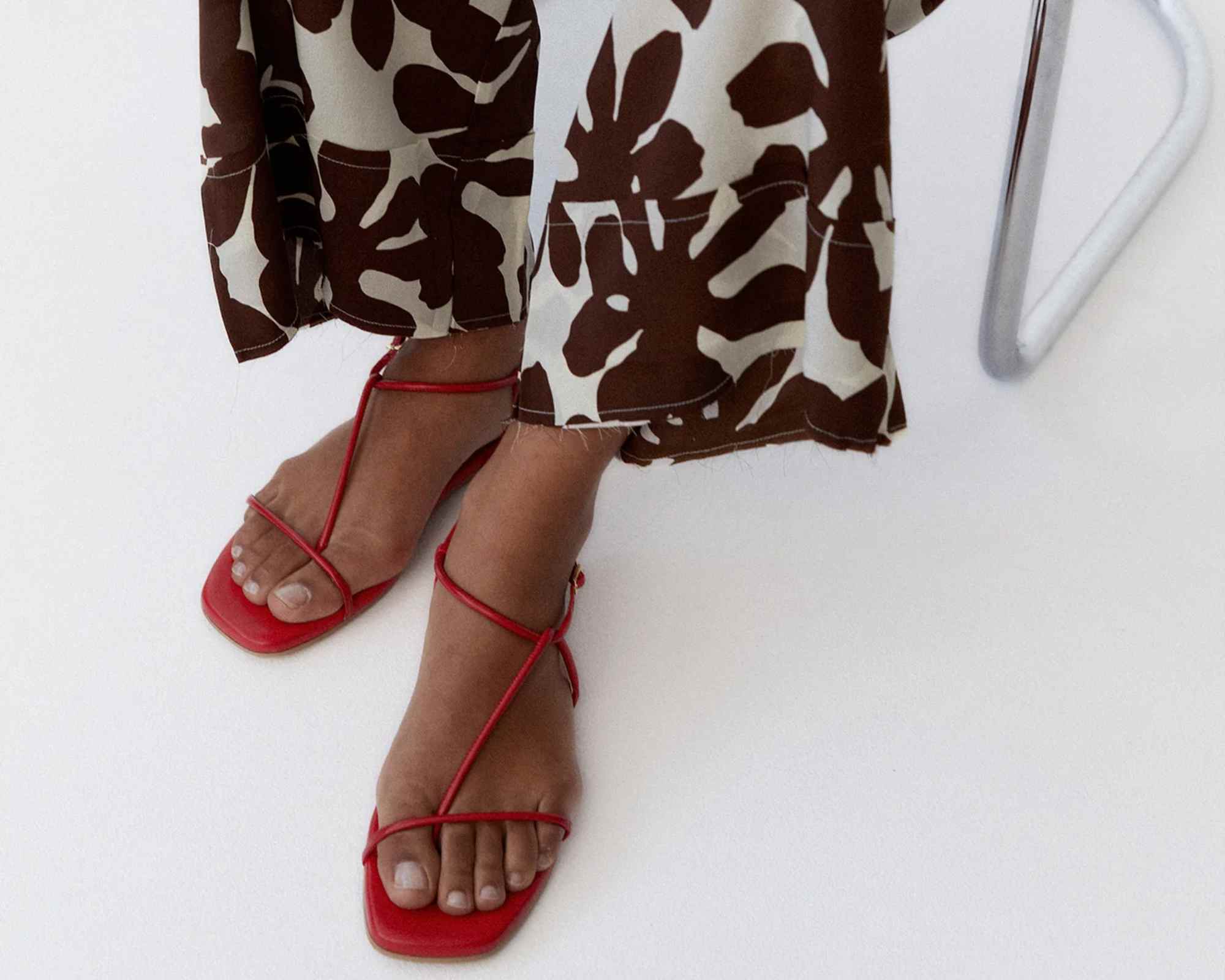
A better shoe is not the one with the prettiest earth-tone marketing. It is the one that proves its claims through materials, repairability, traceable supply chains, and a credible plan for what happens when the pair is worn out. Good On You’s shoe directory makes that easier by gathering thousands of brand ratings in one place, so you can compare sneakers, sandals, boots, heels, and flats without guessing which labels actually take people, planet, and animals seriously.
That matters because footwear is not a niche corner of fashion. The World Footwear Yearbook 2024, its 14th edition, tracks 2023 data on production, consumption, exports, and imports, and its numbers show how global the category really is. Asia accounts for 54.7% of global footwear consumption, while Europe holds 13.9% and North America 13.4%. Shoes are made and bought inside a vast supply chain, and that scale is exactly why small-sounding details like adhesives, tanning, and labor visibility can have outsized impact.
Start with the system, not the slogan
The easiest way to shop better is to ignore vague language and look for evidence. The OECD’s Due Diligence Guidance for Responsible Supply Chains in the Garment and Footwear Sector asks companies to identify and address negative impacts throughout the supply chain, which is a far more serious standard than a recycled-content badge slapped on the product page. UNECE takes the same view from another angle: the industry needs better traceability and transparency so brands know who made the product, how it was made, where it was made, and under what conditions.
That is the first filter worth using in-store or online. A responsible brand should be able to tell you more than the colorway and the capsule collection name. It should be able to explain where the upper came from, where the sole was assembled, whether the factory is disclosed, and whether the shoe was designed with repair or disassembly in mind.
- Can the brand name its factories or key production partners?
- Does it explain what the shoe is made from in plain language?
- Is there a repair path, resale path, take-back program, or recyclability plan?
- Does it offer substance, or just a sustainability mood board?
A simple way to think about it:
Materials: where the biggest myths live
Leather is the category’s most persistent complication. Good On You says animal leather may not be as eco-friendly as it is often claimed to be, and the International Labour Organization notes that the tanning and leather industry plays a significant role in consumer goods including footwear. That means leather is not automatically the premium ethical choice just because it is durable or familiar. It carries environmental and labor questions that deserve more than a glossy finish and a heritage story.

This is where alternative materials start to matter. The Ellen MacArthur Foundation highlights Desserto cactus leather as one example, pointing to early life cycle assessments that found it had a 500% lower eutrophication impact than animal leather and 10% lower than polyurethane synthetic leather. The same source says Desserto’s 14-acre farm can absorb 8,100 tons of CO2 per year. Those are the kinds of numbers that separate a real material shift from a marketing trend.
Still, no material should be treated as magic. A shoe made from cactus-derived material can still be badly made, impossible to repair, or assembled in a supply chain with little transparency. What you want is not one “good” ingredient, but a combination of better inputs and better systems.
Construction is the quiet clue
If you want footwear that lasts, look at how the shoe is put together, not just what it is made from. A stitched sole is usually easier to repair than a heavily bonded one, and a well-constructed upper with replaceable components will often outlive a trendier shoe that looks sustainable only because it is beige and minimally branded. The most responsible pairs tend to look less clever and more considered: tidy seams, fewer decorative layers, and fewer design choices that make cobbling impossible.
For sneakers, that often means checking whether the sole can be replaced or whether the brand offers a repair service. For boots and flats, look for sturdy stitching, reinforced stress points, and materials that can age with wear rather than collapse at the first sign of rain. Heels are the hardest category to make truly long-lasting, so a responsible heel should at least have replaceable heel tips, durable lining, and a shape you can actually rewear rather than a one-season novelty.
In every category, skip the pair that feels disposable from the moment you lift it. If the sole is aggressively glued, the lining is flimsy, and the brand says nothing about repair, you are probably looking at a short-life product dressed in long-life language.
Traceability is the new luxury detail
Transparency used to be a nice-to-have. In footwear, it is now the point. UNECE’s work on traceability and transparency is a reminder that responsibility begins with knowing who did the work and under what conditions, not just whether the shoe includes a recycled thread somewhere in the upper.
That makes labor disclosure a real shopping signal. A brand that names its factories, explains its compliance standards, and publishes a due-diligence approach is doing more than performing goodness. It is acknowledging that footwear, like the rest of fashion, depends on people as much as materials. And because shoes are made through a chain that can stretch across countries and continents, the absence of detail is not a minor omission. It is usually the story.
Why footwear deserves its own lens
The Footwear Innovation Foundation says its carbon report is intended to help journalists, academics, retailers, and policymakers understand footwear as its own product category, and that distinction matters. Shoes behave differently from clothing: they are denser, more material-heavy, more reliant on adhesives and molded parts, and often harder to recycle cleanly at end of life. If the industry wants better standards and better policy, it needs better shoe-specific data, not clothing assumptions stretched over a different product.
That is also why the World Footwear Yearbook matters so much. The 2024 edition gives the sector a current benchmark with 2023 data, and the next yearbook was said to be due by the beginning of August 2025. In a category this global and this resource-intensive, annual data is not just for analysts. It shapes what brands design, what suppliers produce, and what kind of claims the market can get away with.
What to buy, and what to skip
The best responsible shoe is the one you will wear often, repair when needed, and keep out of landfill as long as possible. Start with brands that show up in Good On You’s shoes directory, then compare the product against the harder questions: is the material genuinely better, is the construction serviceable, and does the company disclose enough to earn your trust?
Buy the pair when it offers more than a green adjective. Skip the pair when the sustainability story is louder than the design proof. In footwear, the smartest luxury is not abundance. It is choosing fewer pairs that are built, sourced, and explained well enough to deserve the space they take up.
Know something we missed? Have a correction or additional information?
Submit a Tip