Philippines opens banana-fibre hub to turn waste into fashion materials
Banana stalks are being spun into fashion feedstock in Isabela, with a hub targeting 40 kilos of fibre a day and up to P9 million in annual income.
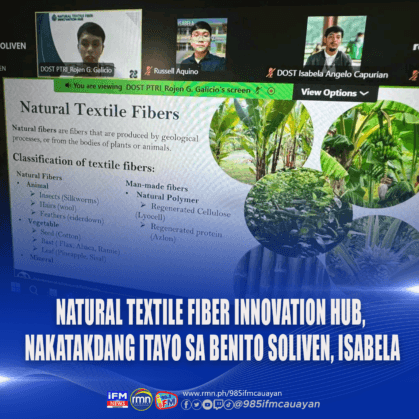
Banana stalks are getting a second life in Benito Soliven, Isabela, where a new textile hub is turning farm waste into material that could feed handicrafts, woven goods and fashion fabrics. The project matters because it moves the conversation past sustainability rhetoric and into the mechanics that decide whether a rural fibre can become a real supply chain: collection, processing, quality and scale.
The Natural Textile Fiber Innovation Hub was formally launched on May 18, 2026, by the Department of Science and Technology through the Philippine Textile Research Institute, with about P6 million worth of equipment and installation support. The facility is expected to process banana stalks and other byproducts into treated or spinnable fibres at a rate of 10 to 40 kilograms a day, with PTRI estimating a market value of P2,613.88 per kilogram. DOST said the hub could generate up to P9 million in annual income.
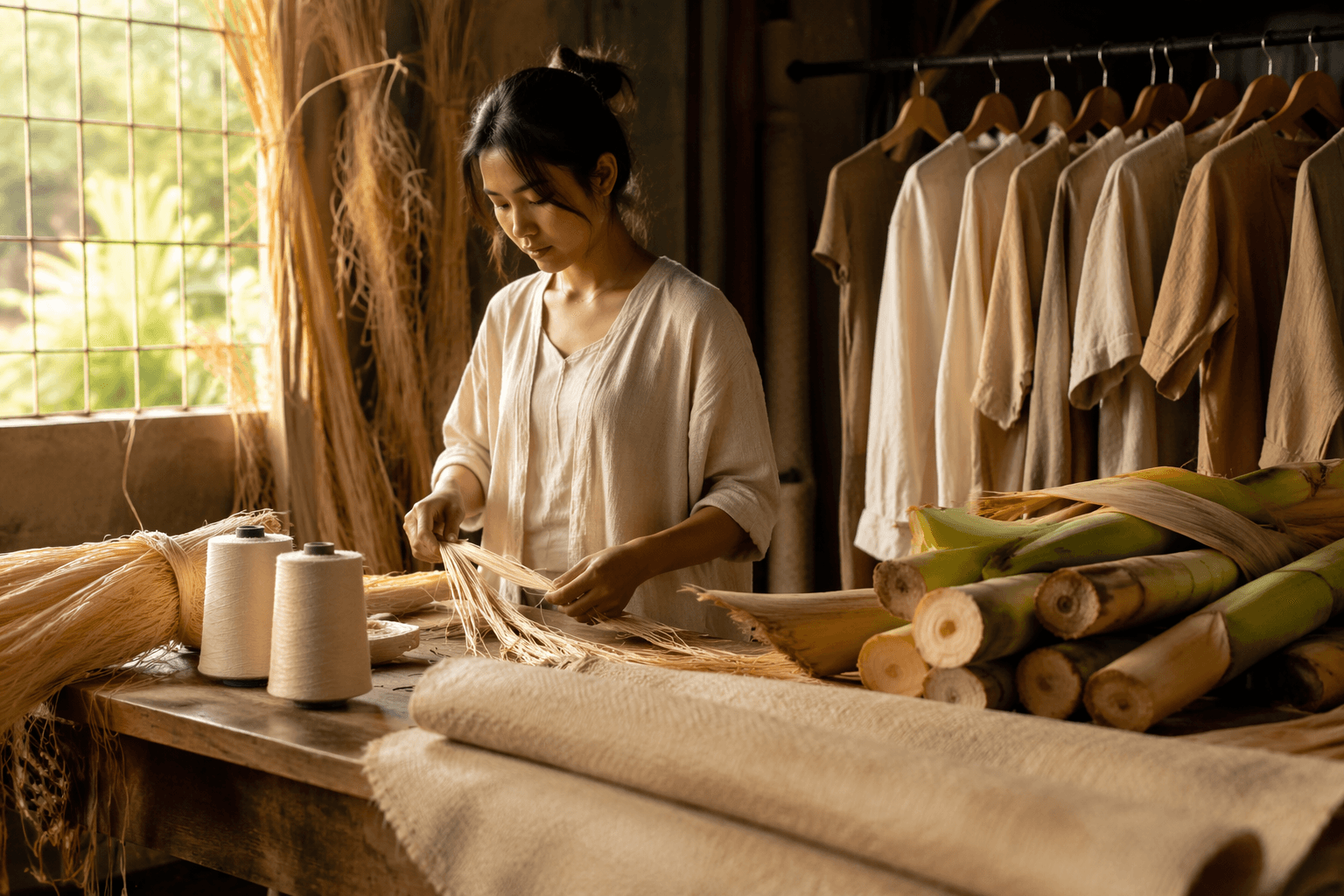
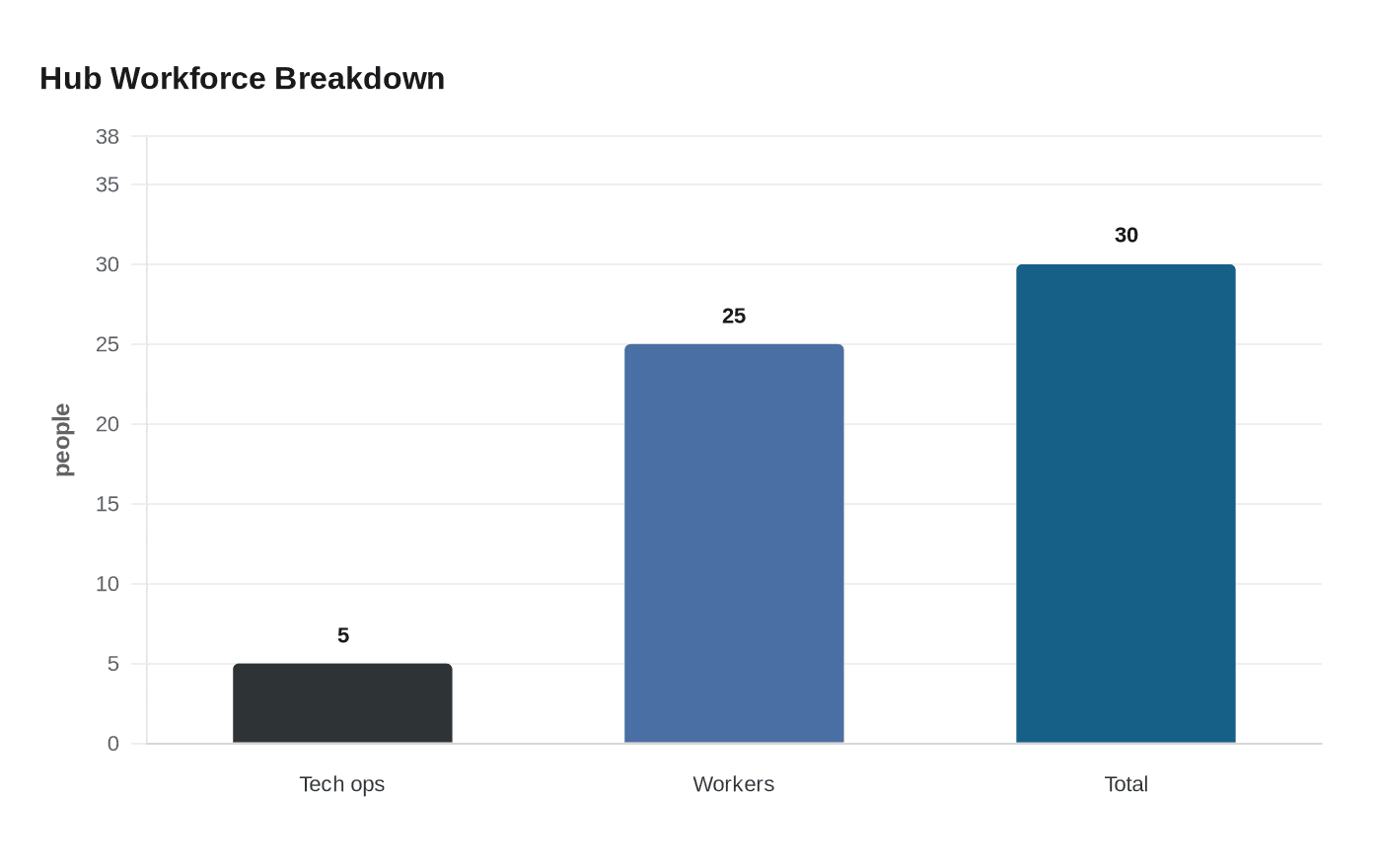
For fashion, the key question is not whether banana fibre sounds appealing. It is whether the material can arrive in steady enough volume, with consistent quality, to move beyond local novelty. DOST says around 30 community members are expected to benefit directly, including five technical operators and about 25 workers in collection, fibre preparation, logistics and support services. That kind of workforce is the real backbone of a rural materials economy: it is what turns crop residue into something brands can source with confidence.
The hub also fits into a much larger agricultural landscape. PTRI says Benito Soliven alone has about 1,200 hectares devoted to banana plantations, and the town has already built cultural identity around that abundance through its Sabunganay Festival, named for the Ilokano word for banana blossoms. The Solivenian Agriculture Business Association, formed in 2023, had already been developing livelihood products from banana byproducts, including handmade paper and eco-friendly paper lunch boxes made from banana stalks. The new hub gives that effort processing muscle.
Julius Leaño Jr. said the project, carried out with the local government of Benito Soliven and SABA, was meant to strengthen Isabela’s emerging natural fibre industry and promote science-driven enterprises in the countryside. Virginia Bilgera said it advances sustainable banana fibre production by converting agricultural waste into durable raw material for textile use. Mayor John Paul Azur said the hub could generate employment and position the town as a center for natural textile innovation in the province.
The launch also builds on the Regional Yarn Production and Innovation Center in Isabela, a micro-scale yarn-spinning facility launched in 2023 that can produce 50 kilograms of yarn per day. PTRI says Northern Luzon’s natural-fibre ecosystem already draws on banana, bamboo, pineapple and abaca. That broader network is where banana fibre becomes more than a local success story: it becomes export-ready only when the stalks, the treatment, the spinning and the standards line up.
Know something we missed? Have a correction or additional information?
Submit a Tip