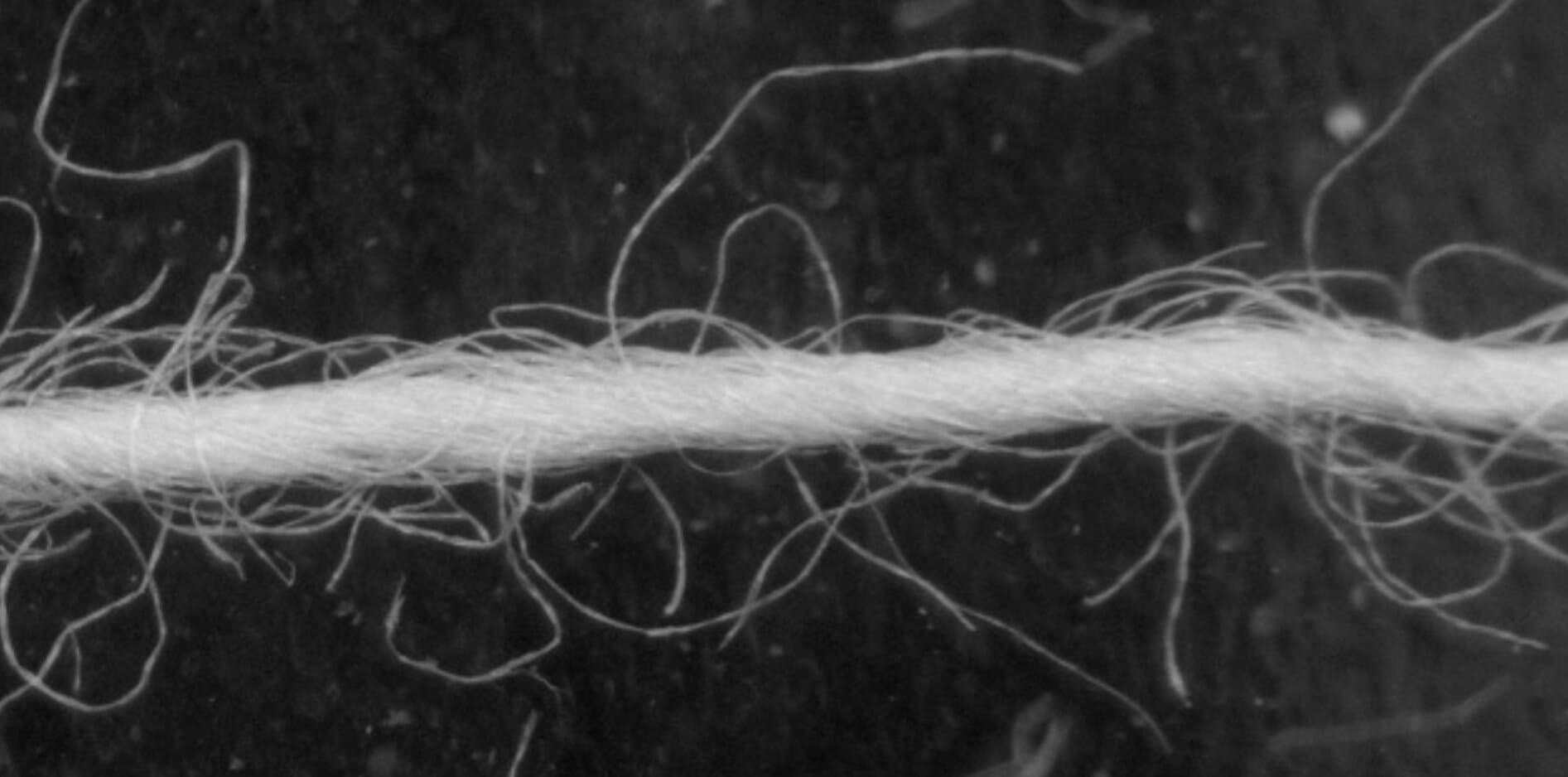
Pili wins ANDAM prize for bio-based indigo that cuts denim emissions
Pili’s bio-based indigo just got a powerful push from ANDAM, and the real question is whether denim mills can scale it fast enough to matter.
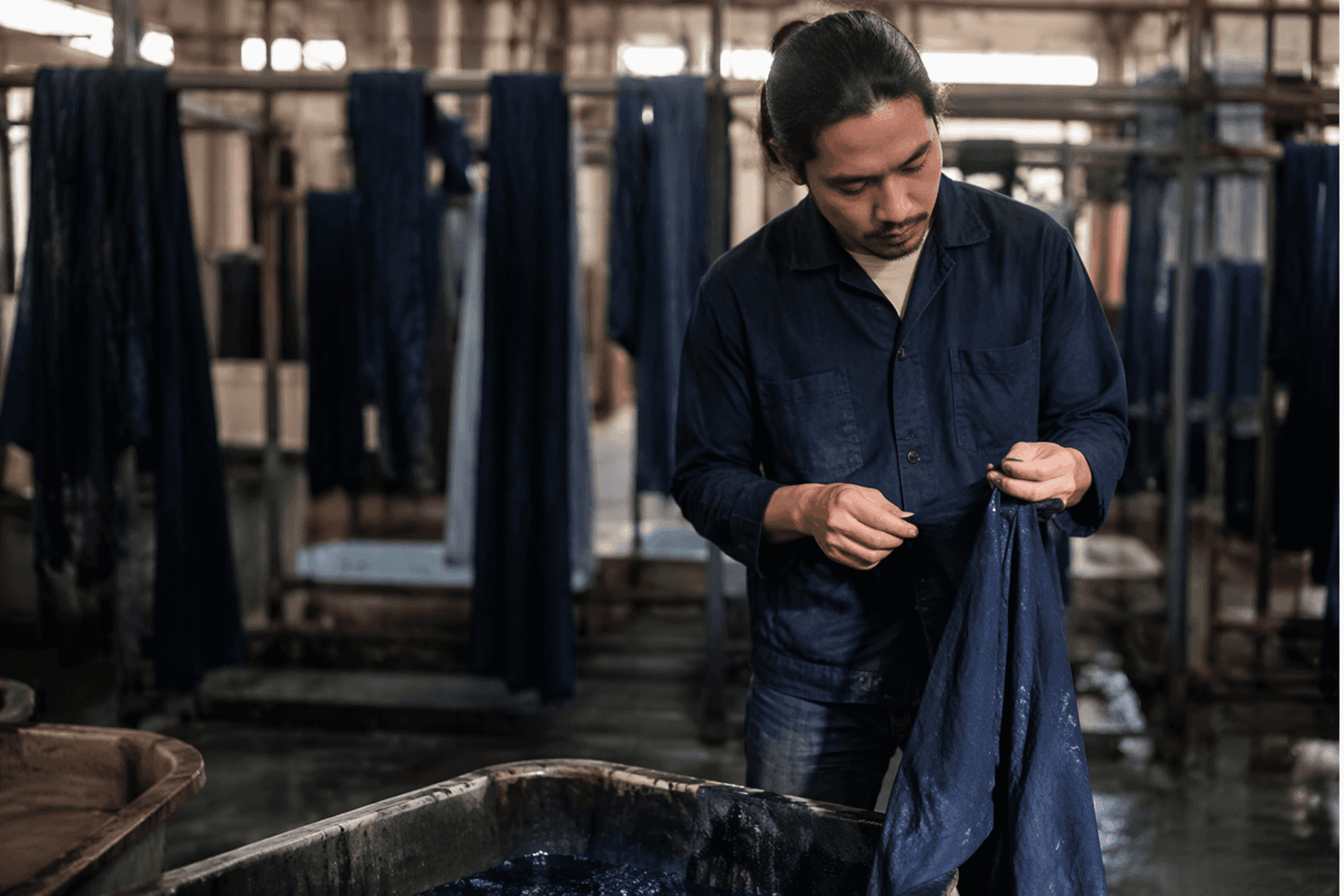
A bio-based indigo dye is moving from promising lab chemistry to something denim can actually build around. Pili won ANDAM’s 2026 Special Prize, a €100,000 award paired with a year of mentorship from Alexandre Mattiussi, and the recognition puts fresh pressure on one of fashion’s dirtiest color systems: indigo.
That matters because denim is not a niche test case. Pili says 99% of indigo still comes from fossil fuels, even as denim sales top three billion units a year. The company’s Eco-Indigo is made through industrial fermentation using bacteria, then finished with organic chemistry in a hybrid process designed to replace petro-based indigo with a renewable alternative. Pili says that switch can cut carbon emissions from indigo production by more than 50%, while also lowering water, energy and chemical use.
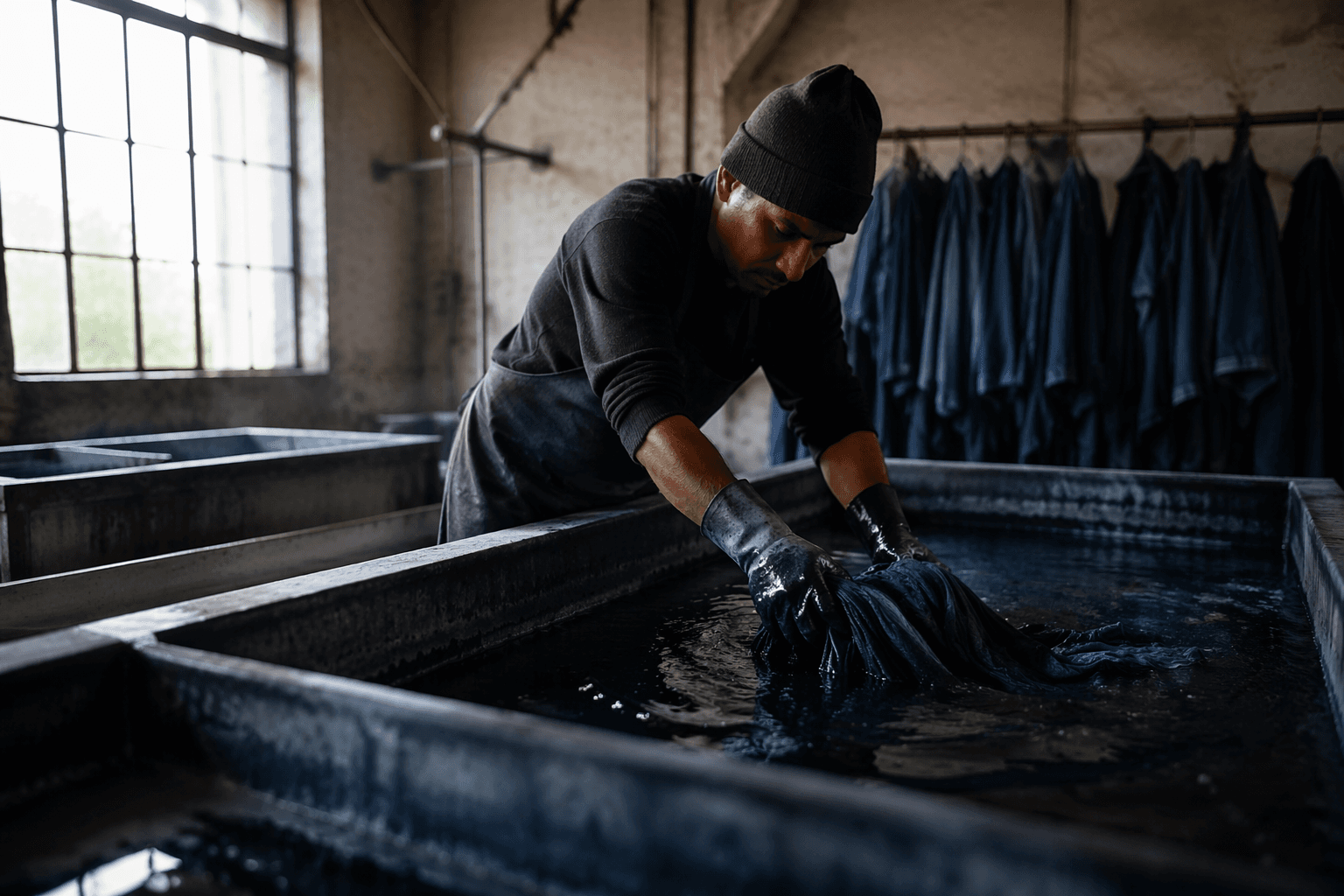
The bigger story is not the trophy itself but the manufacturing signal it sends. Pili, founded in 2015, has spent years trying to reposition dyes as industrial climate infrastructure rather than invisible inputs. The company says the color industry emits 200 million tons of CO2 a year, which gives its pitch unusual scale: if color reform is going to happen anywhere in fashion, it has to happen in denim, where every wash and fade depends on indigo in vast volumes. A prize from ANDAM does not solve scale-up, but it does place a serious bet on a process that has already moved beyond theory.
That step beyond the lab is the part brands will watch closely. Citizens of Humanity Group and Orta have already partnered with Pili on Eco-Indigo, and Citizens of Humanity says the dye is made from renewable resources like sugar through fermentation and green chemistry. The brand introduced the first garments using the dye in Spring 2025, an early sign that mills and denim labels are willing to test bio-based color in real product, not just in slide decks.
The next hurdle is whether more mills can adopt it without compromising the deep, saturated blue that denim buyers expect. Scale, consistency and cost will decide whether Pili becomes a meaningful shift in production or remains an impressive pilot with a sustainability story attached. The ANDAM prize suggests the industry is ready to keep testing the former, and denim may finally be close to a cleaner version of its most iconic shade.
This article was produced by Prism’s automated news system from verified source data, official records, and press releases, then run through automated quality and moderation checks before publishing. The system is built and supervised by the people who set the standards it runs under. Read our full AI policy.
Know something we missed? Have a correction or additional information?
Submit a Tip