Ponda scales BioPuff insulation to fund wetland restoration
Ponda is turning rewetted wetlands into a working insulation supply chain, using BioPuff to link restoration funding, farmer income and fashion’s need for scalable low-impact fill.

BioPuff is less a material than a supply-chain wager
Ponda’s most compelling idea is not simply that BioPuff is a lower-impact insulation. It is that fashion can help finance wetland restoration through the way it sources fill, turning land-use regeneration into infrastructure rather than treating it as a feel-good add-on. Founded in 2020 and formerly known as Saltyco, the UK biomaterials company was born out of the Innovation Design Engineering double Master’s programme at Imperial College London and the Royal College of Art, and that systems-thinking still defines the brand’s pitch.
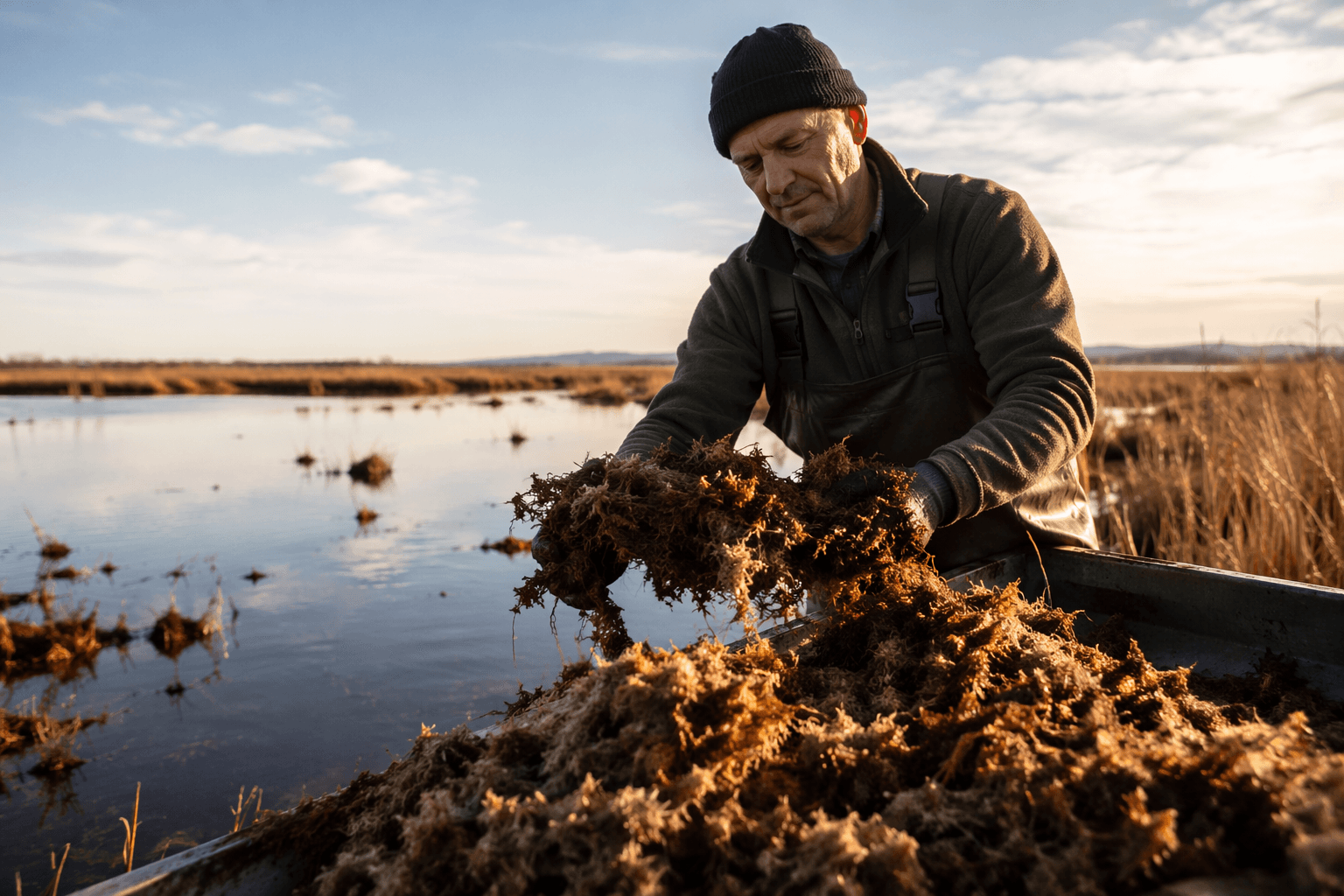
BioPuff is a plant-based, cruelty-free insulation made from fibres extracted from wetland plants grown on regenerated or rewetted wetlands. Ponda says the process requires no chemical processing beyond mechanical extraction, and positions the material as an alternative to goose down and synthetic fills. The distinction matters: this is not just a story about swapping one puffed jacket ingredient for another, but about building a material stream whose value is tied to restoring damaged peatland.
Why the wetland question is the real fashion story
The environmental logic behind Ponda is anchored in peat. Drained peatlands are cited as emitting roughly 1.9 to 2 gigatonnes of carbon dioxide annually worldwide, a scale of damage that makes wetland rewetting look less like niche conservation and more like industrial climate repair. Bioenergy International notes that wetlands store more than twice the carbon of all the world’s trees combined, which is the kind of statistic that changes how you think about a field, a reed bed or a marsh.
Ponda’s model is built around paludiculture, the cultivation of crops on rewetted peatlands. In practice, that means treating a wetland not as lost agricultural ground, but as a productive landscape that can support biomass, reduce emissions, improve biodiversity and create farmer livelihoods. Ponda has worked through programmes including Palus Demos, PaluWise and the UK government-backed Paludiculture Exploration Fund, alongside landowners, farming operators, Lancashire Wildlife Trust, Manchester Metropolitan University and Liverpool John Moores University. The company’s argument is straightforward: if land can earn while it heals, restoration stops being a grant-dependent gesture and becomes part of supply planning.
From concept piece to commercial credibility
Fashion loves a compelling prototype, but materials earn their place only when they survive contact with actual garments. Ponda has already shown BioPuff in collaboration with Stella McCartney and Berghaus, and Imperial College London says the company has also worked with Parley for the Oceans and Sheep Inc. Those partnerships matter because they move BioPuff out of the lab and into the kind of outerwear and performance contexts where insulation has to prove itself, not just photograph well.
Julian Ellis-Brown, Ponda’s CEO and co-founder, has said the company is aiming for goose-down-level thermal performance, and Imperial’s coverage says BioPuff offers equivalent thermal properties while being significantly cheaper. That is the sort of combination fashion buyers actually listen to, because the case for replacement gets much stronger when performance and cost stop pulling in opposite directions. Ponda is not only thinking about jackets either. Pilot-scale processing in Bristol allows the team to prototype sleeping bags, soft toys, upholstery and bedding, which broadens the material’s relevance beyond a single category and makes the economics of scale more interesting.
The numbers behind the scale play
Ponda’s 2025 seed round brought in $2.4 million and lifted total funding to $6.5 million, with the round co-led by Faber Ventures and Counteract and supported by PDS Ventures, Evenlode Impact and the Royal College of Art. The company says the money is meant to expand production capacity, grow its European wetland farming network and commercialise BioPuff for Fall 2026 or Autumn/Winter 2026 collections. That timeline is important because it signals a move from demonstration to purchase orders, the point where many promising materials either harden into a supply chain or stall as pilot lore.
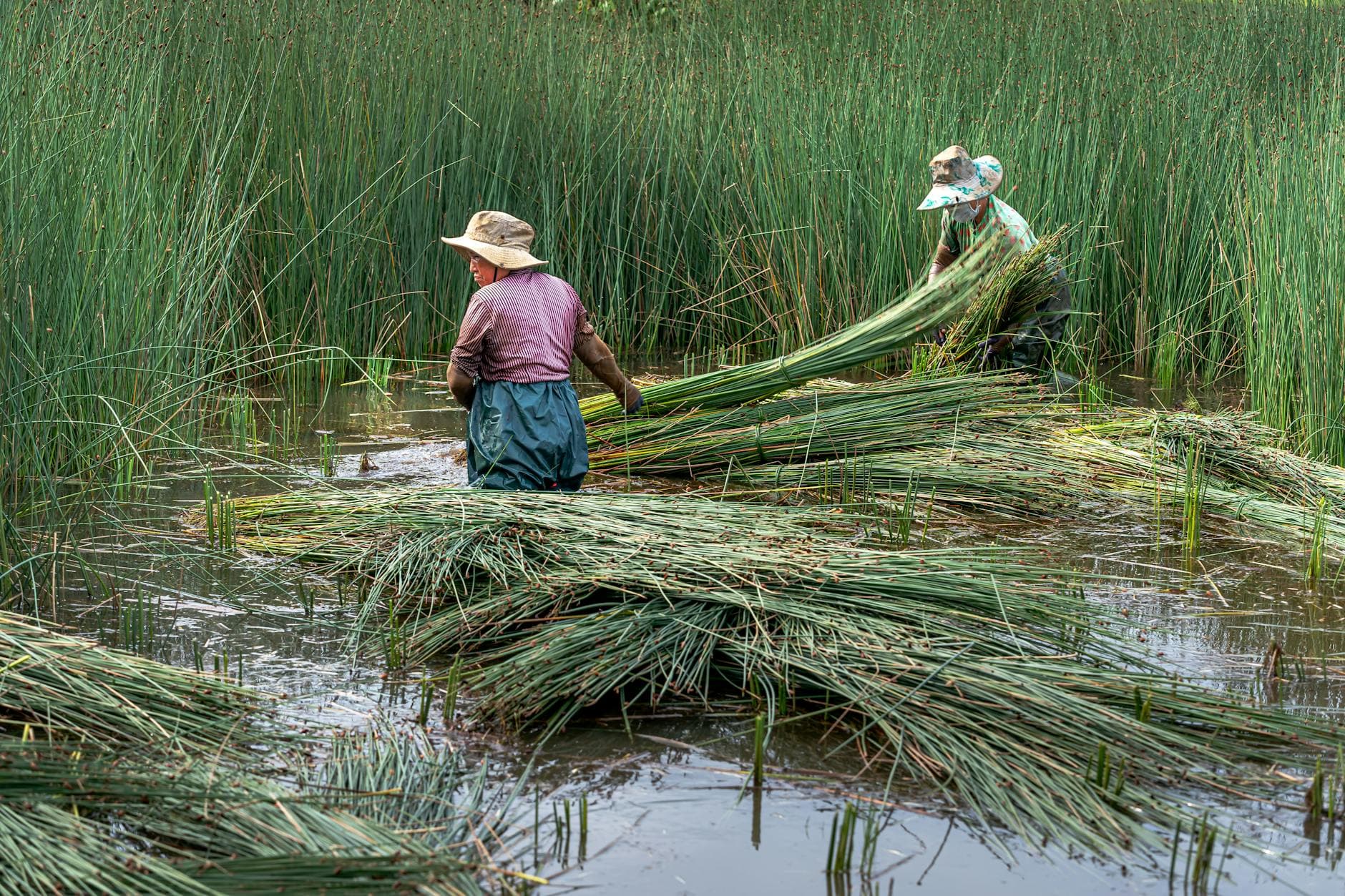
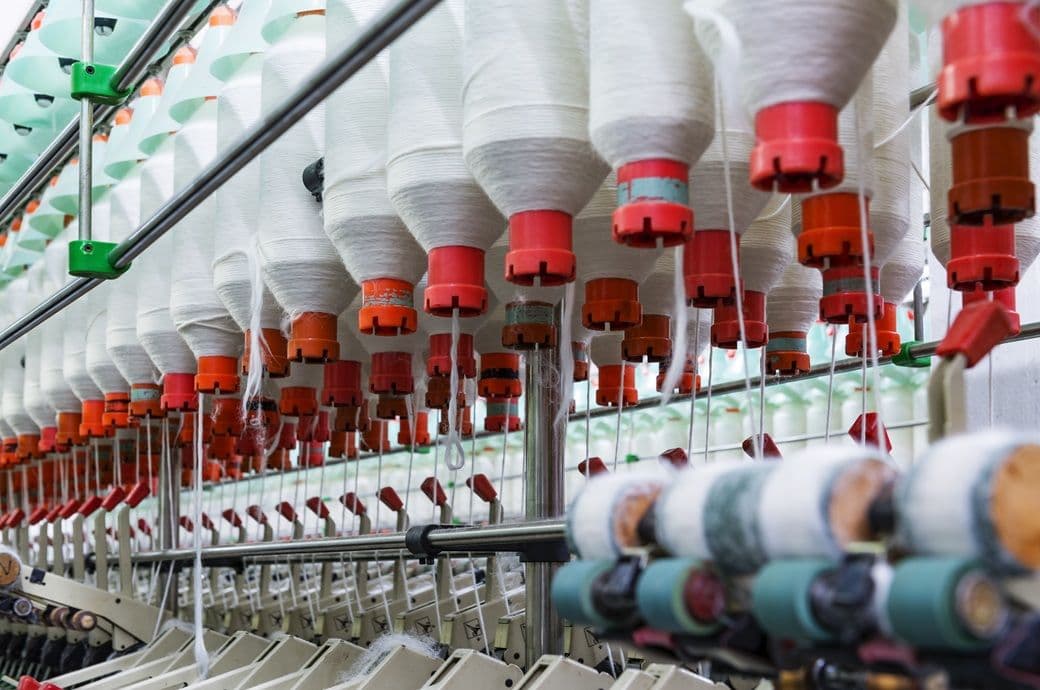
The company’s own production figures show why scaling is still the hard part. In its 2025 profile, Ponda said that 10 tons of crops produced 3 tons of end product, and that manufacturing capacity could reach 400 tons annually, enough for about 1.25 million jackets if supplied by roughly 1,500 hectares of rewetted Typha latifolia growth. Those are not decorative numbers. They reveal the acreage, crop selection and processing throughput needed for a serious fashion-material business, which is exactly where many lower-impact fibres falter.
By May 2026, Bioenergy International reported that Ponda was using a crowdfunding campaign to support the next stage of manufacturing, operational capacity and market readiness. That detail underlines the central tension in regenerative materials: proving the chemistry is not the same as building the farms, machinery and buyer commitments that make the chemistry repeatable at scale.
What brands should take from Ponda’s model
Ponda is best understood as a test case for whether fashion can buy into land restoration without treating it as charity. The model only works if brands, suppliers and apparel makers are willing to think like supply-chain planners, not just sustainability marketers. They need acreage, farmer economics, harvesting systems, processing capacity and long-term demand, because a material that depends on rewetted wetlands cannot be scaled by mood alone.
That is why BioPuff feels strategically sharper than many next-gen material launches. It connects insulation demand to a tangible land-use intervention, and it does so with a pathway that already includes credible partners, active fieldwork and a defined commercialization window. If Ponda can keep converting wetland regeneration into material output, it may offer one of the clearest blueprints yet for how lower-impact fashion materials move from promising prototype to repeatable industrial supply.
Know something we missed? Have a correction or additional information?
Submit a Tip