Primark, H&M and Zalando back tax reforms for resale, repair
Primark, H&M Group and Zalando joined 69 fashion and textile organisations pushing tax changes that could lift resale margins to 55% and repair to 41%.
The fight over fashion’s circular future has shifted from mood boards to tax codes. Primark, H&M Group and Zalando joined 69 fashion and textile organisations backing reforms that would make resale and repair commercially attractive enough to scale, a blunt acknowledgment that the current system still rewards the sale of virgin product over keeping a hem, zipper or coat in use.
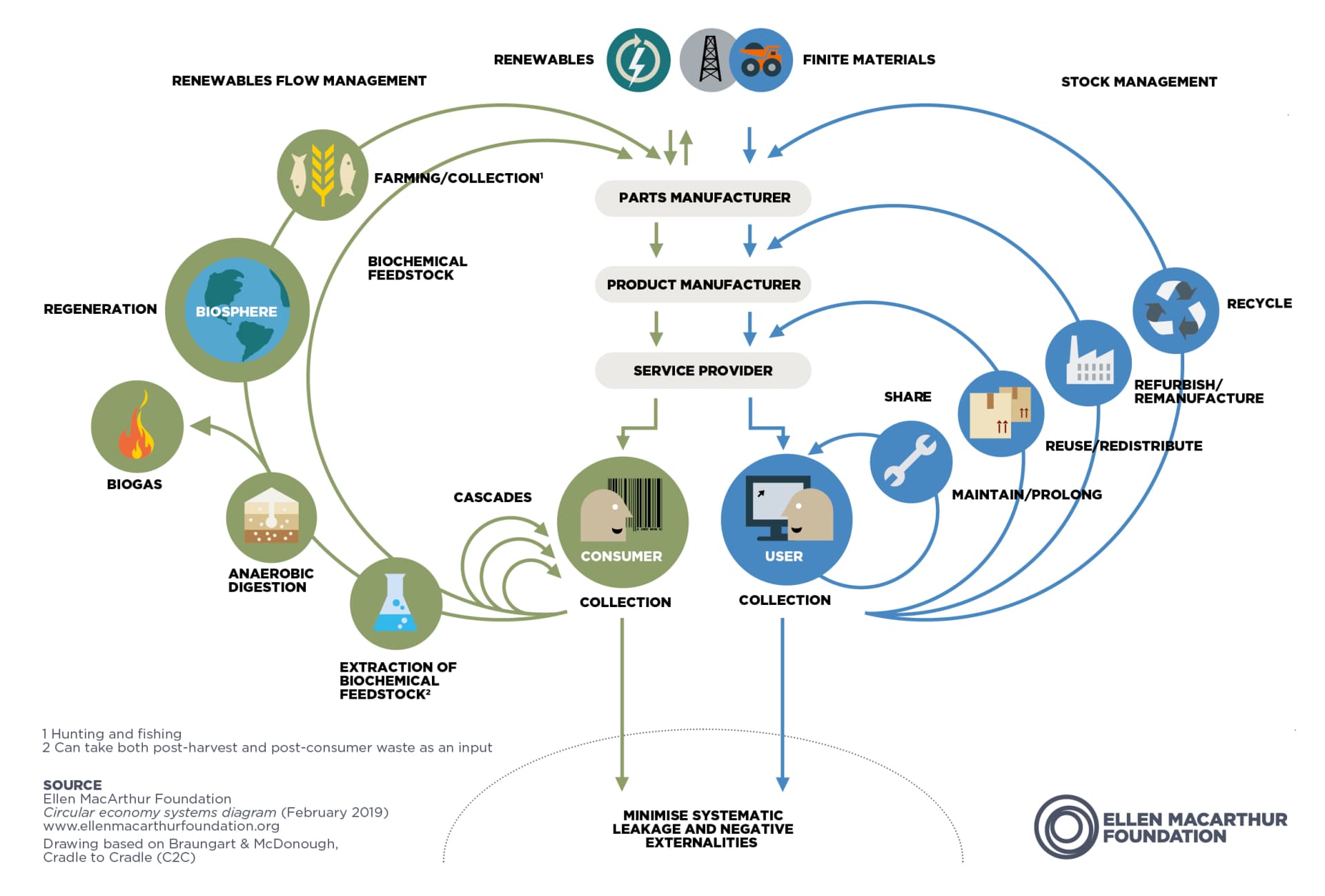
The Ellen MacArthur Foundation published the statement and accompanying report on 21 May 2026, setting out a policy playbook for the European Union, the United States and Canada. Its central argument is clear: second-hand and repair should not be treated like side hustles for conscientious shoppers, but as serious business models with the same access to margin, labour and infrastructure as new goods. The report says targeted policy changes could lift gross profit margins to as much as 55% for resale and 41% for repair, while the resale market is projected to reach $393 billion by 2030.
The ask is specific. In the EU, the coalition wants reduced VAT on resold products and repair services, plus lower labour taxes for businesses creating jobs in resale and repair. In North America, it wants sales tax removed on those same services and tax credits for circular employers. It also calls for extended producer responsibility, or EPR, to help pay for the collection and sorting systems needed to handle clothing at scale rather than leaving it to a patchwork of charity bins, exporters and informal resale channels.
That policy framing lands squarely inside the European Commission’s own Strategy for Sustainable and Circular Textiles, which says textile products should be durable, repairable and recyclable, and that profitable re-use and repair services should be widely available by 2030. The commercial gap is hard to miss. The European Environment Agency says used textile exports from the EU tripled from just over 550,000 tonnes in 2000 to almost 1.7 million tonnes in 2019, a number that reads like a warning about how much clothing still leaks out of the system instead of circulating back through it.
The names behind the statement matter because they are the ones who already know how thin the economics can be. H&M Group chief sustainability officer Leyla Ertur said resale is economically penalised today, while Vinted senior director of sustainability Marianne Gybels argued that second-hand is already part of everyday life in Europe and should be allowed to scale further. With Arc’teryx, Etsy, Decathlon, Lacoste, Reformation, ThredUp and Vestiaire Collective also among the signatories, the message from the industry is unmistakable: if governments want circular fashion to grow beyond boutique scale, they must stop taxing repair like an inconvenience and resale like a concession.
Know something we missed? Have a correction or additional information?
Submit a Tip