Renewable power could secure Cambodia’s garment jobs, report says
Verified clean power could keep nearly one million garment jobs in Cambodia, where the sector still drives more than half of exports.

Cambodia is becoming a live test case for whether decarbonisation can protect garment jobs instead of putting them at risk. An EnergyLab Asia policy brief argues that faster deployment of verified renewable electricity could help the country’s factories win low-carbon sourcing status while safeguarding close to one million apparel jobs, a proposition with immediate stakes for buyers, mill owners and the women who make up most of the workforce.
The scale of what is at stake is hard to overstate. Better Factories Cambodia said the garment, footwear and travel goods sector comprised 1,810 firms in 2025 and employed more than 1.11 million workers, about 75% of them women. The same sector accounted for 51.8% of Cambodia’s total exports, and Better Work said garments, footwear and travel goods remain the country’s largest source of foreign exchange. In 2024, exports from the sector totalled US$13.6 billion, with ready-made garments making up more than 70% of that total.
EnergyLab Asia has spent months pushing the case for cleaner power as a business strategy, not a feel-good add-on. On 25 November 2025, it presented initial findings on renewable energy for Cambodia’s garment industry to the Ministry of Industry, Science, Technology & Innovation in Phnom Penh. Later, at Clean Energy Week 2025, the group outlined the electricity needed to shift the sector toward Tier 2 manufacturing and the barriers and solutions to building a 100% renewable electric garment base.
The operational question is brutally practical: who pays, and through which mechanism. EnergyLab Asia says an energy attribute scheme is crucial if factories are to source renewable electricity through power purchase agreements, utility purchases, unbundled certificates or direct self-generation. That matters for export competitiveness because global brands are tightening scrutiny on carbon footprints while still leaning on Cambodia for speed, scale and price. Better Work said the United States has been Cambodia’s main GFT export market, making market access and buyer confidence especially valuable.
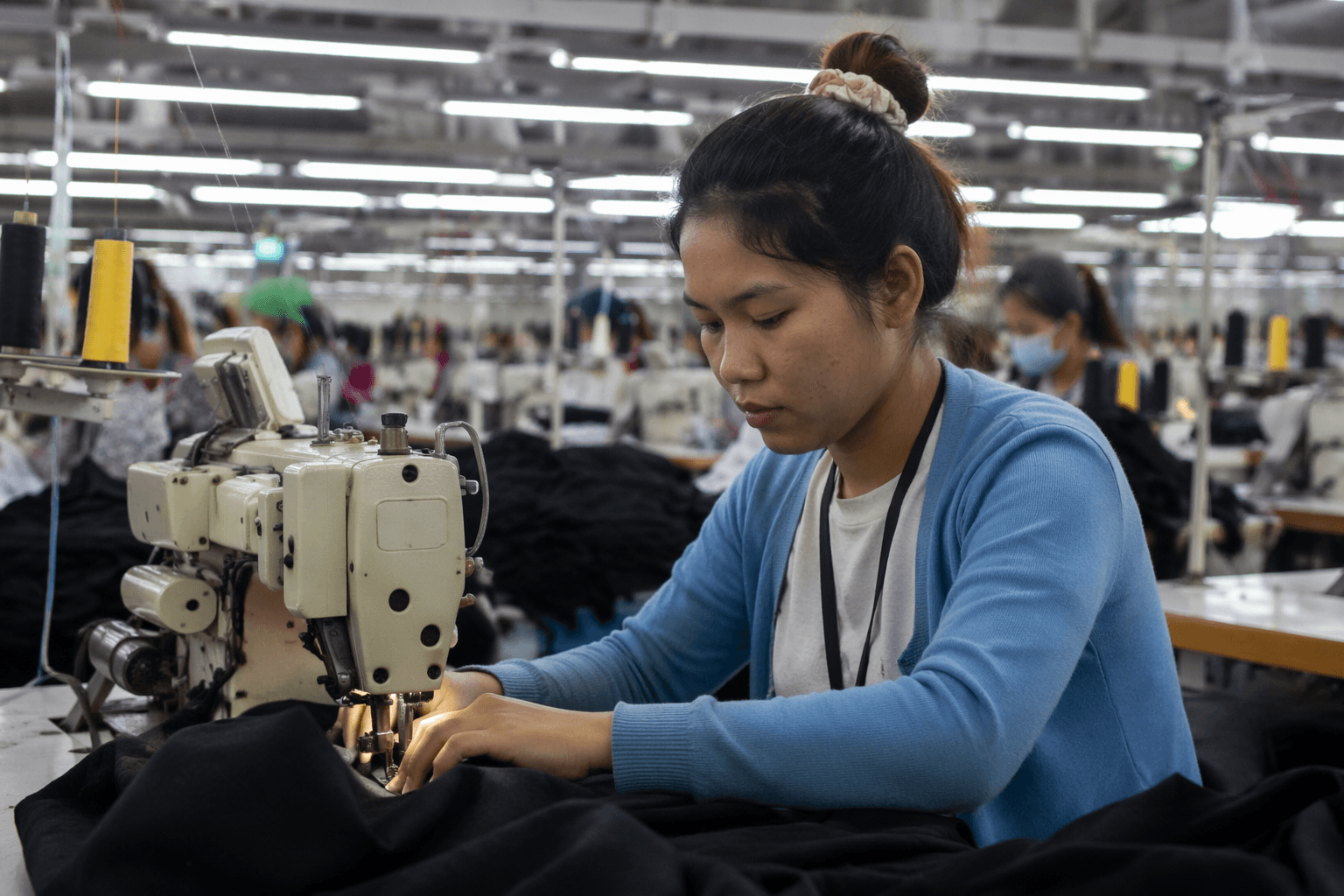
The push also lands in a sector already negotiating the human cost of climate pressure. Research reported this year found Cambodian garment workers are facing increasing heat stress linked to climate change, turning factory heat into a labour issue as much as an environmental one. At the same time, an ACT agreement involving brands, suppliers and unions was described as a historic leap forward on wages and working conditions, underscoring how much coordination the sector can muster when its future is on the line.
If verified renewable power stalls, Cambodia risks being boxed into a higher-carbon, lower-advantage production model just as buyers and competitors move faster. If it advances, the country could keep the lines running, preserve export momentum and prove that cleaner energy can be stitched into the fabric of garment manufacturing without unraveling jobs.
This article was produced by Prism’s automated news system from verified source data, official records, and press releases, then run through automated quality and moderation checks before publishing. The system is built and supervised by the people who set the standards it runs under. Read our full AI policy.
Know something we missed? Have a correction or additional information?
Submit a Tip