Scientists develop one-step dye for antimicrobial polyester-cotton blends
A new nano-disperse reactive dye could tint polyester-cotton blends and deliver antimicrobial performance in one step, cutting water, chemicals and energy.
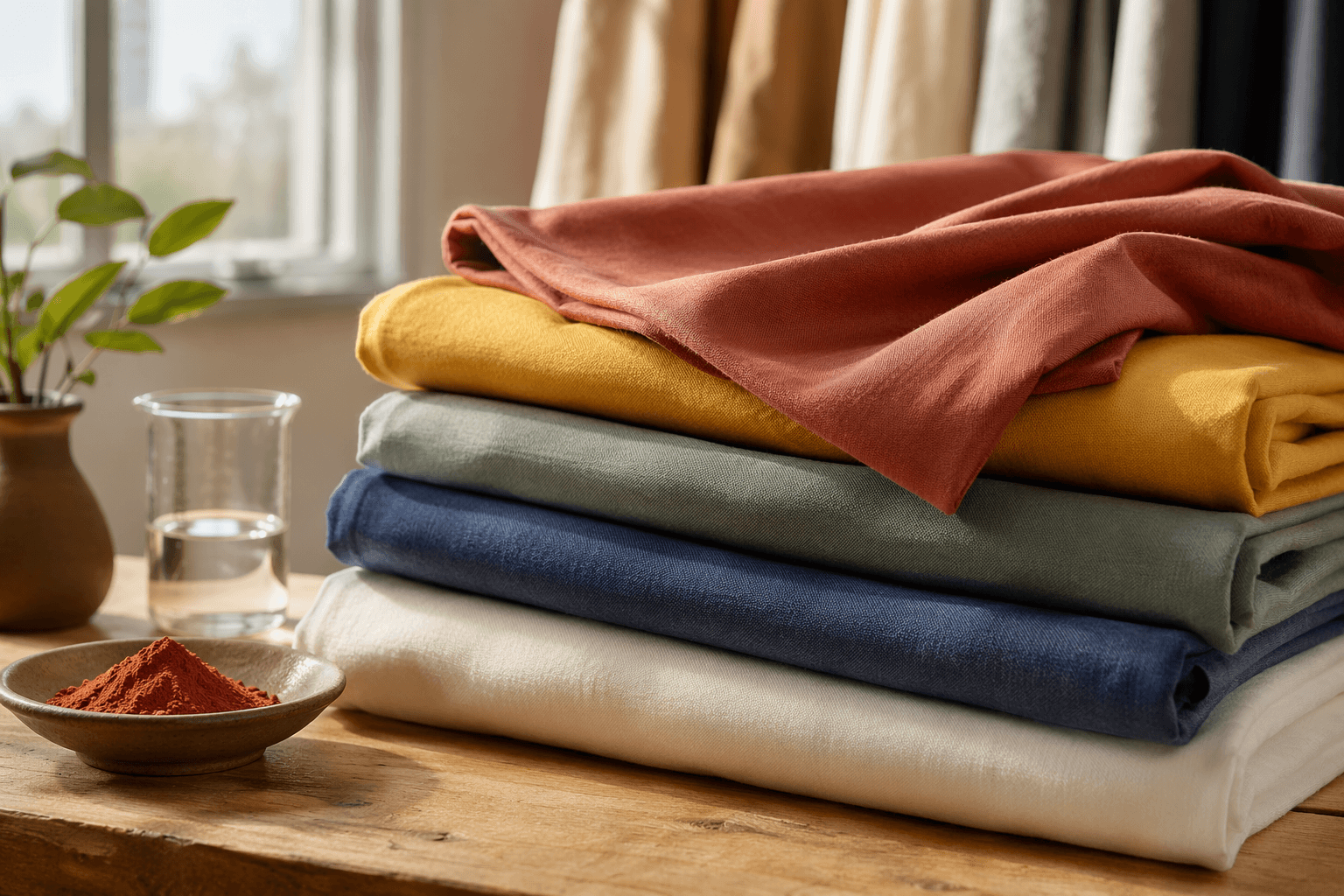
A new class of nano-disperse reactive dyes is trying to do what textile mills usually split into two passes: lay down rich color on polyester-cotton blends and add antimicrobial performance at the same time. The appeal is obvious for sportswear, workwear and healthcare fabrics, where every extra bath, rinse and finish adds cost, time and resource use to a process that is already hungry for water and energy.
What makes this work more than a laboratory flourish is the way it reframes finishing. Instead of applying antimicrobial effects as a topical coat or additive after dyeing, the new chemistry builds that function into the dye itself. The result, researchers say, is deep shade together with measurable antimicrobial action on polyester-cotton blends, a combination that could simplify production if it proves durable at scale.
The promise matters because conventional dyeing of polyester-cotton fabrics is notoriously heavy-handed. A 2021 review said traditional water-medium dyeing uses more water and energy and creates serious environmental pollution compared with one-bath dyeing of a single-component fiber. A 2025 Scientific Reports paper went further, saying a sustainable reactive dyeing method for polyester-cotton blends can markedly decrease water, chemical and energy use. In other words, the real test is not whether the dye can do more on paper, but whether it lets mills do less in practice.
Scientific Reports-linked work on novel nano-disperse reactive dyes suggests the field is moving in that direction. One study examined pure, blend and modified fabrics and found that a vinyl sulfone dye produced the highest fixation on tested fabrics, with K/S values ranging from 12.17 to 50.85. The same research reported broad-spectrum antimicrobial activity against Staphylococcus haemolyticus, MRSA, Klebsiella pneumoniae and Candida albicans. That is the kind of data that catches the industry’s attention, because it points to both color control and biological performance in the same material system.
Still, the chemistry cannot be judged only by its versatility. Antimicrobial textiles are being developed for demanding uses, and the World Health Organization warns that antimicrobial resistance makes infections harder to treat and increases the risk of disease spread, severe illness and death. A PubMed review also notes that antimicrobial finishes for textiles, including antibacterial, antimicrobial and antiviral technologies, are a major area of development. The fashion and textiles sector now has to ask a sharper question: if a single dye step truly reduces water, chemicals and energy, it is progress. If it only adds another marketable feature, the sustainability case gets a lot thinner.
This article was produced by Prism’s automated news system from verified source data, official records, and press releases, then run through automated quality and moderation checks before publishing. The system is built and supervised by the people who set the standards it runs under. Read our full AI policy.
Know something we missed? Have a correction or additional information?
Submit a Tip

