Slow fashion returns from British farms to Soho studios
British wool, Harris Tweed and Soho studios are rebuilding a supply chain that starts on the farm and ends in cloth with real traceability.
The point of the return
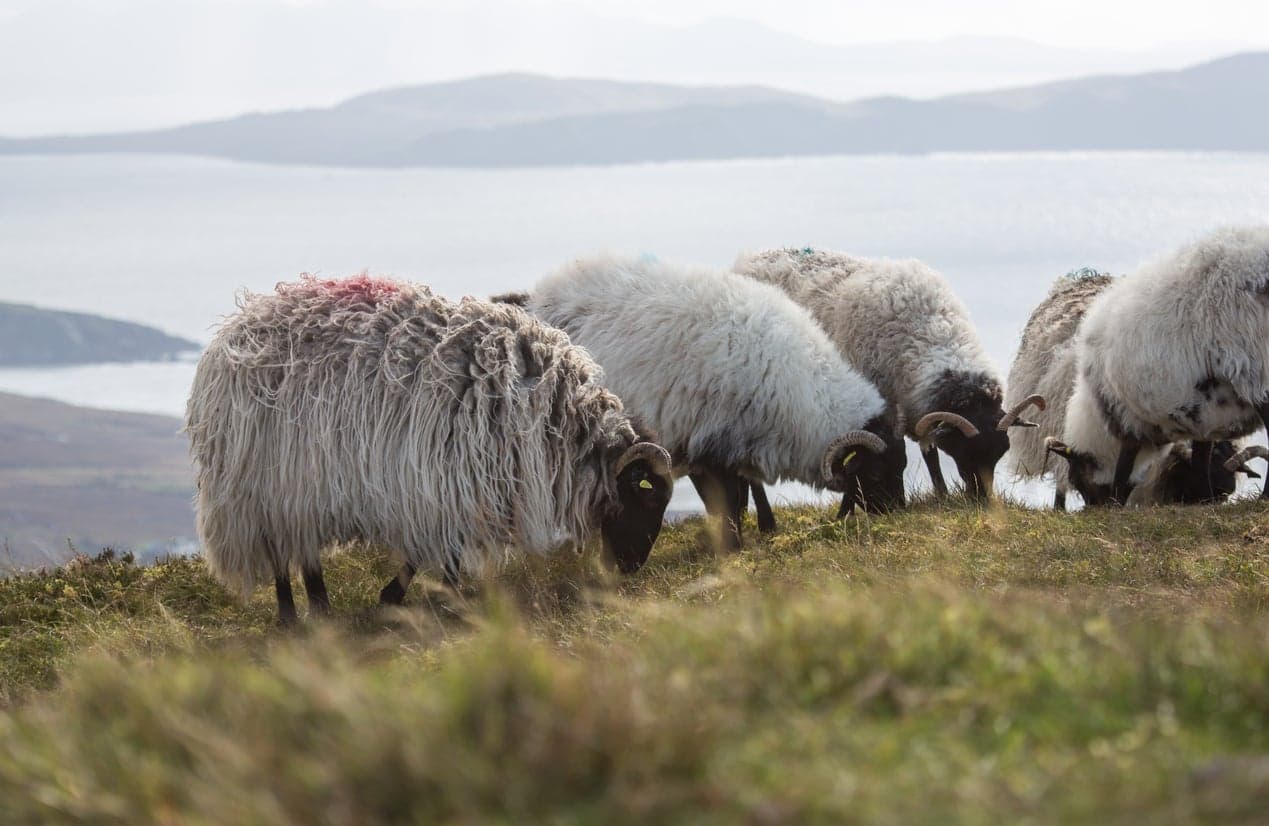
The most compelling thing about Britain’s slow-fashion revival is not its nostalgia, but its logistics. From the sheep farms of Dumfriesshire and the Outer Hebrides to the cutting tables of Soho, a small but serious group of designers is rebuilding clothing as a farm-to-fabric system, where provenance is visible, texture matters, and the distance between maker and wearer shrinks.
That matters because fashion’s footprint is no longer abstract. Earth Day says the apparel industry accounts for 4% of global greenhouse-gas emissions. UNEP says people are buying 60% more clothes than they did 15 years ago, while wearing them for half as long. It also estimates that 92 million tonnes of textile waste are generated every year, the equivalent of a garbage truck full of clothing being burned or dumped into landfill every second. In that context, the appeal of slow fashion is not simply that it looks thoughtful. It is that it offers a different operating system.
Why farm-to-fabric changes the business
A farm-to-fabric model changes more than the mood of a collection. It changes lead time, cost structure, traceability and resilience. When wool is sourced, sorted, processed and woven within a connected British network, a brand can see where the fiber begins, who handled it, and how much value stayed in the chain before the cloth ever reaches a studio floor.
British Wool sits at the center of that model. Its purpose is to drive sustainable demand for British wool and maximise returns for members, and the numbers show how much machinery sits behind that promise. The 2024 clip year ran from 1 May 2024 to 30 April 2025. In that period, British Wool reported 19,290,044 kg sold at an average price of 99.5p per kg, with an average return to producers of 41.1p per kg and marketing costs of £9.1 million. Those figures make clear that slow fashion is not a sentimental side project. It is an economic system, complete with margins, infrastructure and the hard question of whether the price paid for sustainability actually reaches the farm.
Jim Robertson embodies that tension. As British Wool’s chairman, he farms in Dumfriesshire and runs more than 1,700 acres with a flock of 950 South Country Cheviots and 50 Texels, along with 100 Galloway cows. He is a farmer-chairman, but also a practical advocate for reconnecting fashion to British farming and craft traditions. That combination matters, because the success of any domestic textile revival depends on whether the people growing the fiber can still make a living from it.
Harris Tweed is the movement’s strongest proof point
No fabric makes the case for place-based luxury more forcefully than Harris Tweed. Protected by the Harris Tweed Act 1993, it must be made in the Outer Hebrides from 100% pure new wool, and it is handwoven in weavers’ homes. That legal architecture gives the cloth something most fashion products lack: enforceable origin.
Harris Tweed Hebrides says it works with approximately 120 weavers across Lewis and Harris, and it describes its Shawbost mill as a 100-year-old mill. That combination of domestic weaving, regional processing and legal protection makes Harris Tweed unusually legible as a supply chain. You can trace it not only to a place, but to a culture of making that has survived because the product still has a market.
For luxury fashion, that is the real lesson. A single-country-of-origin supply chain does not just look good on a hangtag. It reduces the distance between raw material and finished cloth, which can tighten quality control, sharpen accountability and create a clearer story for the customer. It also slows production in a way that can be expensive, which is exactly why the model remains a test of priorities rather than a universal fix.
The new designers are treating cloth as a system, not a surface
The Independent’s portrait of the movement stretches from the Outer Hebrides to Soho, but its energy is in the middle ground: young designers using long-forgotten textile techniques and smaller, more connected production models to make clothes with tactile authority. The clothes are not trying to imitate industrial scale. They are leaning into the grain of the material, the irregularity of handwork and the visible intelligence of making.
Among the names orbiting this space are Caroline Garland, Berni Yates, Luke Hemingway, Oliver Roberts and Paris Ryan, designers whose work belongs to a broader shift in taste. The new desirable object is not the most polished item in the room. It is the one whose structure tells you where it came from, who touched it and why the texture feels different from something spun, dyed and assembled by anonymous global steps.
That shift is also visible in the language of the garments themselves. A wool jacket built on regional processing has a different hand from a synthetic blend. A handwoven length of Harris Tweed carries more than pattern, it carries density, weather resistance and a sense of permanence that fast fashion rarely earns. In the best examples, the cloth feels not merely rustic but considered, with a weight that flatters tailoring and a surface that rewards close looking.
Education is becoming part of the supply chain
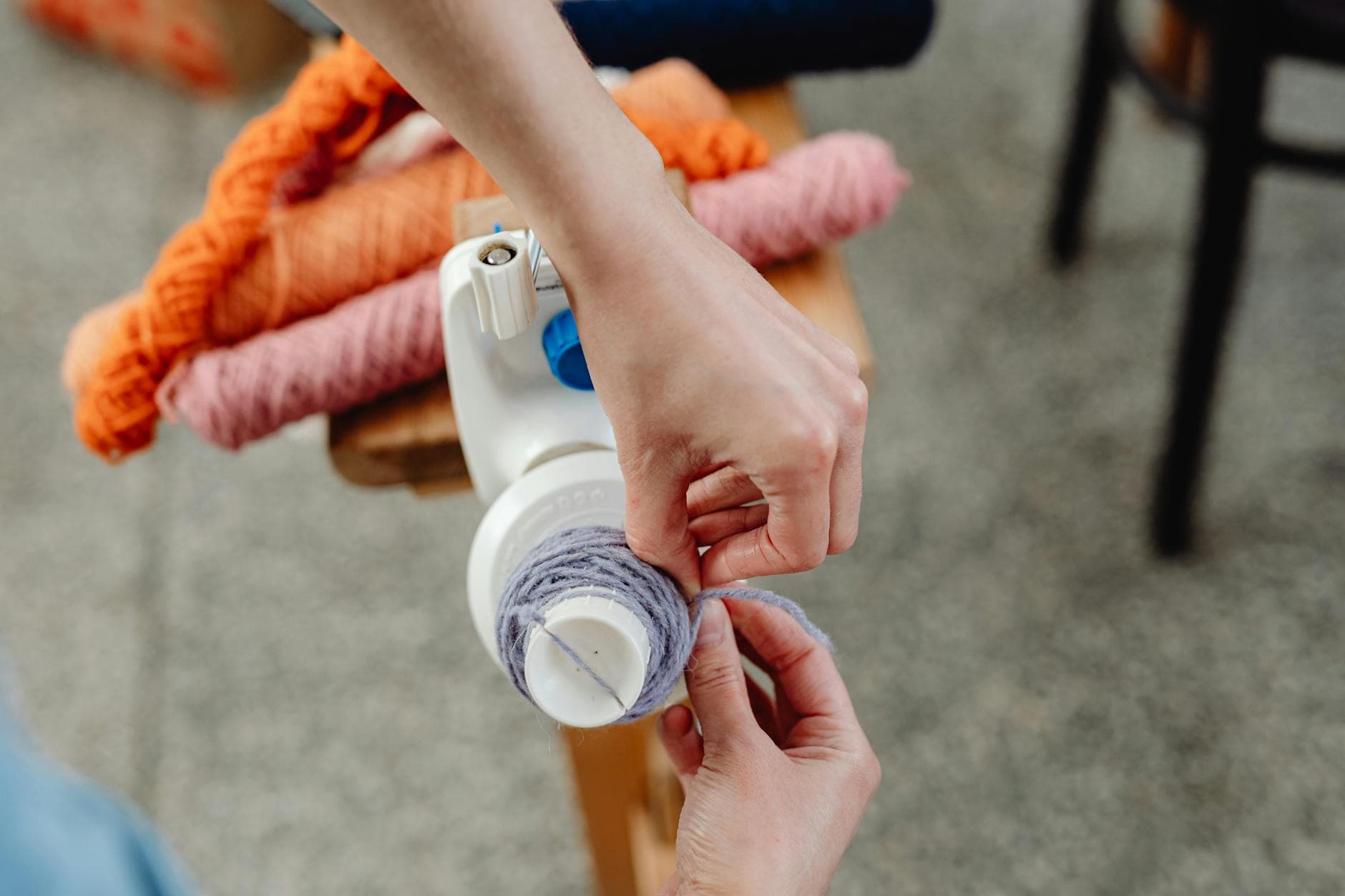
The movement will only last if it produces new makers, not just new buyers. Central Saint Martins’ Makers Camp is helping do that by pushing students to rethink how clothing gets made, while student work such as It’s Still There examines British Wool’s infrastructure and the surviving skills and stories behind domestic textile production.
That educational piece matters because craft systems do not survive on reverence alone. They need people who can spin, weave, pattern-cut, finish and market the product in a way that makes economic sense. When students are taught to see the chain from fleece to finished garment, they are not just learning history. They are learning how a local textile economy can still function in a market dominated by speed and volume.
Can tiny operations scale beyond symbolism?
This is where the conversation becomes sharper. Small operations can offer traceability, regional resilience and a far cleaner narrative of responsibility. They can shorten lead times by reducing the number of anonymous intermediaries, and they can protect value by keeping more of the process closer to the source. They can also make the emotional case for buying less, but better, with garments that feel like investments rather than disposables.
Yet the scale question remains unavoidable. British wool clip figures, a 120-weaver network and a century-old mill are powerful proof that domestic production can survive and even thrive in niche luxury. They are not proof that the model can replace global fashion production. What they do offer is something more valuable than nostalgia: a working blueprint for how sustainable luxury can be built around provenance, skill and resilience rather than endless throughput.
The return from British farms to Soho studios is therefore not a retreat into the past. It is a reminder that fashion becomes more credible when the fiber, the labor and the final silhouette can all be traced in the same story.
This article was produced by Prism’s automated news system from verified source data, official records, and press releases, then run through automated quality and moderation checks before publishing. The system is built and supervised by the people who set the standards it runs under. Read our full AI policy.
Did this article answer your question?


