Sustainable dress shoes for work, built to last longer
Formal shoes are one of menswear’s hardest sustainability tests, and the best pair is the one you can repair, not replace.
The new standard for dress shoes
Formal footwear is where sustainability gets brutally practical. A polished shoe has to survive boardrooms, weddings, and the kind of hallway miles no one talks about, which is why Good On You’s guide to more sustainable men’s dress shoes lands on the most useful question: what will still look sharp after repeated wear, not just one good night out?
That matters because footwear is one of fashion’s trickiest circularity problems. The Ellen MacArthur Foundation says circular fashion is built on three principles, driven by design: eliminate waste and pollution, circulate products and materials at their highest value, and regenerate nature. It also says that every second, the equivalent of a rubbish truckload of clothes is burnt or buried in landfill, a reminder that durability is not a mood, it is the point.
What counts as genuinely more responsible
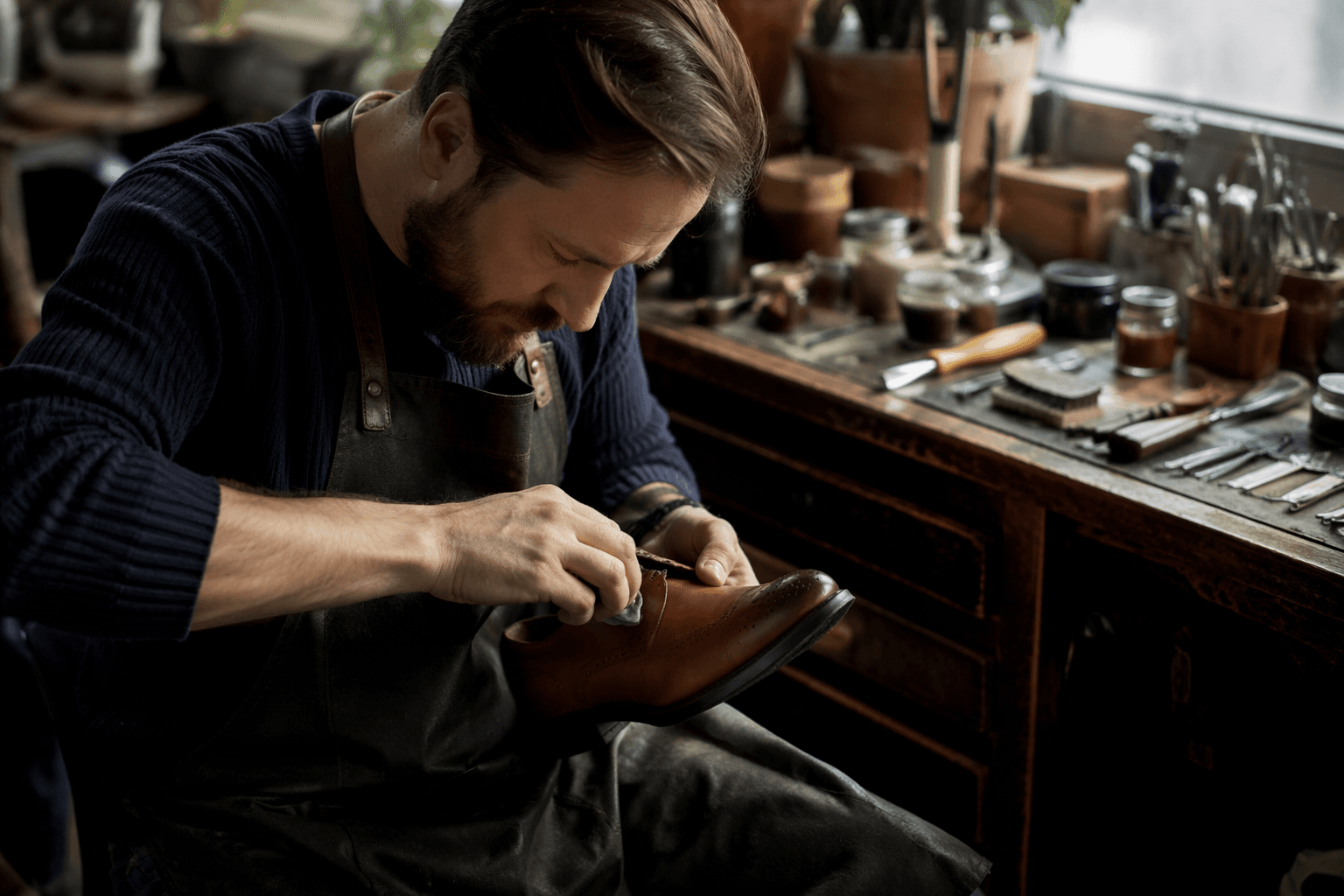
The first filter is longevity. A more responsible dress shoe is one you can keep in rotation, care for, and repair rather than discard when the sole thins or the finish dulls. Good On You is blunt about the payoff: investing in high-quality shoes and repairing them when needed is more sustainable, and it can save money over time.
The second filter is repairability. WRAP frames repair and reuse as life-extension strategies, and that is exactly how formal shoes should be judged. If a pair is designed to be resoled, refreshed, and worn again through office seasons and formal invitations, it has a far better sustainability case than a prettier shoe that fails early and heads straight to waste.
The third filter is whether a premium price is doing real work. A higher price only counts if it buys better materials, better construction, and a longer service life. “Classic” is not the same as responsible, and “premium” is not the same as durable unless the shoe can justify itself in wear, maintenance, and repair.
Leather is still the central trade-off
Leather remains a serious option because it can age well, but it is not automatically the clean answer shoppers sometimes assume. The Leather Working Group says its environmental life-cycle assessment covers leather used in footwear, which reflects how closely the material continues to be scrutinized from raw-material sourcing through finished manufacturing.
Leather alternatives deserve equal skepticism. Good On You notes that many of them still rely on plastic or fossil-fuel-derived materials for durability, coatings, or bonding, which means a shoe can be marketed as plant-based while still carrying microplastic and end-of-life problems. Piñatex, for example, is a coated pineapple leaf-based material used for shoes, bags, and outerwear, but even that needs to be judged for durability and plastic content before it earns a place in a responsible wardrobe.
How to read the silhouette
Derby shoes
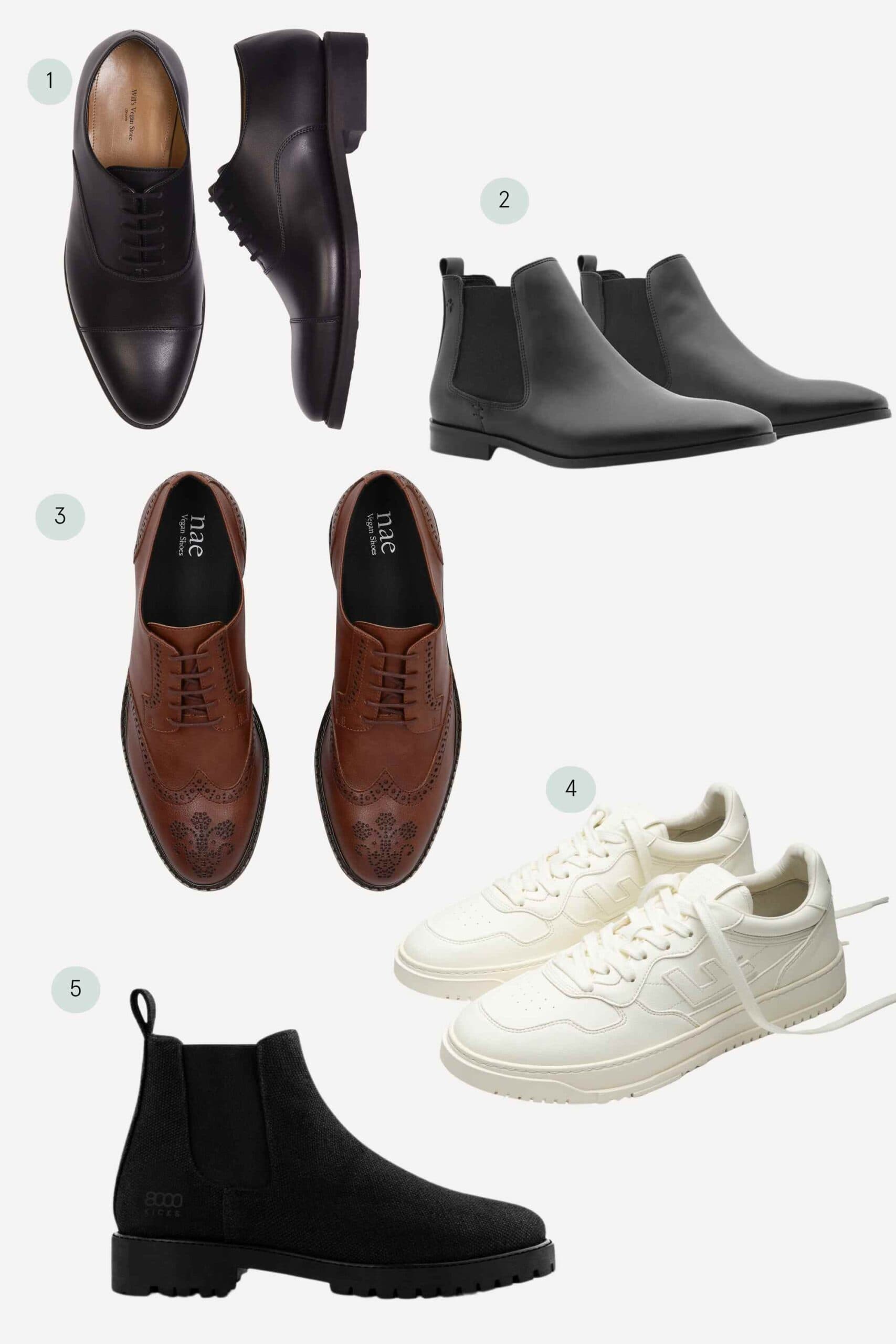
Derbies are the most forgiving place to start because they can bridge office dressing and formal events without feeling stiff. Good On You includes them in its edit, and that makes sense: the open-lacing profile reads polished but not severe, which helps when you want one pair to do more than one job.
For sustainability, the question is not just how they look with tailoring, but how long they keep looking composed. Choose the pair you can imagine polishing, re-lacing, and repairing, because a Derby that survives season after season is a better buy than a more delicate option you save for rare occasions.
Oxfords
Oxfords remain the sharpest formal shape in the lineup, which is why they are still the default for the most conservative dress codes. Good On You’s guide includes them for exactly that reason: they are the shoe you reach for when the suit needs a cleaner edge.
The sustainability test is brutal here. If you wear Oxfords only a handful of times a year, the material and labor behind them have to work harder to justify themselves, so the more responsible pair is the one built for repeated use, not just the dress code fantasy.
Boots
Boots are the smartest compromise when you need polish and resilience in the same shoe. They work especially well if your work life includes commuting, bad weather, or long days that chew through more delicate footwear, and Good On You includes them because dress shoes do not have to mean fragile shoes.
From a buyer’s point of view, boots often offer more mileage for the money because they can move between office, event, and travel wardrobes. That versatility matters in a sustainability guide, because the best carbon logic is often the pair that gets worn most.
Sneaker-style options
Sneaker-style dress shoes make sense only when the office allows them and the construction is serious enough to hold its shape. They can be useful for long days on your feet, but they can also become the fastest route to disposable fashion if they are built from fragile materials or trend-led finishes.
The circularity lens is especially useful here. The footwear industry’s linear take-make-waste model is deeply unsustainable, MIT News says, and shoe complexity is one of the biggest barriers to circularity at scale. So if a sneaker-style pair is meant to stand in for formal shoes, it should do real work, wear well, and avoid the cheap-looking shortcuts that shorten its life.
Why the industry is moving now
This is no longer just a consumer preference issue. Fashion for Good launched its Closing the Footwear Loop initiative in February 2025 with 14 leading fashion and footwear brands, a clear sign that the sector knows circularity is a shared problem, not a niche talking point. The Ellen MacArthur Foundation says circular business models such as rental, resale, repair, and remaking can extend the life of products and decouple revenue from raw material use, which is exactly the logic formal footwear needs.
The bigger challenge is measurement. MIT News summarized research showing that companies want to change, but there is little strategic alignment across the footwear industry and no common means of measuring progress. That is why standardized frameworks matter so much: the European Union’s Product Environmental Footprint Category Rules for Footwear are designed to compare environmental impact across the full life cycle of shoes and boots, with attention to material use, durability, repairability, and end-of-life treatment.
The buyer’s checklist that actually matters
A responsible dress shoe is not defined by a green label or a classic silhouette alone. It is defined by a credible combination of long wear, repair potential, material honesty, and a realistic plan for what happens after the first polish wears thin.
- Choose the pair you will wear often enough to justify its footprint.
- Favor shoes that can be repaired rather than replaced.
- Treat leather alternatives carefully, especially when plastic coatings or fossil-derived binders are involved.
- Look for brands that support longer use, because FDRA points shoppers toward environmentally preferred materials, factory waste-reduction programs, and other sustainability resources for the footwear trade.
That is the real shift in formal menswear: the most responsible shoe is the one that looks composed in the present and still has a future.
Know something we missed? Have a correction or additional information?
Submit a Tip