Sustainable fashion turns to regenerative materials to restore nature
Regenerative fashion is moving from mood board to farm gate, where soil health, traceability and farmer livelihoods now matter as much as handfeel.
Regeneration becomes fashion’s sharper brief
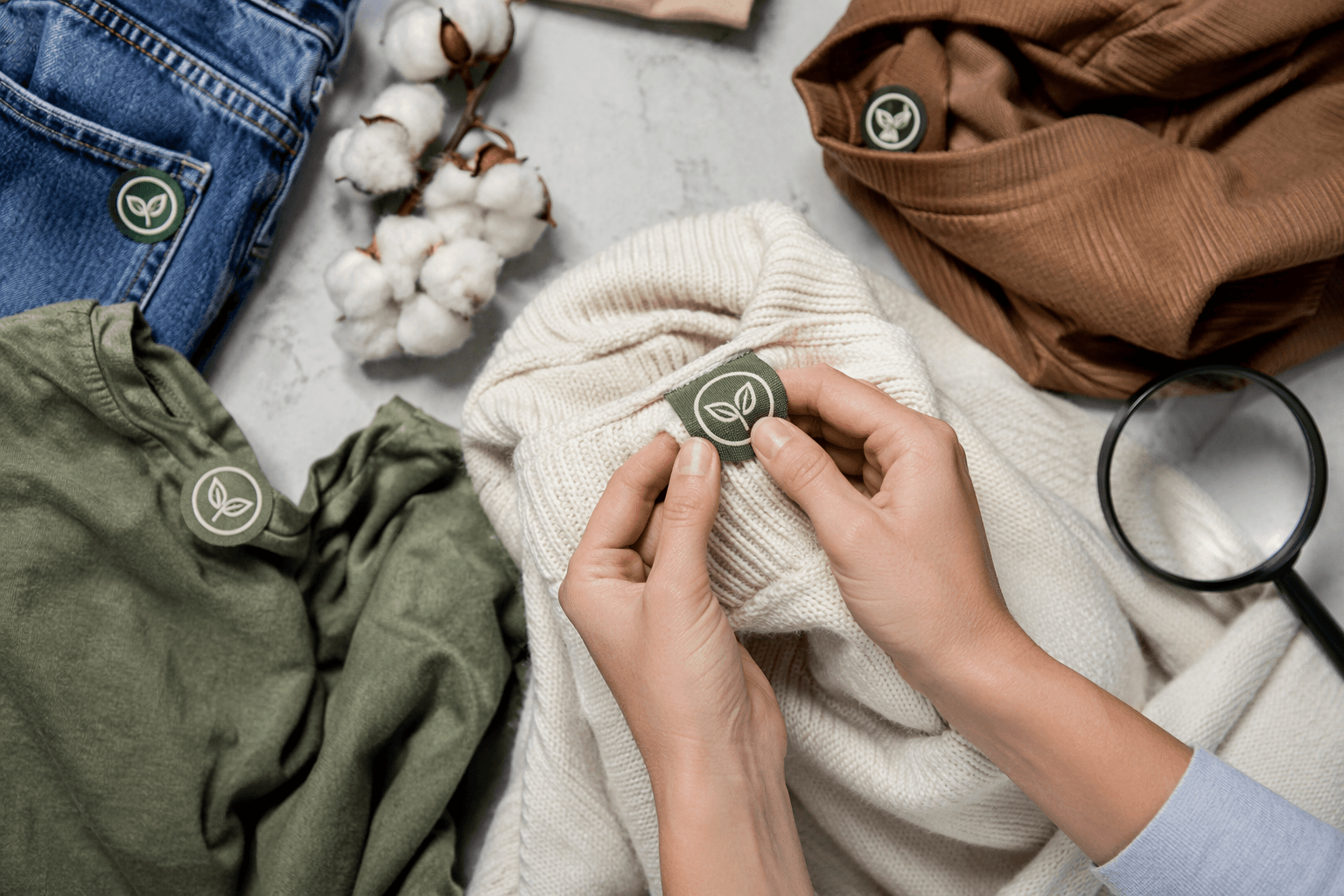
The most interesting shift in sustainable fashion right now is not a softer fabric or a greener hangtag. It is a change in ambition: clothing is being recast as part of a land-use system, one that can restore soil, support rural economies and, in the best cases, pull carbon back into the ground. That is a far more demanding proposition than simply making less damage, and it is why regenerative materials have become such a compelling part of the conversation around cotton, wool and the next wave of bio-based textiles.
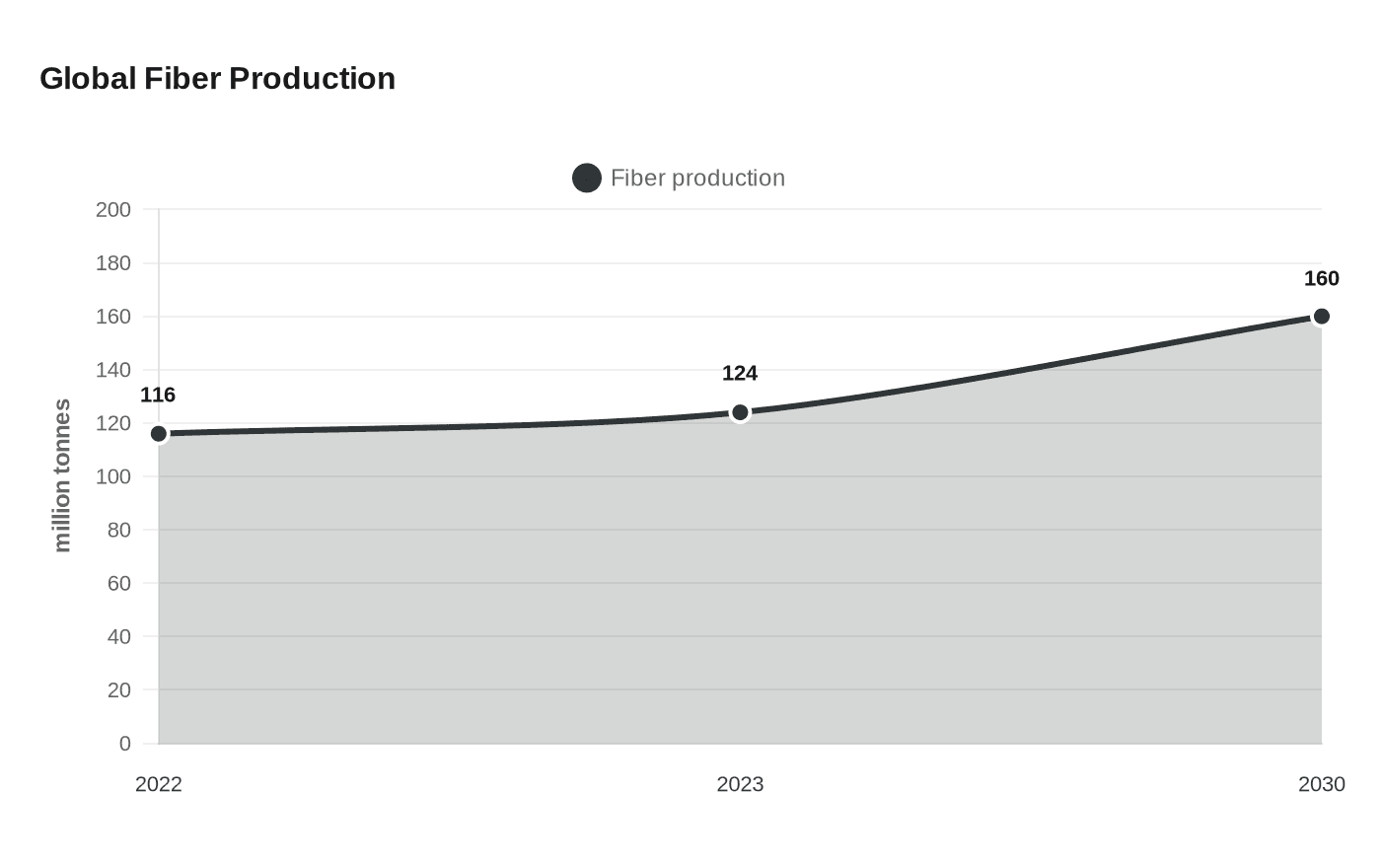
The scale of the problem explains the urgency. UNEP says the textile industry produces 2 to 8 percent of global greenhouse gas emissions, uses 215 trillion liters of water a year and is responsible for about 9 percent of microplastic pollution reaching the oceans annually. Textile Exchange adds another pressure point: global fiber production rose from 116 million tonnes in 2022 to 124 million tonnes in 2023, and could climb to 160 million tonnes by 2030 if current trends continue. In other words, the industry is not shrinking into sustainability. It has to reinvent how it sources at the same time as it keeps growing.
Why regeneration is different from circularity
For years, fashion’s sustainability story leaned on circularity: recycle more, waste less, keep garments in motion. That remains essential, but the Ellen MacArthur Foundation has pushed the sector toward a broader endgame, one that eliminates waste and pollution, circulates products and materials at their highest value, and regenerates nature. The distinction matters. Regenerative production is not only about taking less from the land; it is about improving soils, biodiversity, air and water quality, and carbon sequestration through how fiber is grown and raised.
That makes regenerative fashion less like a branding exercise and more like a supply-chain strategy. Cotton fields, wool systems and mixed farming landscapes become the real stage, because that is where fashion’s impacts begin. If a brand cannot measure what is happening there, the word regenerative stays aspirational, no matter how beautiful the collection looks on a rail.
From claims to measurable outcomes
The more credible part of the regenerative movement is happening in standards and frameworks. Textile Exchange launched its Regenerative Agriculture Landscape Analysis in 2022, then followed with a Regenerative Agriculture Outcome Framework in 2023 to help brands and growers align on measurable results. In 2024, it said it had begun piloting a Materials Matter Standard designed to connect climate and nature outcomes directly to practices at the start of supply chains.
That move toward measurement is crucial because regeneration can sound lyrical while remaining vague. Soil health can be tracked. Biodiversity can be observed. Water quality can be sampled. Carbon outcomes can be estimated, even if the accounting remains complex. The point is not that every hectare delivers the same result. The point is that credible regeneration needs evidence, not atmosphere.
The farm is now part of the fashion brief
Some of the clearest corporate bets have come from raw-material sourcing. Kering and Conservation International launched the Regenerative Fund for Nature in January 2021 with a goal of transforming 1 million hectares of crop and rangelands in fashion’s supply chains into regenerative agricultural spaces by 2025. Inditex joined in 2023, widening the reach of a fund meant to help farmers and producers adopt practices that restore nature, mitigate climate change and support livelihoods.
Gucci has tied that logic to traceability, saying that by 2023 it had achieved 99 percent traceability of raw materials and was working with farmers to scale regenerative agriculture across tens of thousands of hectares for silk, cotton and wool. That combination of traceability and land stewardship is exactly where the category becomes commercially meaningful. Without traceability, regenerative claims float free of the material they are supposed to describe.
Other brands have pushed the idea further into product strategy. Allbirds says its future of fashion is inseparable from the future of agriculture, and it aims for 100 percent regenerative wool by 2025. Mango said it would use cotton from regenerative agriculture in products sold in 2024. Those are not the same kind of commitments. One is a long-range sourcing ambition, the other a market-facing material shift. But together they show that regenerative fibers are moving from pilot programs into actual merchandise.
What can already be measured, and what cannot
This is where the story needs discipline. The strongest proof today sits in farm economics, fiber sourcing and process changes, not in sweeping climate salvation claims. Farmers can show whether regenerative methods are improving soil structure or reducing reliance on synthetic inputs. Brands can show how much raw material is traceable, how many hectares are enrolled and whether sourcing is shifting away from conventional systems.
The more aspirational claims are the broadest ones, especially around carbon. Regenerative agriculture may improve carbon sequestration, but outcomes depend on crop type, climate, geography and management over time. Bio-based materials also belong in this future, but they are not automatically regenerative just because they are plant-derived. The real question is whether their production restores land, protects biodiversity and supports the rural livelihoods that conventional supply chains often overlook.
Why the Brussels debate matters
The sector’s vocabulary is also being tightened by policy pressure. In May 2024, UNEP reported that policymakers, industry representatives, civil society, youth and academics met in Brussels, Belgium, to discuss a systemic transformation of the textile sector. The discussion put overconsumption and overproduction at the center of the problem, which is the right place for them. A regenerative field of cotton or wool cannot offset a business model that keeps producing too much too fast.
That message cuts through a common misconception. Regenerative farming is not a permission slip for excess. It can help repair the upstream system, but fashion still has to produce fewer dead-end goods, make better use of materials and slow the churn that turns every sustainability gain into a volume problem. In Brussels, voices including Inger Andersen, Veronika Hunt Šafránková, Zakia Khattabi and Claire Bergkamp helped frame that broader systemic push.
Claims are under sharper scrutiny
If regeneration is becoming a business strategy, it is also becoming a claims issue. In March 2024, three UK fashion retailers signed agreements to make only accurate and clear green claims following a Competition and Markets Authority investigation. That matters because sustainability language in fashion has often moved faster than the evidence behind it. Regenerative is especially vulnerable to exaggeration, since the word itself suggests renewal, health and virtue before any data has been tested.
The lesson for brands is straightforward: the next phase of sustainable fashion will be judged less by tone and more by proof. Show the hectare count. Show the traceability. Show the farmer outcomes. Show the soil work. The collections that matter most will not just look organic or earthy, they will be tethered to a supply chain that can demonstrate how fashion is paying back some of what it has taken from land.
Know something we missed? Have a correction or additional information?
Submit a Tip