The Good Trade updates guide to 15 organic cotton clothing brands
Organic cotton is only a smart buy when the fabric comes with proof, tougher construction, and a supply chain that reads like more than a mood board.
What organic cotton actually signals now
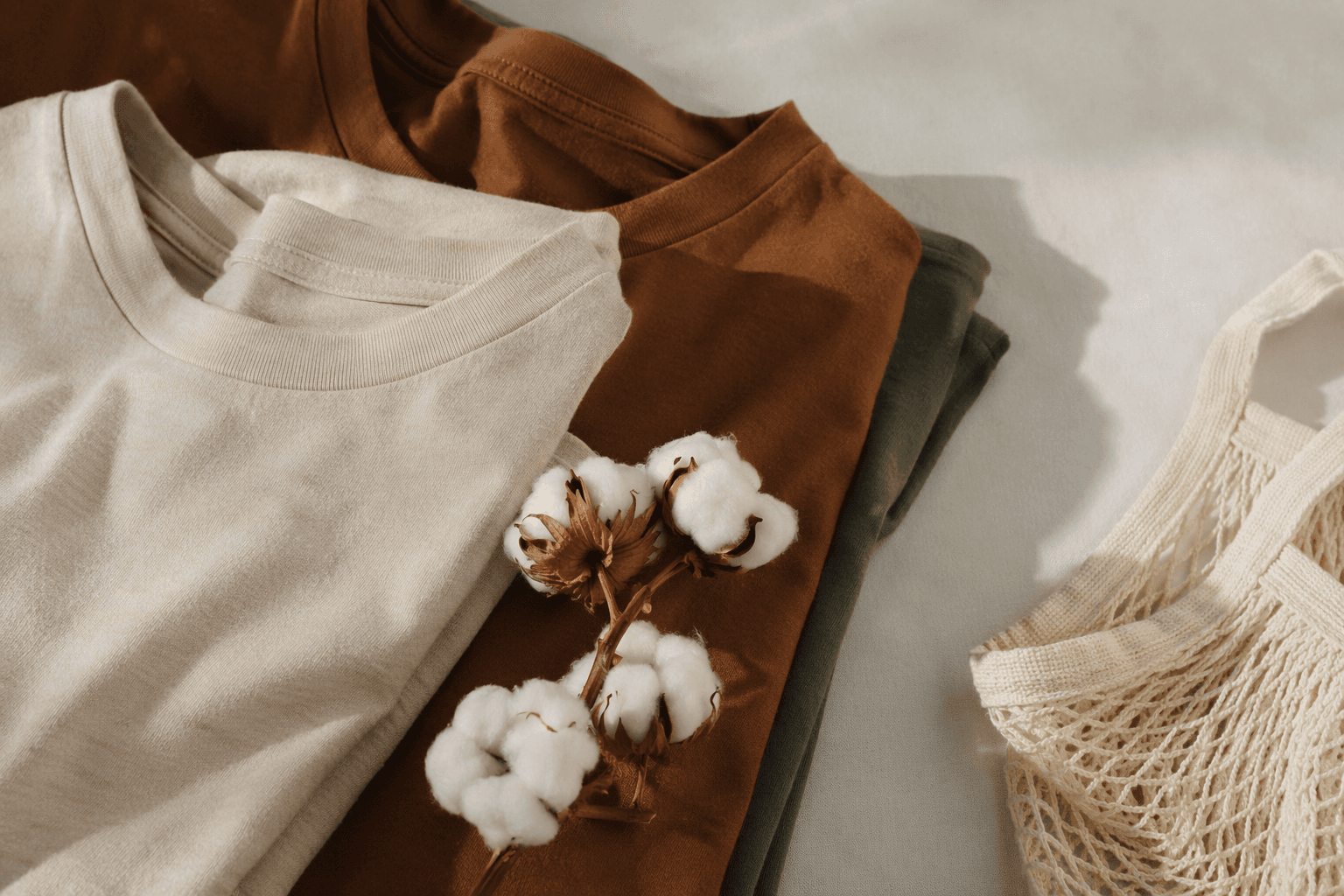
Organic cotton has stopped being a soft little buzzword and turned into a test of whether a brand can back up its story. The Good Trade’s updated guide stretches across 15 labels, but the real point is sharper than a long shopping list: the best basics pair organic fiber with durability, transparent labor standards, and packaging and dye choices that do less harm.

The appeal is not just ideological. Organic cotton is grown without toxic pesticides, fertilizers, or GMOs, and the guide links that to healthier conditions for farmers and producers, less soil and water contamination, and garments that keep their strength and softness longer because the fibers are not weakened by harsh chemicals. That is the part shoppers actually feel, in tees that do not collapse after a few washes and sweatshirts that keep their shape instead of going mushy.
How to shop the label without getting played
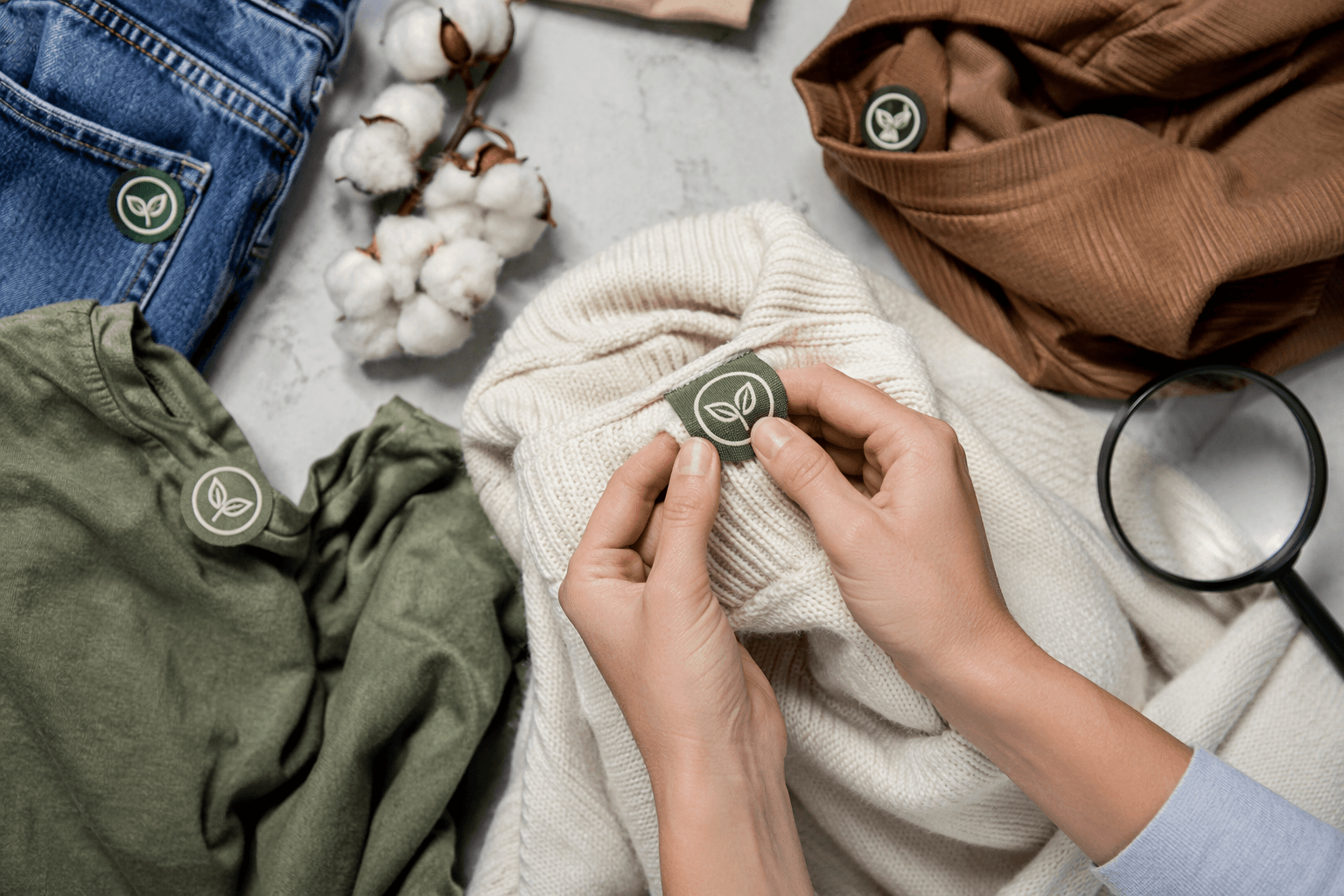
If the hangtag says organic cotton, keep going. The useful proof points are certifications like GOTS and OEKO-TEX for fabric safety, plus Fair Trade or WRAP when a brand is serious about wages, working conditions, and supply-chain transparency. Low-impact dyes, plastic-free packaging, and clear production standards matter too, because the fiber is only one piece of the garment’s footprint.
That is why organic cotton in 2026 is less about purity and more about judgment. A clean fabric claim with no factory details feels flimsy; a lower-impact tee with actual certification, honest sourcing, and construction that holds up in real life is the thing worth keeping in rotation.
The labels doing the strongest work
MATE the Label
MATE the Label is one of the clearest “wear it on repeat” options in the bunch. The brand leans into essentials made in the USA, uses 100 percent organic cotton, and folds in low-impact dyes and Tencel, which gives the clothes a cleaner drape than your average plain-Jane basic. With prices in the $$ range and sizes from XS to 3X, it hits that sweet spot where the line looks current without chasing trend-churn, and the small factory distance from its headquarters keeps the carbon footprint tighter than most basics brands bother to manage.
Organic Basics
Organic Basics is for the part of your closet that works the hardest and gets washed the most. The brand makes underwear, tanks, basic tees, cozy leggings, and other foundation pieces in organic cotton, and it is certified B Corp, which gives the label more credibility than a lot of slick “eco” marketing floating around right now. With a price range of $$ to $$$ and sizes from XS to XXL, it is not bargain-bin cheap, but if you want underlayers that feel deliberate and not disposable, this is a smart place to spend.
Kotn
Kotn brings the polish. The brand sits in the $$ to $$$ range, runs from XXS to XL, and gets singled out for timeless designs and a fourth-highest B Impact score across all clothing brands in North America. That matters because the clothes do not just read as “ethical,” they read as considered, the kind of minimal tee, sweatshirt, or knit that looks good with wide-leg denim and does not scream for attention. Kotn also invests in Egyptian communities, which is the kind of concrete impact detail that should matter more than an abstract sustainability slogan.
Pact
Pact is the practical answer when you want organic cotton basics without the full luxury markup. It is positioned as affordable fair trade basics, uses GOTS-certified organic cotton, and covers sizes from XXS to 3X with prices from $ to $$. The brand’s appeal is straightforward: it wants the entire supply chain, from growing and harvesting the cotton to sewing the garment, to be clean and responsible. That is exactly the sort of bread-and-butter transparency that makes a plain tee or legging feel like a better decision, not just a prettier one.
Harvest & Mill
Harvest & Mill is the one for people who care where the cotton actually came from, not just what the tag says. Based in Berkeley, the brand uses only organic cotton grown in the US, and each piece is sewn in the Bay Area. The line focuses on adult loungewear and socks, which makes sense, because those are the items where a clean, sturdy hand matters most, and the price lands in the $$ range with sizes from S to XL. It has spent a decade building its sustainable approach, and the supply-chain focus feels more substantive than decorative.
Beaumont Organic
Beaumont Organic lives on the dressier side of the organic cotton spectrum. The brand makes luxury casual pieces, most of them in 100 percent GOTS-certified organic cotton, and works exclusively with factories in the EU, specifically Portugal and the UK, while paying fair wages and providing strong working conditions. That is the kind of sourcing story that justifies a higher-end feel, especially if you want organic cotton pieces that look sharp enough for the office but still relaxed enough to wear with sneakers and a slouchy bag.
What is still missing from the label
Organic cotton is better than conventional cotton, but the label alone does not guarantee a thoughtful garment. A brand can still fall short on labor visibility, finishing chemicals, or waste if it stops at the fiber story and leaves the rest vague. The smarter move is to buy the brands that prove multiple layers at once: the cotton, the certification, the production standards, and the actual durability in your closet.
That is the real shift behind The Good Trade’s updated guide. Organic cotton is no longer the whole pitch, just the starting point, and the brands worth your money are the ones that make the basics better enough to justify the premium.
Know something we missed? Have a correction or additional information?
Submit a Tip