US House moves to track textiles in recycling data law
A House committee put textiles into federal recycling data law, a technical shift that could change how circularity, EPR and investment are measured.
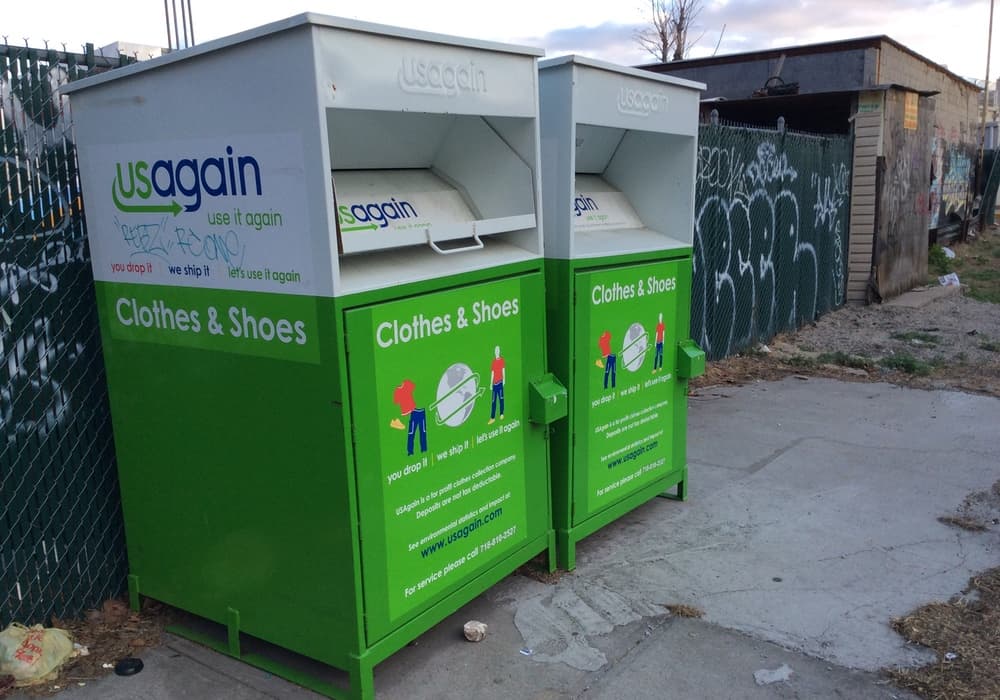
The most consequential part of the House Energy & Commerce Committee’s recycling bill was not a new bin or a grant. It was the decision to put textiles inside the federal data machinery that shapes recycling policy, a move that could finally show where fabric waste goes once it leaves a curbside cart or collection bin. By requiring the Environmental Protection Agency to study materials diverted from circular markets, the committee took a dry-sounding provision and turned it into a potential lever for textile recycling, extended producer responsibility design and capital allocation.
On May 21, 2026, the committee reported H.R. 2145, the Recycling Infrastructure and Accessibility Act of 2025, as amended by voice vote to include the language of H.R. 4109. The original bill was introduced on March 14, 2025, by Rep. Mariannette Miller-Meeks of Iowa, with cosponsors including Reps. Mikie Sherrill of New Jersey, David Joyce of Ohio, Claudia Tenney of New York and Jennifer McClellan of Virginia. Under the amended version, the EPA would also coordinate with state, local and tribal governments to collect recycling and composting data, compile a nationwide inventory of materials recovery facilities every four years, and develop a standardized estimated rate of recyclable materials brought to recycling or composting facilities, along with an estimated annual national recycling rate.
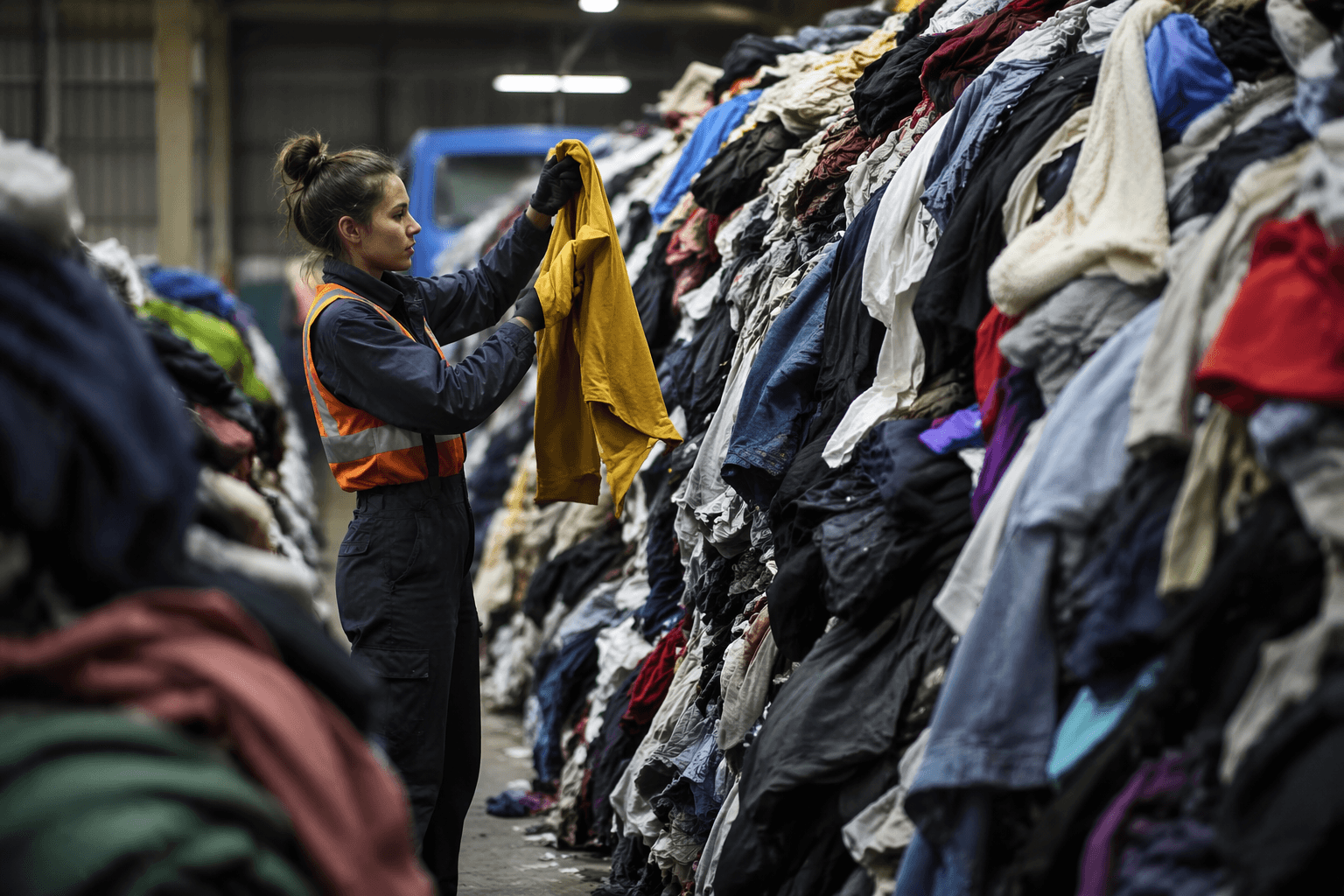
For textiles, that matters because the sector has spent years arguing over scale without a clean national picture of flow. American Circular Textiles welcomed the change, noting that the bill now names textiles alongside aluminum, plastics, paper and glass in the EPA’s study of recyclable materials diverted from circular markets. That is more than a semantic win. It is an admission that a fashion economy built on take-make-dispose logic cannot be rebuilt without hard numbers on collection, sorting and loss.
The urgency is already visible in the federal record. The Government Accountability Office said in a December 12, 2024 report that U.S. textile waste rose by more than 50 percent between 2000 and 2018. EPA data estimated 17 million tons of textiles were generated in 2018, with a recycling rate of 14.7 percent, or 2.5 million tons recycled, and 11.3 million tons landfilled. Textiles accounted for 5.8 percent of total U.S. municipal solid waste generation that year. GAO also said federal efforts remained nascent and poorly coordinated, despite a 2021 National Institute of Standards and Technology workshop on reducing textile waste and a March 2024 State Department interagency meeting on textiles.
The bill also would create an EPA pilot grant program to improve recycling accessibility in underserved communities, with Rep. Miller-Meeks saying the effort would target communities more than 75 miles from a recycling facility. For a fashion industry trying to prove that circularity is more than a slogan, better federal measurement may be the difference between guesswork and a market that can actually be built.
Know something we missed? Have a correction or additional information?
Submit a Tip