Washington University creates biodegradable fiber that can be remade again
A WashU fiber made from spider silk, mussels and amyloids could be dissolved, remade and biodegrade if shed, targeting textile waste and microplastics.

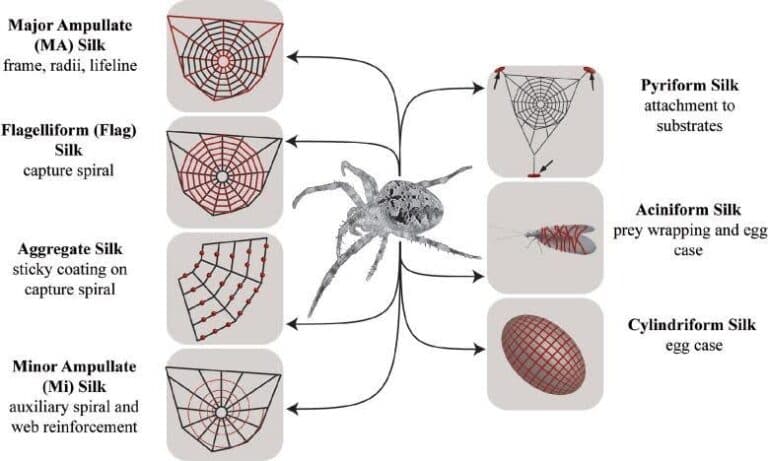
Washington University in St. Louis has built something fashion has wanted for years and barely knows how to make happen: a fiber that can go back to fiber again. The new material, called SAM, is a protein-based textile inspired by spider silk and mussels, and its most useful trick is not novelty but waste control. The researchers say it can be dissolved in formic acid within seconds, then reformed into new fibers, while any particles shed during washing are designed to biodegrade instead of lingering as conventional microplastics.
That matters because the fashion system still treats waste as an afterthought. The textile industry generates a substantial share of global waste, yet only about 12% of fiber materials end up in recycling. At the same time, clothing made from polyester and nylon sheds microplastics during wear and washing, sending tiny fragments through wastewater systems and into aquatic ecosystems. SAM aims at both pain points at once: fiber-to-fiber recyclability and a cleaner end-of-life footprint.
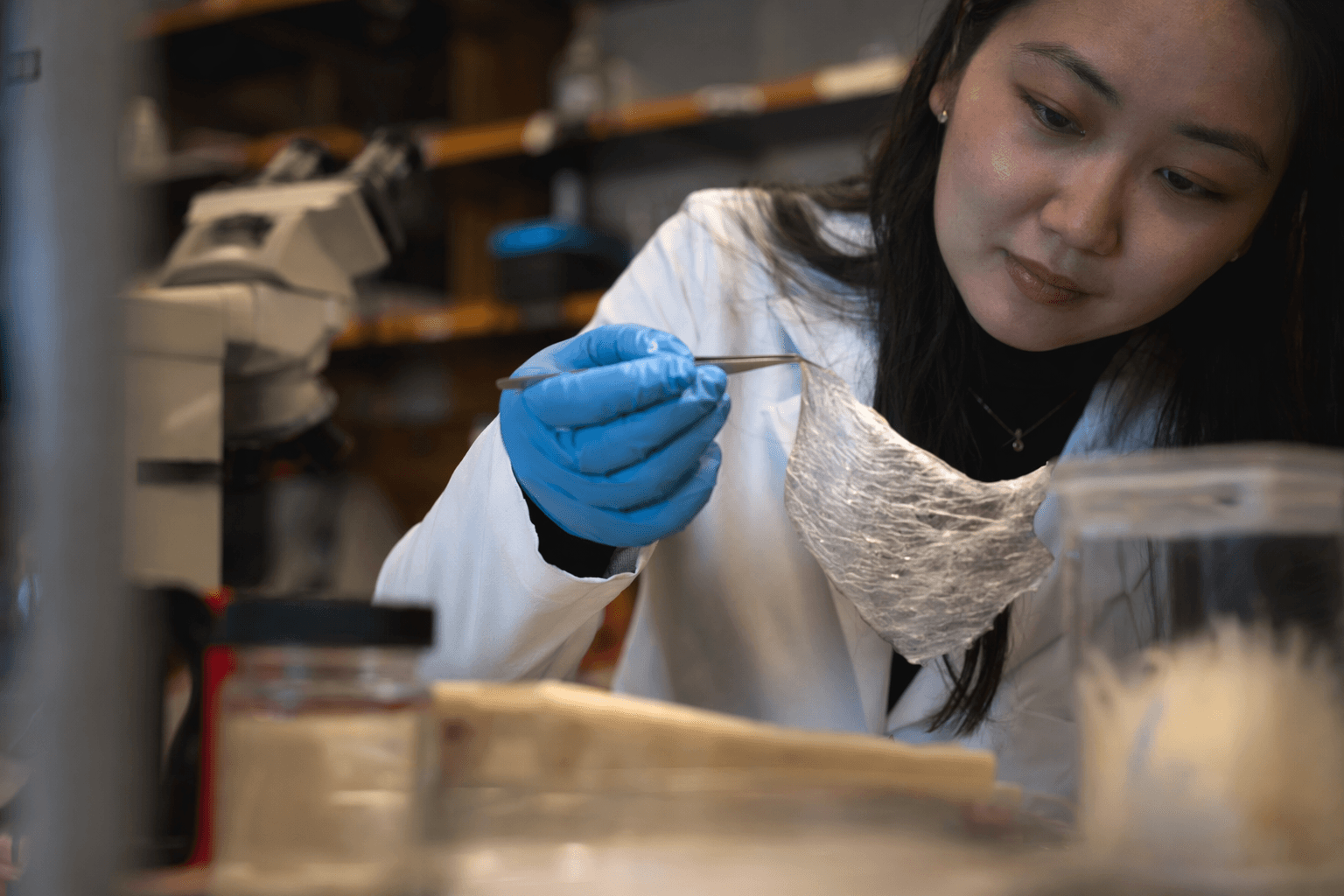
The material was developed in Fuzhong Zhang’s lab at Washington University in St. Louis. Zhang, the Francis F. Ahmann Professor in the Department of Energy, Environmental & Chemical Engineering and co-director of the Synthetic Biology Manufacturing of Advanced Materials Research Center, SMARC, said the team engineered the textile through synthetic biology using genetically modified microbes in bioreactors. The protein chains themselves are not meant to be broken down or rewritten in recycling, only dissolved and reassembled, which is the distinction that could make this more than another sustainability proof of concept.
The chemistry is impressive; the real question is whether it survives the wardrobe. Any textile that promises to rival conventional synthetics has to prove durability, manufacturability and cost, not just lab elegance. Wash durability matters. Scale matters. So does whether bioreactor production can compete with the cheap, relentless economics of polyester and nylon. If the fiber can be made reliably and worn hard without losing performance, it could offer a cleaner path than today’s end-of-life promises, which usually stop at the marketing copy.
Zhang’s group has been building toward this for years. In 2023, the same team reported synthetic spider silk made with engineered mussel foot proteins, saying microbial production of btMSilk fibers delivered eightfold higher yields than recombinant silk proteins. That earlier work was driven in part by fashion’s scale, which the team pegged at an estimated 100 billion garments and 92 million tons of waste a year. SAM extends that logic with a sharper thesis: the next generation of sustainable textiles will not just look engineered for performance. They will have to disappear and return cleanly, too.
Know something we missed? Have a correction or additional information?
Submit a Tip