Zara, H&M and Primark keep T-shirt prices too low, report says
Bangladesh T-shirts are still being bought at prices that ignore inflation. Clean Clothes Campaign says that squeeze helps keep wages low and overtime high.
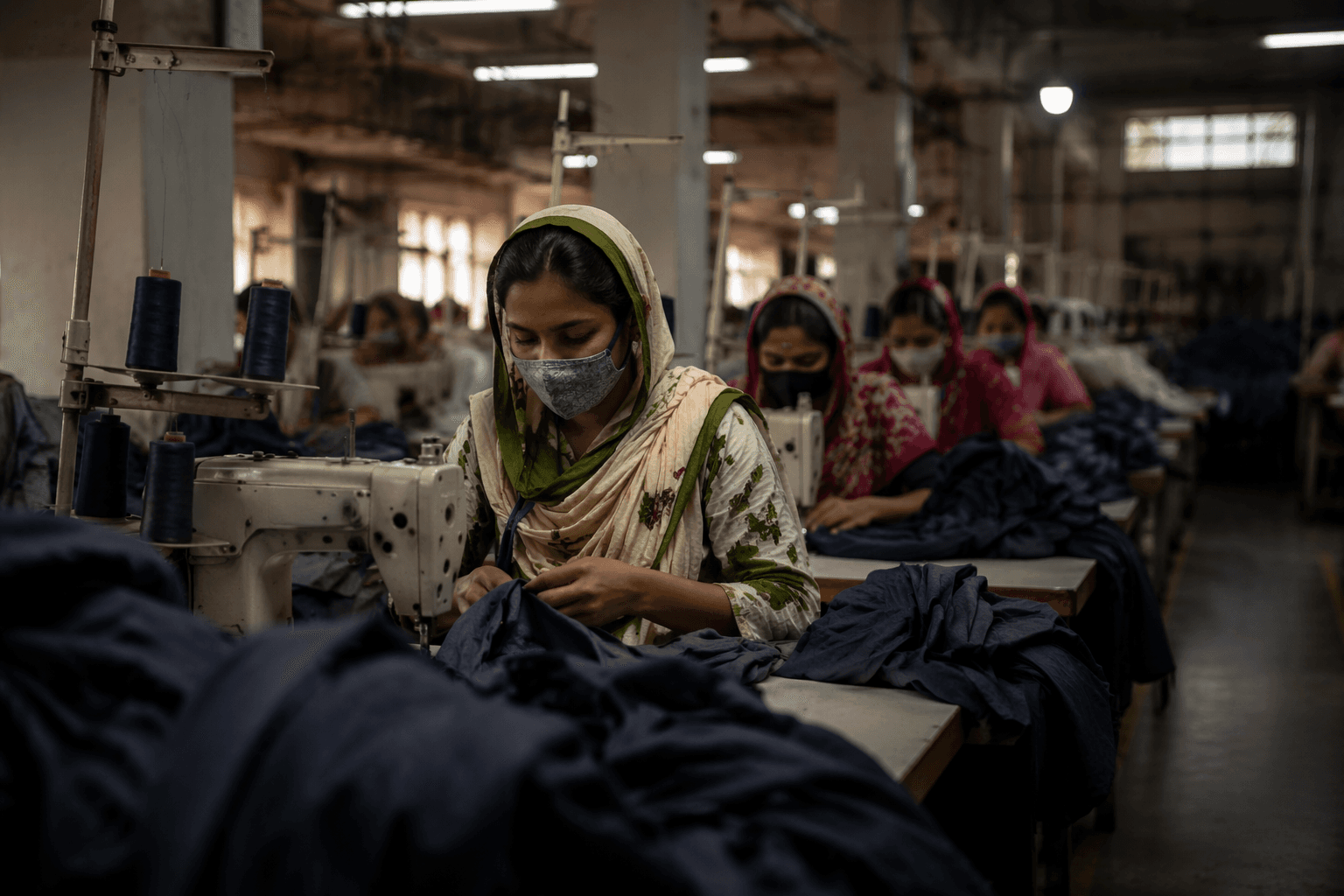
The cheapest T-shirt in the room is still doing the most damage. Clean Clothes Campaign says the six highest-volume buyers of cotton T-shirts from Bangladesh over the past five years, including Inditex, Primark and H&M, did not raise sourcing prices in line with global inflation, and that Bangladeshi prices rarely rise above $18 a kilogram, or about $3 a piece.
That is not just a bargain-basement buying habit. It is the price architecture that keeps the rest of the system under strain. The campaign argues that when brands hold sourcing prices down that hard, suppliers are pushed to cut labour, safety and overtime costs to make the numbers work. In its view, low sourcing prices are not a market failure but a central organising principle of the garment business, one that helps lock in poverty wages and precarious working conditions.
Bangladesh remains the sharp end of the story because of its central place in global apparel production and the weakness of workers’ bargaining power. Clean Clothes Campaign says the 2023 minimum-wage protest ended with another poverty wage and a crackdown on workers, including criminal charges hanging over tens of thousands of them. The group also points to a 2019 study by Prof. Mark Anner that documented how the sourcing squeeze in Bangladesh feeds labour-rights violations.
The brands, for their part, are trying to sound more aligned with living-wage language without yet escaping the low-price logic. H&M says a minimum wage "should be revised regularly to keep up with increasing living costs and inflation," and says it monitors wage data and supplier conditions through local teams, virtual checks, in-person visits and third-party audits. The company says it launched a fair living wage strategy in 2013, a reminder that the vocabulary of fairness has been around for more than a decade without translating into pay packets that keep pace on the factory floor.
Inditex, which worked with 1,729 direct suppliers in 50 markets in 2022, says its purchasing and sustainability teams in Bangladesh continue to show suppliers "clear support for a living wage." That is the right language, but the buying system still tells another story. If brands want fair wages to coexist with low prices, they would have to redesign the basics: build wage increases into costing models, stop rewarding buyers for shaving cents off orders, and commit to volumes and lead times that let suppliers pay people properly instead of gambling on survival. Until that happens, T-shirts will stay cheap in the shop and expensive everywhere else.
Know something we missed? Have a correction or additional information?
Submit a Tip