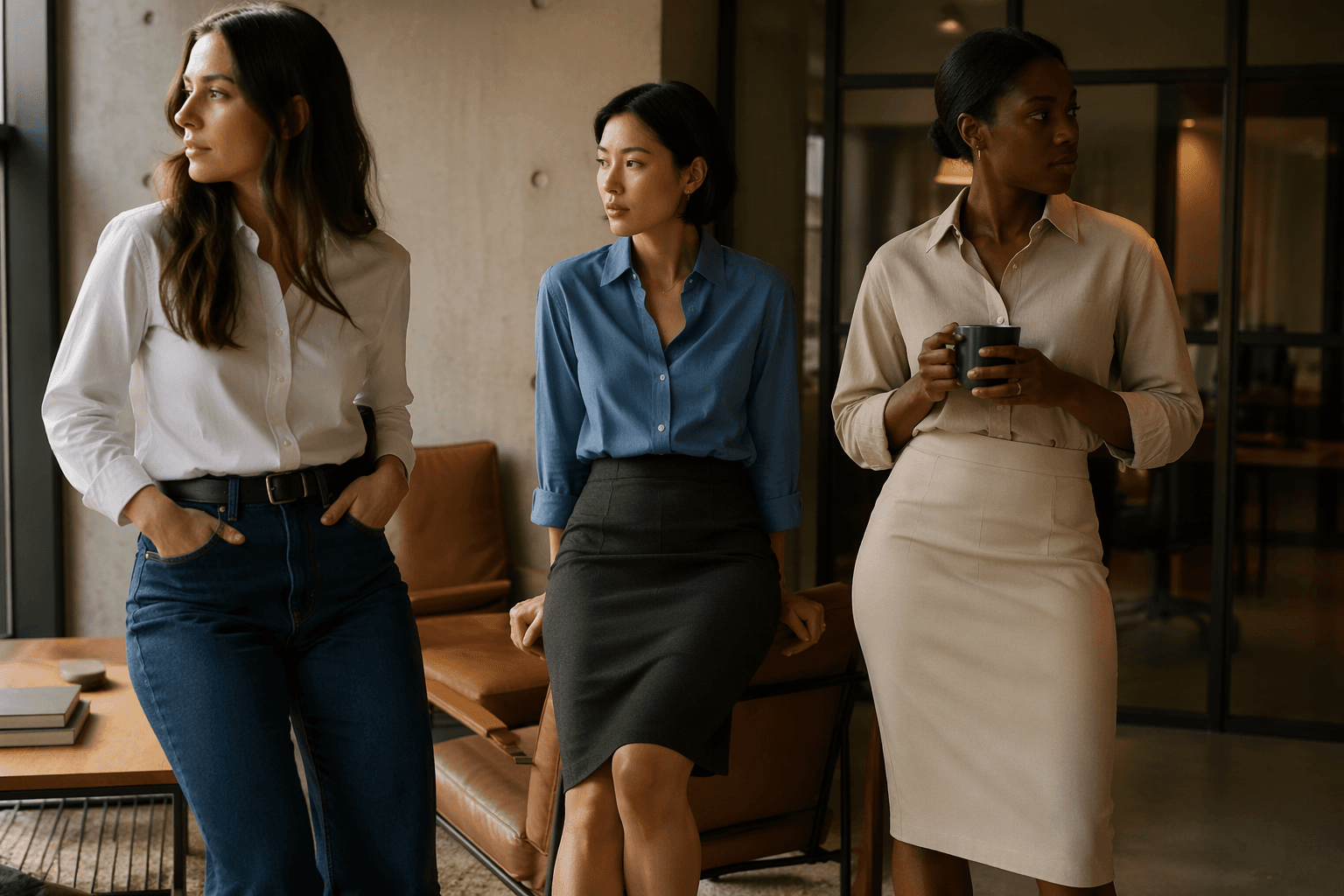
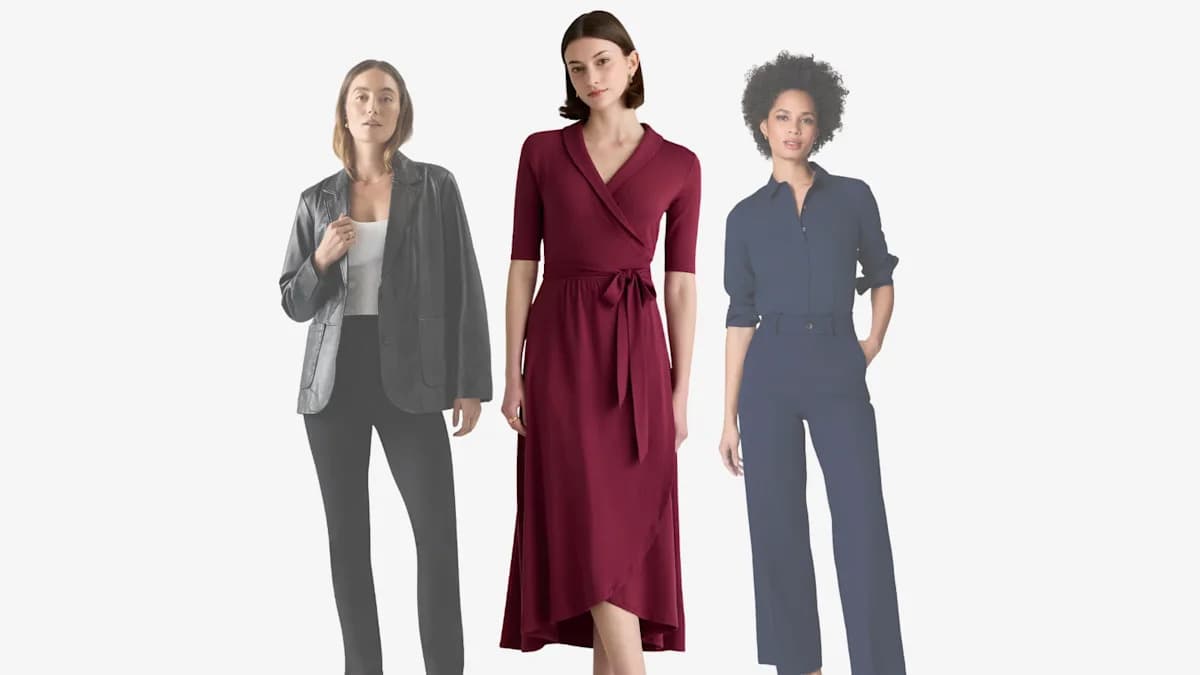
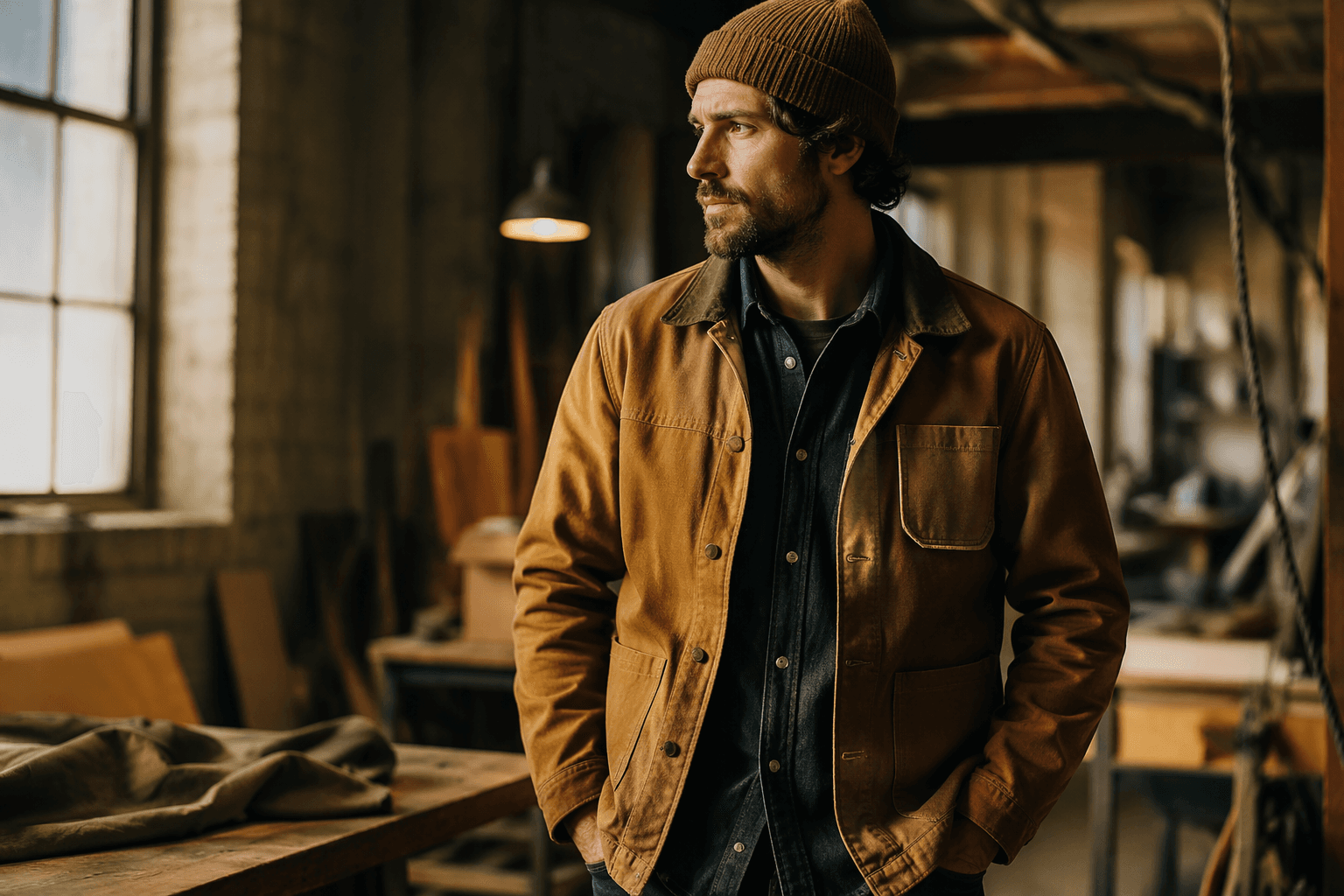
Arpenteur refines French workwear with softer details and in-house craft
Arpenteur’s workshop-led model keeps French workwear precise, soft-spoken, and entirely made in France, even as the label turns 15.
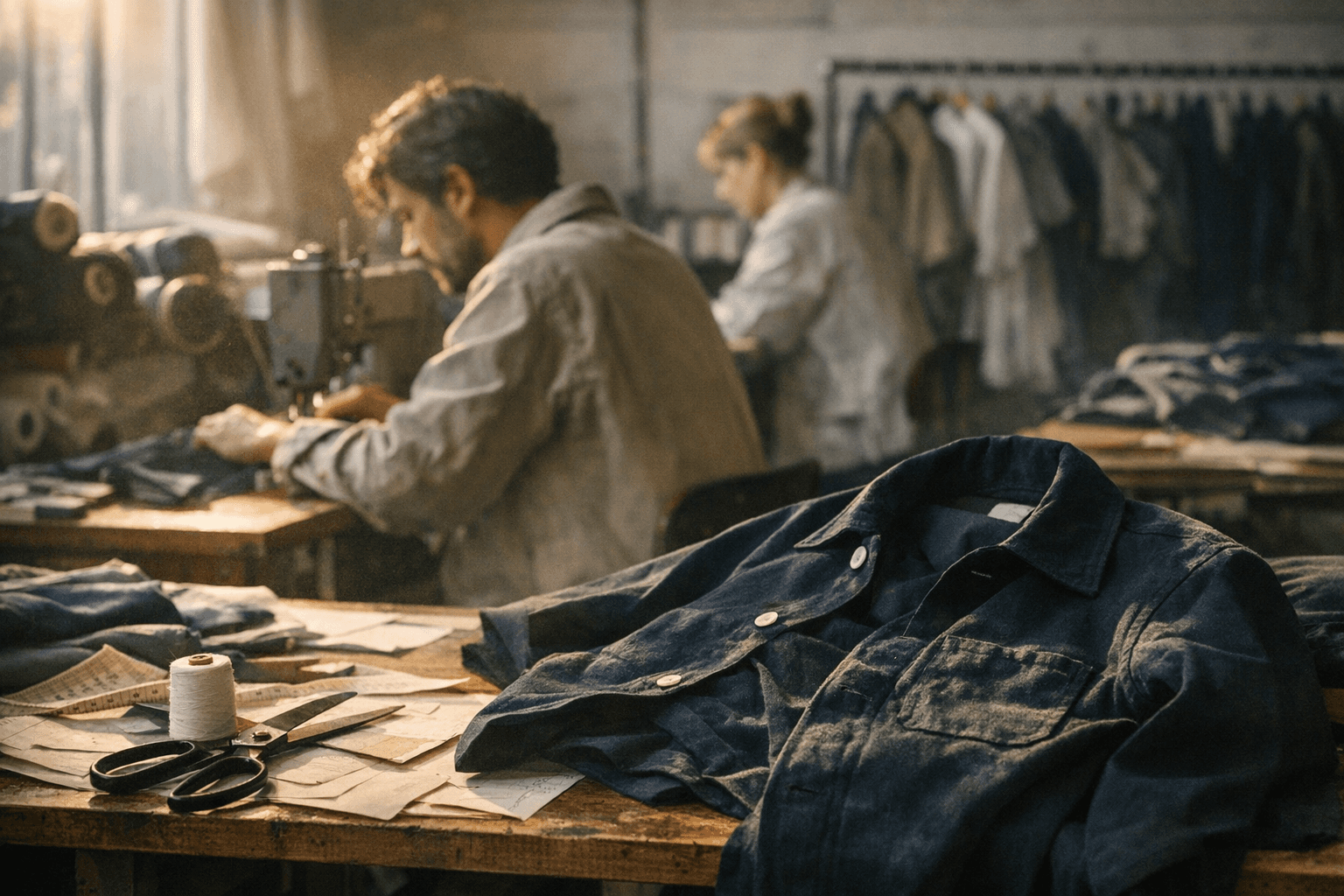
A workshop, not a mood board
Arpenteur’s real story is not that it has become softer. It is that the brand has learned how to soften workwear without sanding off its credibility. Built around an in-house workshop in Lyon, the label still develops, tests, and finishes its clothes with a small specialized team, which means the balance between utility and refinement is controlled at the source. In workwear terms, that matters: the difference between looking vaguely rugged and actually wearing well often comes down to construction, fabric handling, and fit.
That workshop-first model is what makes Arpenteur feel more like an operational case study than a style exercise. The brand’s products sit between outerwear, workwear, and sportswear, with studied cuts and sleek finishes, but those polished lines are anchored by a production system that remains close to home. Every piece is entirely made in France, and that local consistency gives the clothes a rare kind of discipline. The result is wardrobe clothing that can move from practical city wear to something more considered without losing its spine.
Built in Lyon, with no fashion pedigree required
Arpenteur was created in 2011 in Lyon by Marc Asseily and Laurent Bourven, and the detail that still feels most revealing is that neither founder had previous fashion experience. They did not arrive with the usual industry script. Instead, they began with a clear idea of refined everyday clothing informed by classic workwear, then made the hard choice to work with small manufacturers in Lyon and cut-and-sew every sample in-house.
That origin story explains why Arpenteur’s clothes have always looked practical before they look precious. The brand grew out of use, not hype. Even now, as it reaches its 15-year moment, that early logic remains visible in the clothes’ proportions and finishes: functional enough to earn trust, polished enough to avoid costume. For readers who buy workwear because they want durability and not just attitude, that combination is the point.
Where the softness enters
The new tension in Arpenteur’s language is not a departure from utility but a refinement of it. In the Fall/Winter 2026 imagery, the brand leaned into subtler details, including mother-of-pearl buttons and naturally dyed cloth, and those choices do quiet but important work. Mother-of-pearl catches light differently than a blunt plastic fastening; naturally dyed fabric carries a more restrained depth, less shouty than a saturated synthetic finish. Together, they pull the brand’s world toward tactility and ease.
That shift matters because workwear can too easily be flattened into stiffness, heaviness, or faux authenticity. Arpenteur’s response is smarter: keep the utilitarian frame, then soften the surface. The clothes still read as sturdy, but they now hold a gentler line in pictures and, more importantly, in real life. Marc Asseily wanted Khalil Ghani’s photography to reveal that softer side because the garments can appear plain or tough at first glance. That insight is crucial. A good workwear wardrobe should not only survive wear; it should also reveal nuance the longer you live with it.
Why in-house production changes the clothes
An in-house workshop is not just a romantic detail. It gives Arpenteur control over the exact degree of refinement each garment receives. When a brand is developing, testing, and making its products under one roof in Lyon, it can calibrate where a jacket should feel rugged, where a trouser should drape cleaner, and where a shirt needs a quieter finish. That kind of control is especially valuable when the design brief sits between outerwear, workwear, and sportswear, because the line between robust and overly technical is easy to blur.
It also helps explain why Arpenteur has stayed coherent while maturing. Many labels widen their offer and lose the original voice. Arpenteur has done the opposite: it has broadened the language of utility by polishing the grammar. The brand’s studied cuts and sleek finishes feel more convincing because they are not applied as decoration after the fact. They are embedded in a system that is already local, hands-on, and exacting.
The Paraboot partnership as proof, not branding
Arpenteur’s collaboration with Paraboot gives the clearest evidence that this evolution is additive, not corrective. The partnership began in 2018 and is renewed each season, which tells you the relationship is not a one-off marketing flourish. It is a durable exchange between two French labels that already share an appreciation for utilitarian quality and timeless aesthetics.
Paraboot chose the Malo for the collaboration because it combines boat-shoe style with the sturdiness of an outdoor moccasin, and that choice feels perfectly aligned with Arpenteur’s own direction. The Malo has the right tension in it: familiar enough to feel easy, rugged enough to carry practical weight. Arpenteur has also photographed Paraboot shoes alongside its clothes since the brand’s early days, which makes the partnership feel less like a special project and more like an extension of how the label has always dressed its world. In a workwear wardrobe, that continuity matters. It signals taste, but it also signals trust.
What this means for modern workwear
Arpenteur is offering a useful lesson for anyone who shops workwear with intention: credibility does not have to mean harshness. The brand proves that utility can become more refined without becoming brittle, and that the route there is often operational, not merely aesthetic. In-house development, small-scale manufacturing, and a French production base give the label the freedom to adjust texture, fastening, and finish until the clothes feel quietly exact.
The broader appeal is obvious. If you want garments that can handle daily wear, commute well, and still look composed after hours, Arpenteur’s approach makes a strong case for buying into craft rather than spectacle. The label’s maturation has not erased its roots in classic workwear. It has simply made those roots more wearable, more tactile, and more attuned to the way men and women actually dress now. In a market full of loud utility, Arpenteur’s restraint feels like its sharpest strength.
This article was produced by Prism’s automated news system from verified source data, official records, and press releases, then run through automated quality and moderation checks before publishing. The system is built and supervised by the people who set the standards it runs under. Read our full AI policy.
Did this article answer your question?