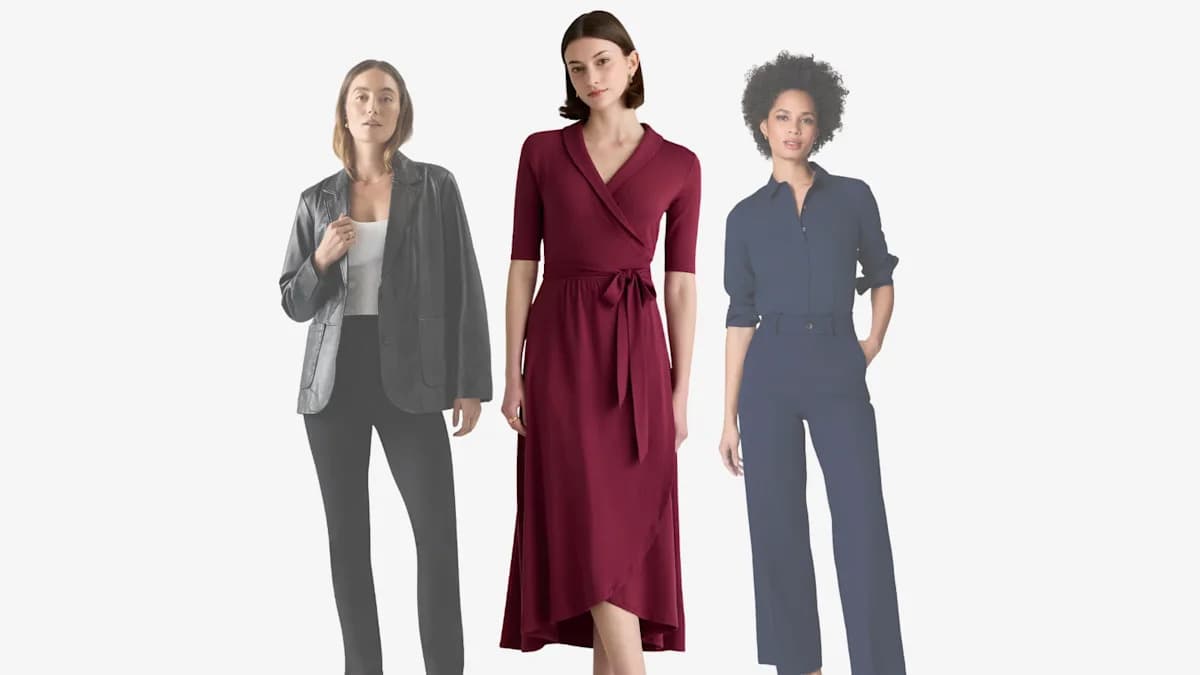
Build a Durable, Mix-and-Match Workwear Capsule to Minimize Decision Fatigue
Build a durable, mix-and-match workwear capsule that minimizes decision fatigue by starting with pieces you love, choosing a base neutral, and prioritizing fit and quality.

Vision and purpose
Think of this capsule as a quietly radical act: a career-focused wardrobe built to minimize decision fatigue so your morning energy goes toward the day, not your outfit. The guiding idea is simple and actionable — build a durable, mix-and-match workwear capsule that prioritizes fit and quality, beginning with pieces you already love and anchoring the whole wardrobe around a single base neutral.
Start with pieces you love
Begin with pieces you love: that silk blouse that makes you feel articulate, the blazer that hits your shoulder exactly right, the pair of trousers you reach for when you have a big meeting. Making these emotional anchors part of your capsule reduces decision fatigue because they become reliable defaults, not occasional indulgences. Use them as truth-tellers for fit and fabric: if a garment sparks confidence at first try, it earns its place in a compact rotation.
Choose a base neutral and build outward
Choose a base neutral and stick to it as the spine of your capsule: charcoal, navy, deep camel, or a true black each offer different visual notes and maintenance realities. A navy base reads less severe than black under office lights, while deep camel softens tailoring and pairs effortlessly with denim on casual Fridays. Once you set that base neutral, introduce two supporting neutrals and one accent color for accessories; this controlled palette keeps combinations intuitive and reduces morning decisions.
Prioritize fit and quality
Prioritize fit and quality above trend-driven details: a well-cut jacket transforms everything beneath it, and garments that fit properly reduce the need for constant adjustments during long days. Invest in tailoring for suits and trousers — small alterations to shoulder seams, sleeve length, or hem can extend the lifespan of a piece and justify a higher upfront cost. Quality fabrics, precise seams, and durable linings matter because they deliver consistent silhouettes and resist the creasing and pilling that force you to discard otherwise serviceable items.
Silhouettes that multiply options
Select silhouettes that work across meetings, presentations, and after-hours networking because versatility is the antidote to decision fatigue. Aim for one structured blazer, one soft blazer or longline coat, a pair of tapered trousers, a straight-leg trouser in your base neutral, a midi pencil skirt, and a silk or fine-knit blouse. These shapes mix-and-match cleanly: the structured blazer reads authoritative, the soft blazer relaxes a look, and the tapered trousers pair with flats or heels without altering the ensemble’s balance.
Fabrics and construction for durability
Choose fabrics with performance and tactile appeal: midweight wool or wool blends for suiting, gabardine for trousers, silk or silk blends for blouses, and long-staple cotton or fine merino for knits. These choices balance durability with the refined hand that makes workwear feel intentional rather than utilitarian. Construction details — full canvas or half-canvas jackets, reinforced crotches in trousers, and lined hems — are worth noting because they extend garment life and maintain shape, which matters when your wardrobe must perform day in and day out.
Layering strategy and seasonal adjustments
Build a layering strategy so you can transition from cool offices to outdoor commutes without rethinking your wardrobe. Use a light merino crew or fine-knit turtleneck under blazers for warmth without bulk, and keep a tailored long coat in your base neutral for commute resiliency. Seasonal swaps should be minimal: trade a wool blazer for an unlined linen blend in summer while keeping proportions identical so each piece slots into existing outfits without fuss.
Accessories and footwear to simplify choices
Let accessories do the heavy lifting: one high-quality leather tote, one crossbody for hands-free days, and two pairs of shoes in classic silhouettes — a low-pointed leather pump and a polished loafer or ankle boot. Accessories concentrated in one or two materials and colors means pairing is automatic, further reducing decision fatigue. Keep belts, scarves, and jewelry minimal and consistent in tone so they enhance rather than complicate daily dressing.
Care, repair, and longevity
A durable capsule depends on maintenance systems that are easy to follow, which in turn limits wardrobe dithering. Establish a care routine: weekly airings for wool, professional pressing for blazers, and targeted mending for seams or buttons as soon as issues appear. Consider paid repairs for structured pieces; a modest tailoring or reweaving bill preserves the silhouette and often costs far less than replacing a favorite garment.
A practical shopping plan
Follow a step-by-step approach when adding to the capsule: 1) audit what you wear and what you avoid; 2) identify gaps in silhouette or fabric; 3) buy one key piece in your base neutral; 4) tailor immediately; 5) repeat as needs change. This sequential process keeps purchases intentional and aligned with the goal to minimize decision fatigue. Budgeting by category — allocating more for outerwear and blazers, less for seasonal blouses — lets you prioritize items that influence the most outfits.
Styling routines to minimize morning choices
Create two signature outfits for the week: a meeting-ready set and a more relaxed, client-facing look; rotate variations around these anchors. Having repeatable formulas such as "structured blazer + tapered trousers + silk blouse" streamlines mornings because you know immediately what will work. Keep an outfit plan on your phone or a small wardrobe notebook so outfit creation is a recall exercise rather than a creative scramble.
When to evolve the capsule
Evolve the capsule deliberately: every six to twelve months, reassess by wear frequency and by how often a piece reduces decision fatigue rather than increases it. Replace items that no longer fit your role or comfort — but do so according to the same criteria: begin with pieces you love, select options that complement your base neutral, and again prioritize fit and quality. This slow rotation keeps the wardrobe aligned with career changes, climate shifts, and the subtle evolution of personal taste.
Final note
A durable, mix-and-match workwear capsule is not about removing joy from dressing; it is about channeling your decision-making energy toward the work you do. Build around the few certainties you already love, choose a base neutral that serves the life you lead, and make fit and quality the nonnegotiables. The result is a wardrobe that minimizes decision fatigue and consistently reads as intentional, allowing your presence to carry the room rather than your clothes.
This article was produced by Prism’s automated news system from verified source data, official records, and press releases, then run through automated quality and moderation checks before publishing. The system is built and supervised by the people who set the standards it runs under. Read our full AI policy.
Did this article answer your question?