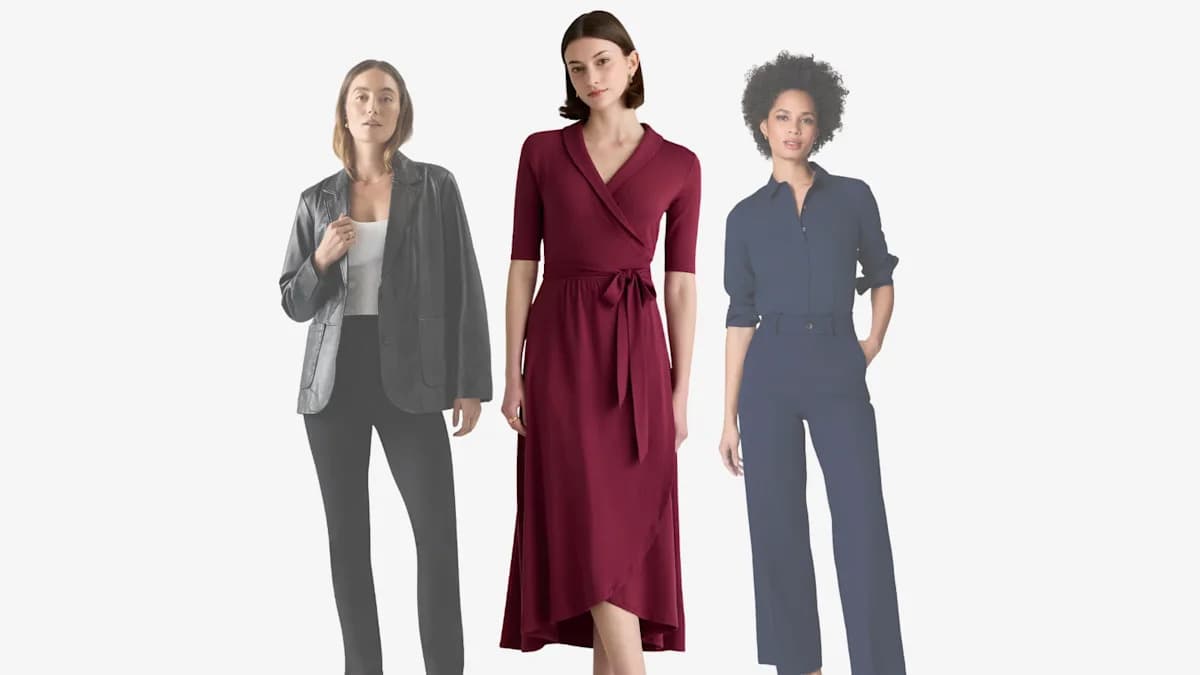
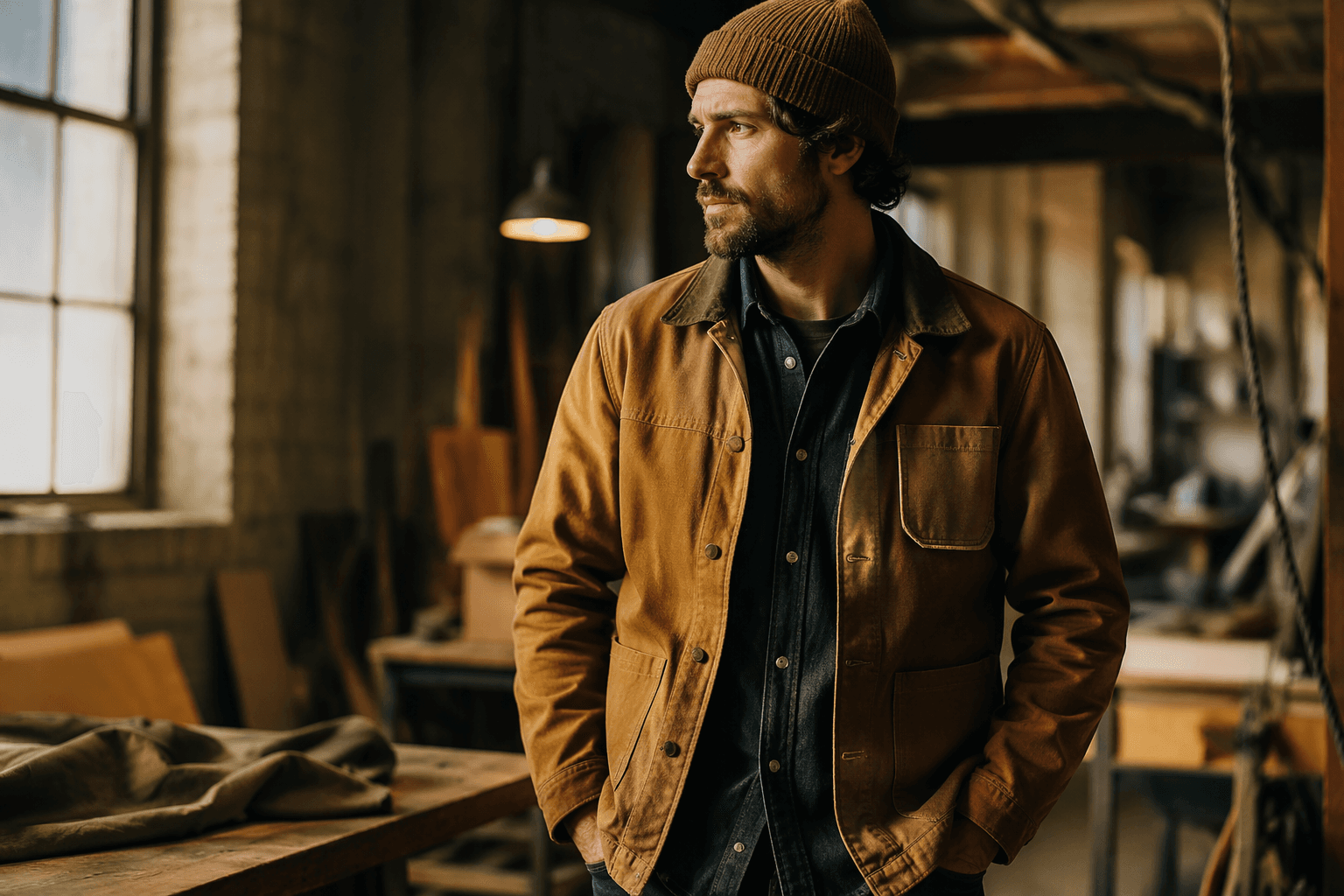
Build a Long-Lasting Office Wardrobe With Sustainable Fabrics and Fit
Focus on natural, long‑wear fabrics, wool, linen, organic cotton, and invest in fit and construction to build an office wardrobe that lasts and feels personal.

A long‑lasting office wardrobe starts with two decisions you can control: what the garments are made of and how they fit. This guide collects practical workwear recommendations that emphasize sustainable, durable, and ethically produced pieces, with clear steps to translate those choices into everyday elegance.
1. Choose natural, long‑wear fabrics: wool, linen, organic cotton
Natural fibers are at the center of a sustainable workwear strategy; prioritize wool, linen, and organic cotton as your core materials. Wool brings insulating performance and resilience for cooler months, linen offers breathability and a lived‑in drape for warmer seasons, and organic cotton provides softness and durability for shirts and relaxed tailoring. Choosing these long‑wear fabrics reduces reliance on fast, synthetic pieces and aligns your wardrobe with durable, sustainable principles.
2. Prioritize fit above trend
Fit is the single biggest longevity booster for an office wardrobe, well‑fitting garments are worn more often and require fewer replacements. Invest in tailoring: a blazer with the correct shoulder seam, trousers hemmed to the ideal break, and shirts adjusted at the side seams transform mid‑price pieces into lasting classics. Prioritizing fit also supports personal expression; well‑cut garments read as intentional and polished without chasing seasonal silhouettes.
3. Look for durable construction details
Durability is as much about construction as fabric; seek reinforced seams, quality lining in blazers, and securely attached buttons to ensure pieces withstand daily wear. Durable construction reduces the environmental footprint by extending garment life and aligns with the research emphasis on building a long‑lasting office wardrobe. Examine hems, stitch density, and reinforcements at stress points, these are practical markers of garments that will perform year after year.
4. Favor ethically produced garments and transparent supply chains
Prefer brands that emphasize ethical production and transparency; a commitment to fair labor and traceable sourcing complements your fabric choices. Ethically produced workwear often pairs responsibly sourced materials like organic cotton with living wages and safer factory conditions, which contributes to a truly sustainable wardrobe. When shopping, ask brands about their production practices and whether they can verify the origin of wool, linen, or organic cotton used in their pieces.
5. Build a capsule of versatile, long‑wear office staples
Create a compact capsule that centers on the durable fabrics you’ve chosen: a wool blazer, linen trousers for warm months, organic cotton shirts, a versatile skirt or tailored trousers in neutral colors, and one elevated outer layer. These staples work together across seasons and can be adapted through accessories and layering, making each piece earn its place through repeated wear. A focused capsule encourages mindful purchasing and underscores the guide’s practical advice for longevity.
6. Match fabric to season for comfort and longevity
Seasonal relevance matters: linen and lightweight organic cotton are best for spring and summer due to breathability, while wool excels in fall and winter for insulation and durability. Rotating fabrics by season preserves garment fibers, lighter fabrics avoid overuse in cold months and heavyweight wools stay out of hot weather, which prevents premature wear. Thoughtful seasonal pairing keeps pieces comfortable and wearable year after year.
7. Care for garments to extend life
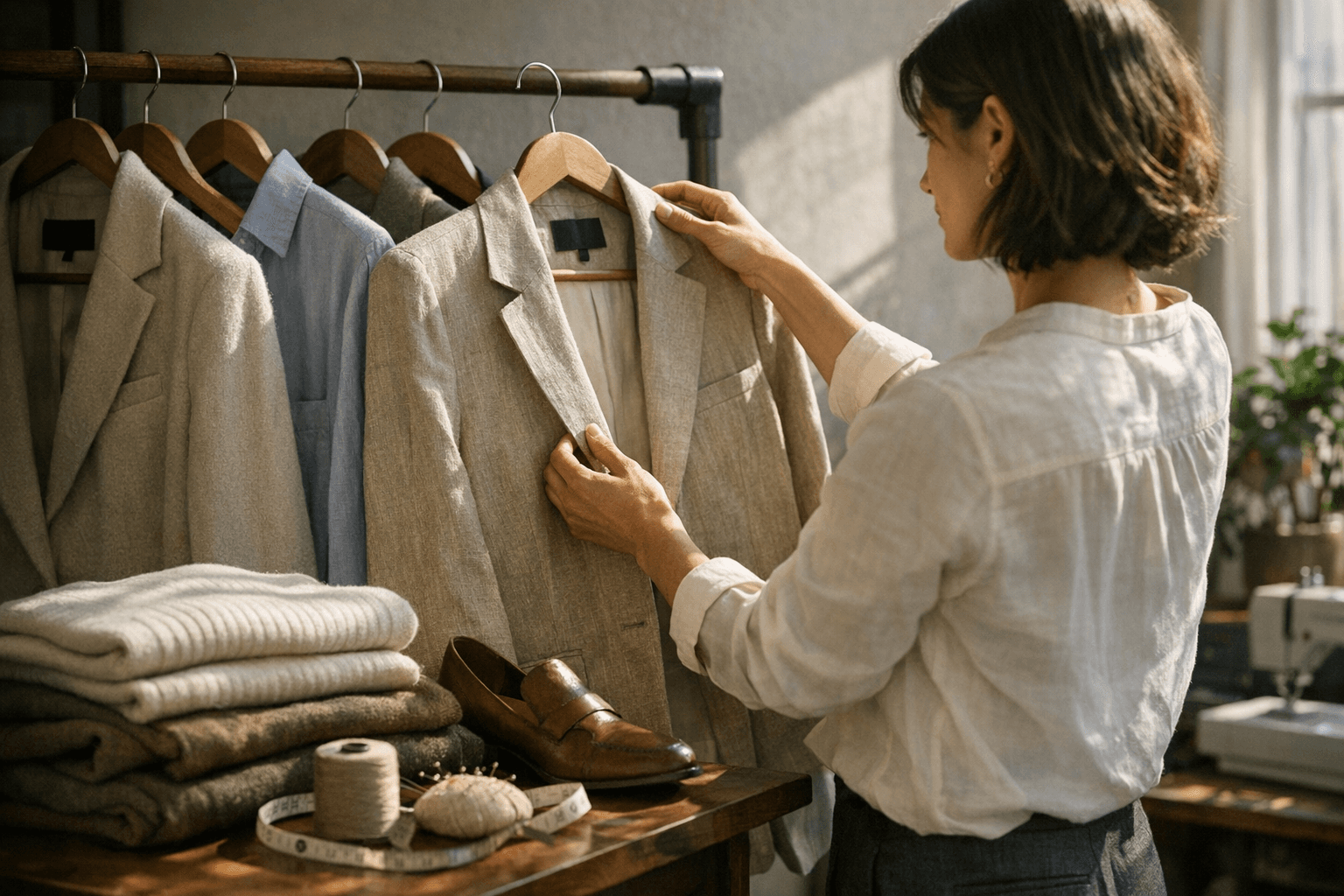
Proper care is a direct act of sustainability: follow garment care labels, air out clothes between wears, and use gentler laundering methods appropriate for wool, linen, and organic cotton. Small maintenance rituals, spot cleaning, using a sweater comb for pilling, and storing seasonal items in breathable covers, prevent unnecessary replacements. Regular, simple repairs like re‑sewing a loose button or reinforcing a hem preserve each piece’s value and support a durable, long‑lasting wardrobe.
8. Invest in tailoring and small repairs rather than frequent replacement
A modest investment in tailoring and repairs often yields a better cost‑per‑wear and a smaller environmental footprint than repeated buying. Tailoring adjusts off‑the‑rack proportions to your body so a single wool blazer or pair of trousers can remain wearable through style shifts and weight fluctuations. Treat repairs, replacing linings, mending seams, as routine care; these actions keep ethically produced and durable pieces in circulation longer.
9. Curate color, texture, and personal signatures for attainable elegance
Choose a focused palette of neutrals complemented by one or two signature colors or textures so each sustainable, durable item integrates into multiple outfits. Personal details, like the drape of linen, the stitch of a wool collar, or the feel of organic cotton, become your distinguishing signatures when garments are well made and well fitted. This strategy supports attainable elegance, letting craftsmanship and fit communicate refinement without excessive consumption.
10. Make buying decisions with cost‑per‑wear and long‑term use in mind
Frame purchases around how often you’ll wear an item and how it will age; a higher upfront cost for well‑constructed wool or responsibly produced cotton often pays off through years of wear. Thinking of garments as investments in a long‑lasting office wardrobe aligns with the core guidance to choose sustainable, durable, and ethically produced pieces. This practical mindset encourages deliberate shopping that privileges quality and reduces wardrobe turnover.
Conclusion: Building a long‑lasting office wardrobe is a practice as much as a purchase, choose natural, long‑wear fabrics like wool, linen, and organic cotton, insist on fit and durable construction, favor ethically produced items, and adopt care routines that extend life. Those decisions yield a closet that feels personal, performs season after season, and embodies attainable elegance through quality and craftsmanship.
This article was produced by Prism’s automated news system from verified source data, official records, and press releases, then run through automated quality and moderation checks before publishing. The system is built and supervised by the people who set the standards it runs under. Read our full AI policy.
Did this article answer your question?