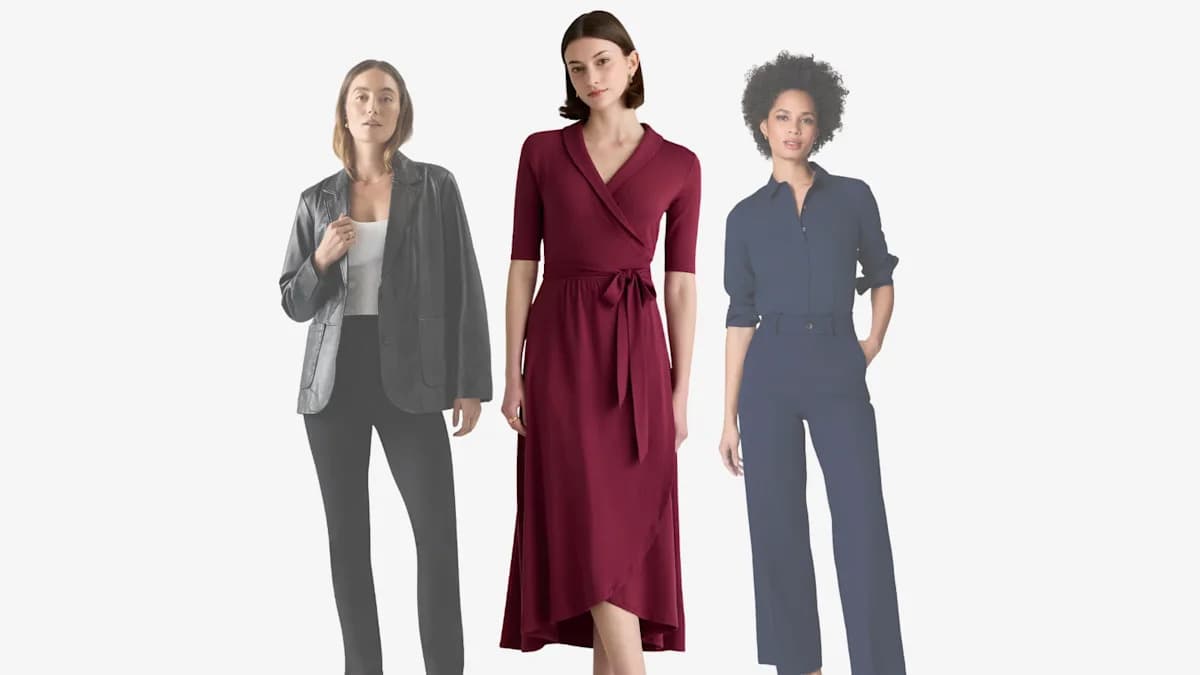
Capes return to everyday wardrobes with polished, practical appeal
Capes are back in a smarter register, with blouse, knit and sheer versions that feel polished enough for work and light enough to actually wear.

Why capes suddenly look practical again
The cape is shedding its costume reputation fast. The cleanest versions showing up now are soft and wearable, built into blouses, knits, delicate sheer overlays, and light transitional layers that skim the body instead of swallowing it. That shift matters because the best workwear now reads as polished but useful, and this silhouette finally understands the assignment.
WWD’s cape coverage frames the look as moving off the red carpet and into real life, which is exactly why it feels relevant now. The strongest versions are not the sweeping, dramatic capes that demand a spotlight. They are the ones that bring a little movement to an otherwise grounded outfit, the kind of piece that can sit over tailored trousers, wide-leg denim, or a neat skirt and still feel like part of a weekday uniform.
The office case for the cape is narrower, but real
Not every cape belongs in a cubicle, a studio, or a boardroom. The versions that make sense at work are the ones that behave like layered clothing, not performance art. A cape blouse with a crisp trouser can read sharp and editorial without tipping into theatrical territory. A knit with a built-in drape feels like a sweater with better posture. A sheer overlay, especially when it is fine and barely there, adds shape without adding bulk, which is the whole point when you are trying to look pulled together from 9 to 9.
The practical appeal is in the line it creates. A cape breaks up the usual jacket-and-shirt formula and gives the upper body a little architecture, but it does so with softness. That makes it useful for creative offices, showroom days, gallery appointments, and client lunches where you want interest without looking overstyled. The moment the piece gets too long, too voluminous, or too costume-heavy, it stops reading as weekday clothing and starts asking for an event.
Spring 2026 made room for this shift
This is not happening in a vacuum. WWD’s Spring 2026 runway coverage showed a wider appetite for clothes with commercial logic, craftsmanship, and actual wearability, even as the market stays cautious. Buyers described the season as “one for the history books” and, more importantly, as a reset toward design, craftsmanship and creativity. Jessica Crawley, fashion buying director at Ounass, put it plainly: “It wasn’t about chasing noise; it was about giving us pieces with depth and purpose that still feel exciting to wear.”
That idea maps neatly onto the cape. It gives a look some intrigue, but it also does a job. It can replace the old standbys of a blazer or cardigan when you want something that feels a little fresher than the usual office layer. In that sense, the cape’s return is less about romance and more about wardrobe intelligence, the kind buyers tend to reward when the season starts asking for pieces that earn their rack space.
The workwear thread keeps it grounded
The cape’s momentum also makes more sense when you look at the rest of Spring 2026. WWD’s coverage pointed to a broader turn toward workwear and functional dressing, including Miu Miu’s workwear-focused collection. That matters because the cape, in its softer forms, plugs into the same mood: polished utility with enough personality to feel new.
Miu Miu and Miuccia Prada have long made a sport of taking everyday clothing codes and twisting them just enough to feel covetable. That same impulse is what makes cape-adjacent dressing work right now. It is not about nostalgia for costume. It is about taking a recognizable shape and making it useful in a wardrobe that still has to move through trains, meetings, laptops, and weather shifts.
The history is practical, not precious
The cape has always had a real-life side. The Metropolitan Museum of Art notes that cloaks in one form or another were popular in the American colonies from the time of the early settlers, which is a reminder that this shape was built for function long before it was photographed for fashion. The Met also describes the hooded cape as a variant of the capuchin, or monk’s habit, which gives the silhouette a long lineage rooted in coverage, warmth, and ease.
Then there is the fashion history, which proves this shape keeps coming back in different moods. The Met’s collection entry on an evening cape points to mid-1920s versions with high gathered and padded Medici collars. That detail matters because it shows today’s softer capes are not some sudden invention. The silhouette has cycled through centuries as both practical outerwear and decorative statement, and the current version is simply the most stripped-back one in the rotation.
How to wear it without looking like you are headed to a costume party
The smartest cape pieces right now are the ones with restraint. Think of a cape blouse as a shirt with a built-in finish, not an accessory pretending to be outerwear. Keep the rest of the look clean: straight trousers, a pencil skirt, or denim with a crisp front crease. Let the cape do the talking, then stop there.
A knit overlay works best when the underlayer is quiet. A fine-gauge knit with a draped shoulder or a cape-like panel can soften tailored pants and still feel office-ready. Sheer overlays are the most delicate option, and they need the most discipline. They should add dimension, not drama, which means pairing them with simple silhouettes and avoiding anything too fussy underneath.
- a cape blouse with tailored black trousers and low heels
- a knit cape layer over a fitted tank and column skirt
- a sheer cape overlay with clean denim and a sharp flat
- a light transitional cape coat over suiting when the weather turns unpredictable
For weekday dressing, the sweet spot looks like this:
The throughline is balance. If the cape is fluid, keep the base structured. If the base is loose, keep the cape compact. That is what makes the silhouette feel polished instead of precious.
Where to skip it
There is still plenty of cape territory that should stay on the rack unless you have a very specific use case. Full, sweeping versions can overwhelm smaller frames, complicate bags and coats, and make daily movement annoying in a way that style alone cannot fix. If the piece does not layer cleanly over what you actually wear to work, it is not a wardrobe solution, it is a mood.
The best capes are the ones that understand the rhythm of the week. They add shape, motion, and a little fashion voltage without breaking the practical code that keeps weekday dressing honest. That is why this comeback feels more durable than decorative: the cape is finally being edited for real life.
This article was produced by Prism’s automated news system from verified source data, official records, and press releases, then run through automated quality and moderation checks before publishing. The system is built and supervised by the people who set the standards it runs under. Read our full AI policy.
Did this article answer your question?