CLESSTE’s sell-out city-ready workwear is redefining Japanese utility style
CLESSTE turns oversized shirting and weatherproof utility into a sharp city uniform, and Ryo Takashima’s 300,000-plus followers help explain the sell-out pace.

Why CLESSTE matters now
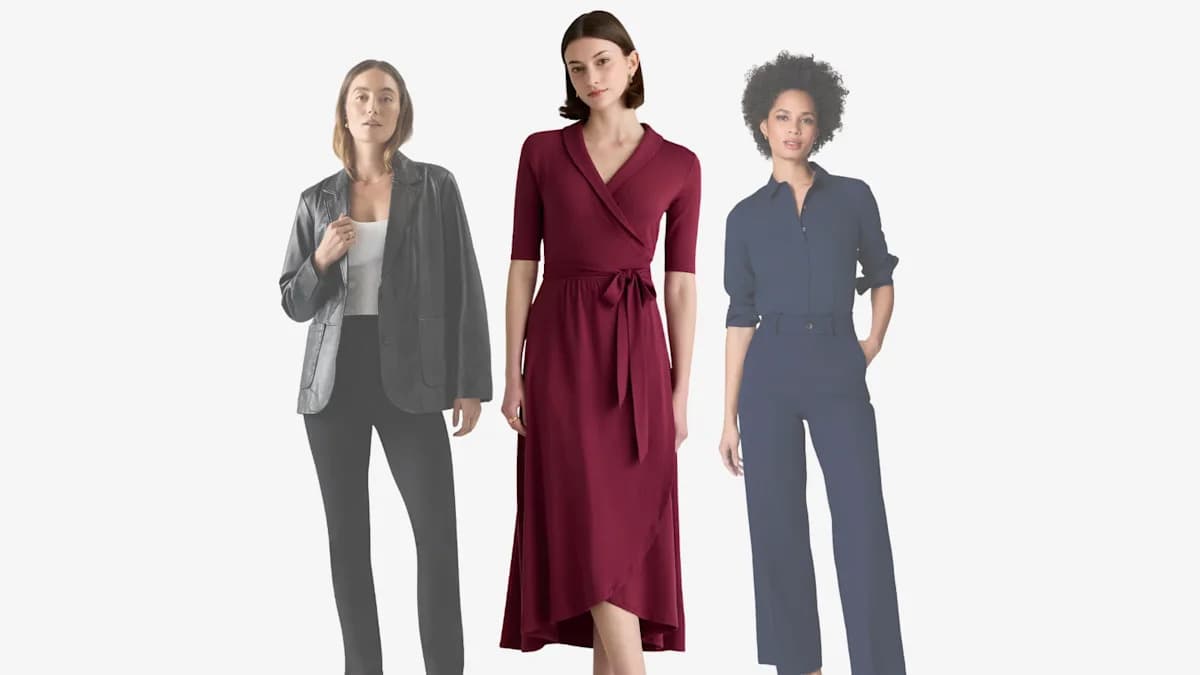
CLESSTE is selling a version of workwear that feels built for the city first. Its oversized shirting, billowing trousers, and weatherproof technical fabrics keep moving fast because they solve a real problem: how to look polished on a packed train, stay comfortable through a long day, and still be ready for rain, wind, and a late walk home. Highsnobiety has described the label as aimed at the modern “city boy,” which is exactly right, because this is utility stripped of jobsite nostalgia and sharpened for daily life.
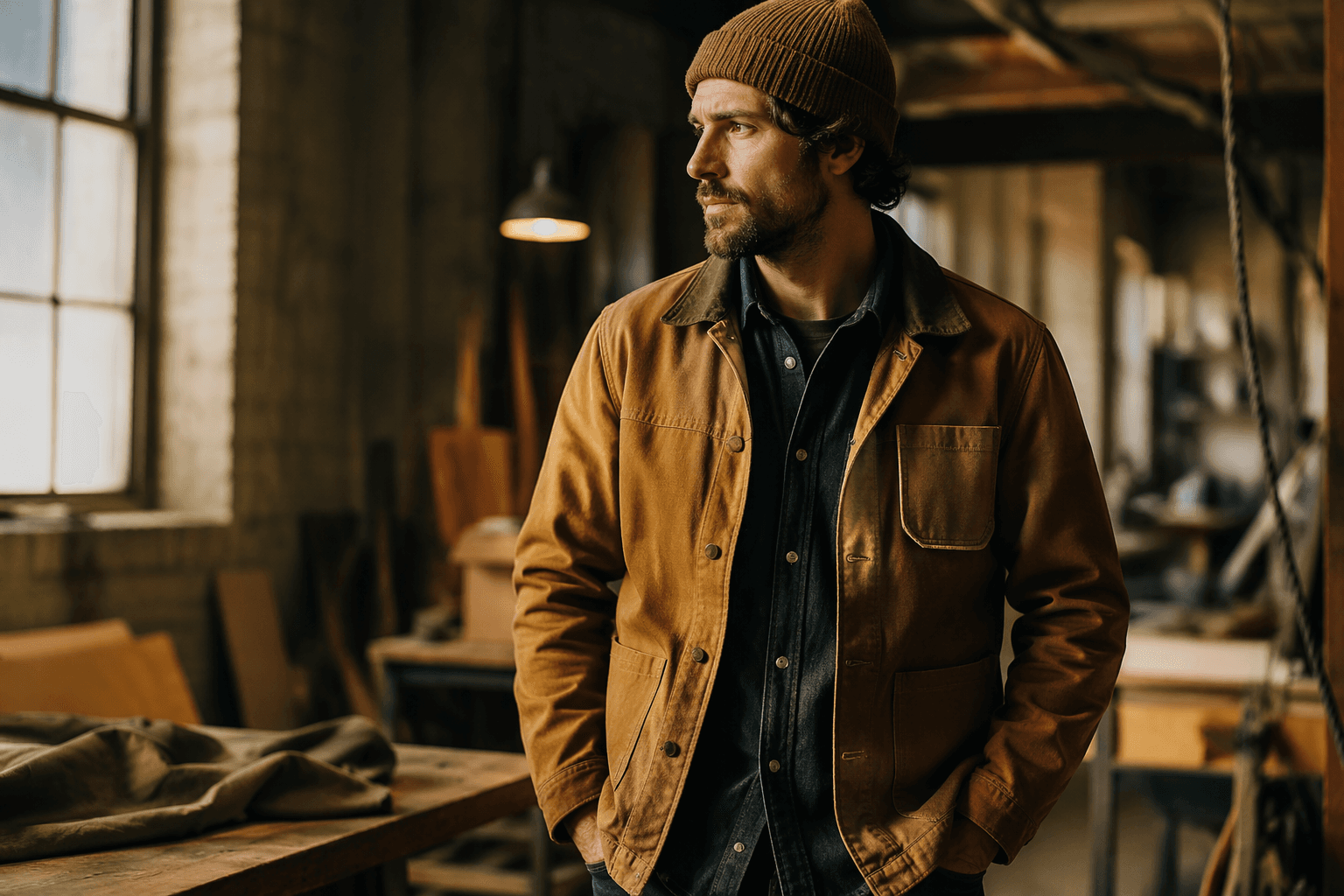
The difference is visible in the silhouette. Western workwear usually leans hard into heritage cues, think boxy chore coats, rigid duck canvas, carpenter pockets, and that sturdy, slightly stubborn fit that reads as labor first, style second. CLESSTE keeps the purpose but changes the proportions. Shirts are cut large enough to breathe, pants open up at the leg, and the fabrics are technical rather than stubborn, which gives the clothes a cleaner line and a smoother place in a modern wardrobe.
The sell-out formula is not just hype
Part of CLESSTE’s momentum comes from how easily its clothes move between settings. Oversized shirting works over a T-shirt on a commute, under a coat in cold weather, or tucked loosely into wide trousers for a sharper office-adjacent look. The generous cut is not sloppy; it creates air, movement, and layering space, which matters when your day shifts from station platform to desk to dinner.
The trousers do the heavy lifting. Billowing pants can sound like a fashion statement, but here the volume serves function. A wider leg drapes better over sneakers and boots, skims rather than clings, and makes technical fabrics feel less utilitarian than the usual work pant. Add weatherproof construction and the result is clothing that handles unpredictable city weather without looking like borrowed outdoor gear.
What to wear, and what to skip, is simple:
- Wear oversized shirting with clean outer layers so the volume looks intentional, not accidental.
- Choose wide trousers in technical fabric if you want movement and comfort without losing structure.
- Skip overly distressed, heritage-heavy pieces if your goal is city polish; CLESSTE works best when the line stays clean.
- Reach for weatherproof or abrasion-resistant accessories so the whole look feels coherent, not costume-like.
Ryo Takashima built the brand from a different kind of fashion life
CLESSTE is based in Tokyo, Japan, and it was founded by Ryo Takashima, who also oversees the multi-brand retailer PLUS 81. That matters, because Takashima did not come to fashion through the usual glossy pipeline. Born in 1992 in Shizuoka Prefecture, he worked as an architect before moving into apparel, then began freelancing in 2018. He created CLESSTE in 2022, and his combined social-media following now exceeds 300,000, which helps explain why the brand arrives with attention already attached.
That background shows up in the clothes. Architecture tends to teach proportion, restraint, and how a shape sits in space, and CLESSTE’s volume feels considered rather than exaggerated for its own sake. The brand has the confidence to let a shirt hang, a pant pool, or a bag sit oversized without tipping into chaos. That discipline is part of why the label reads as contemporary Japanese utility instead of another recycled workwear homage.
Less, but better, is the point
CLESSTE’s own language makes the philosophy clear: “CONSUME LESS CREATE MORE.” The brand frames itself around a “Better Fashion, Better Future” idea, and that is not just branding polish. It says the label aims to address the negative side of modern fashion through a sustainable cycle, made-to-order and limited production, with output kept low to avoid waste.
That approach gives the clothes a different kind of appeal from mass-market utility basics. Instead of flooding the market with easy copies, CLESSTE leans on Japanese craftsmen and manufacturers, produces domestically in Japan, and emphasizes collaboration with makers and creators in Japan and overseas. The result is a label that feels carefully built rather than endlessly replicated. In a market crowded with fast trend cycles, that kind of control reads as luxury even when the clothes are rooted in workwear.
The pieces that make the system real
CLESSTE’s current product mix shows that the utility angle is not just a mood board. The site lists items such as WINDSTOPPER by GORE-TEX LABS cargo half pants and CORDURA nylon bags, including a city-mega-pocket balloon cargo half pant and a CORDURA nylon athletic adjuster bag. Those names tell you almost everything: weather protection, hard-wearing construction, and functional storage are central, not decorative.
The cargo half pants are especially telling. Their shorter length keeps the shape light and city-friendly, while the WINDSTOPPER by GORE-TEX LABS fabric signals protection against wind and shifting weather. That makes them more versatile than the average rugged cargo pant, which can feel too heavy or too outdoorsy for daily urban wear. The CORDURA nylon bag does a similar job in accessory form, bringing abrasion resistance and practical durability into a silhouette that is still easy to carry with tailored or oversized clothing.
How to read the trend
CLESSTE’s rise says something useful about where workwear is headed. Readers do not need another nostalgia exercise dressed up as utility. They need clothes that handle the commute, layer cleanly, and survive weather without sacrificing line or style. CLESSTE has understood that better than most by taking the discipline of workwear, softening the shape, and sending it into the city with enough technical credibility to make the whole idea feel current.
That is why the label keeps selling out. It is not simply selling a look; it is selling a smarter way to dress for modern life, where the best utility pieces do their job quietly and still look sharp at 7 p.m.
This article was produced by Prism’s automated news system from verified source data, official records, and press releases, then run through automated quality and moderation checks before publishing. The system is built and supervised by the people who set the standards it runs under. Read our full AI policy.
Did this article answer your question?