Culottes emerge as spring's ideal office-ready middle ground for heatwaves
Too hot for trousers, too formal for shorts: culottes hit the office sweet spot, and the right hem, fabric, and shoe pairings make them look sharp.
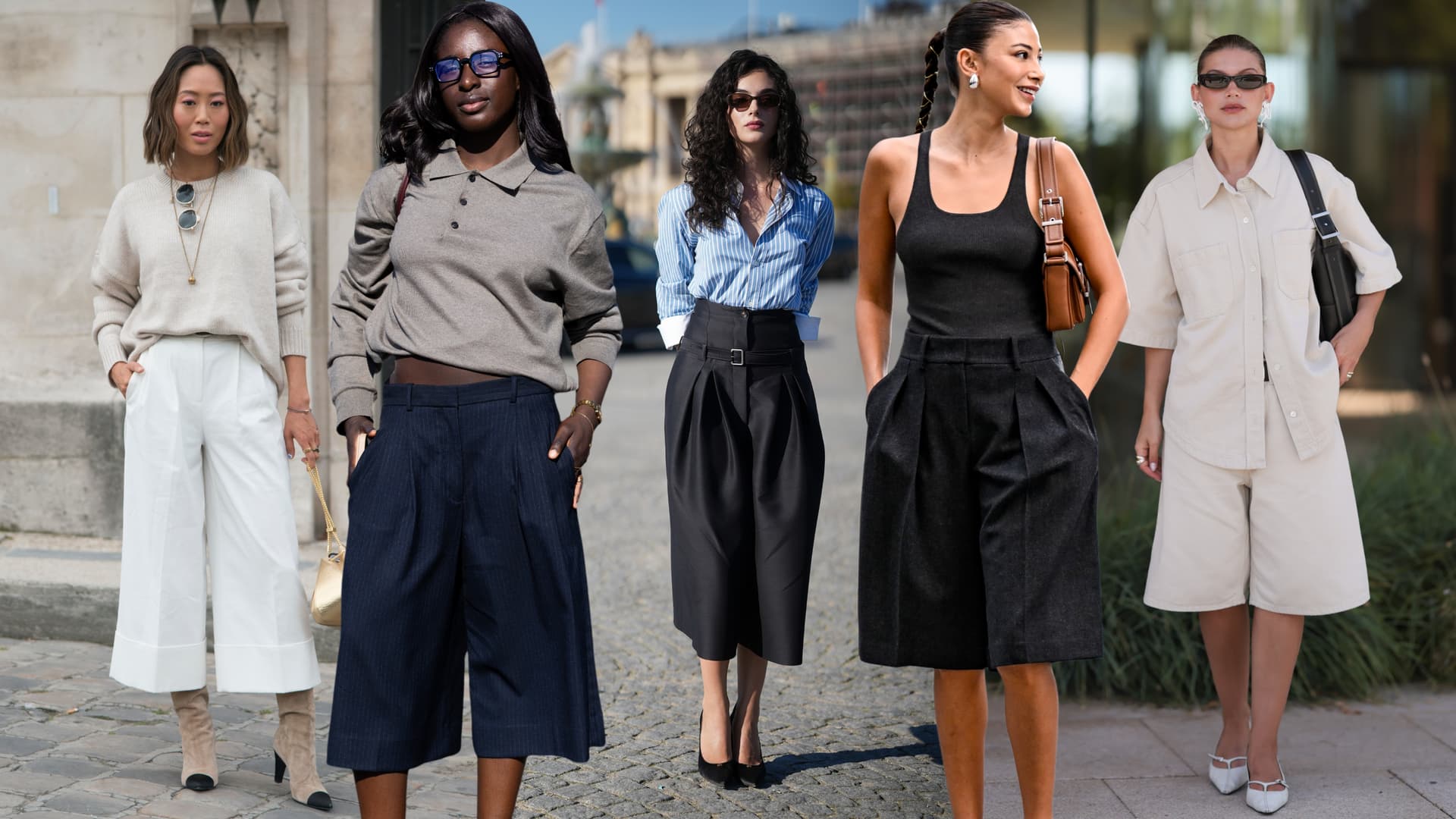
Culottes are the rare office piece that actually makes sense when the temperature climbs. They give you the coverage of a trouser, the movement of a skirt, and none of the sweat-soaked misery of full-length wool dragging around in a heatwave.
That is exactly why the shape is landing now. Marie Claire framed culottes as the perfect middle ground for those days when it is too warm for full-length pants and shorts still feel like a hard no. The larger officewear mood agrees: Who What Wear’s January 17, 2026 roundup pointed to softer layering and more relaxed dress codes, while Net-a-Porter’s PORTER said workwear is being rebuilt around oversized tailoring, office-appropriate denim, and more personality at work. This is not a return to rigid corporate dressing. It is a loosening, and culottes fit the new code better than almost anything else.
Why culottes work in the office now
The appeal is practical before it is aesthetic. A good culotte gives your legs breathing room without tipping you into weekend territory, which is the exact balancing act hot-weather office dressing demands. The silhouette reads polished because it sits inside tailoring language, but the cropped length keeps it from looking heavy or overworked.
That middle position matters more than ever because so much of 2026 workwear is about comfort without collapse. The shapes getting attention are softer, easier, and less locked-in than the old boardroom uniform, but still sharp enough to hold a blazer, a button-down, or a clean knit. Culottes slide into that zone naturally. They look intentional, not lazy, which is the whole game.
Get the length right
The difference between chic and awkward is all in the hem. For the office, the sweet spot is usually just below the knee, or a clean crop that lands around mid-calf with enough structure to look tailored, not floaty. Too short and the silhouette starts to feel like a skirt imitation. Too long and you lose the lightness that makes the whole idea work.
If you want the safest version for a formal environment, keep the volume controlled and the hemline decisive. A culotte that skims the ankle bone or stops at the narrowest part of the calf can look very polished, especially when the leg is straight or softly flared rather than overly wide. If you are pairing it with a blazer, make sure the proportions feel deliberate: cropped trousers plus a boxy jacket can read fashion-forward, but only if the fabric has enough body to keep its shape.
Choose fabrics that hold the line
Heatwave dressing gets sloppy fast when the fabric is wrong. For work, culottes should look crisp, not crinkled into submission. The best options are lightweight wool, cotton twill, tropical wool, gabardine, or a structured crepe that keeps a clean fold and moves without clinging.
Linen can work, but only if it is blended and substantial enough to resist collapse. Purely soft, drapey fabric tends to make culottes look too much like lounge pants, and sheer textures are a no-go if you want office credibility. You want matte surfaces, a pressed crease, and enough swing in the leg to feel airy without drifting into beachwear. That little bit of architecture is what lets the silhouette stay professional.
Shoes make or break the look
Culottes expose more of the leg and ankle, which means your shoes are doing real styling work. Pointed-toe slingbacks are the easiest win because they sharpen the cropped hem instantly and keep the outfit from looking blunt. Low block heels, sleek loafers, and polished mules also work well, especially when the shoe has a slim profile rather than a chunky sole.

If your office allows open-toe shoes, keep them minimal. A refined sandal with thin straps can work with a tailored culotte, but anything overly strappy starts to pull the look away from officewear and into dinner reservation territory. Sneakers can be modern with the right outfit, but they push the silhouette toward casual, so save them for more relaxed desks where the dress code already leans loose.
The best styling formulas are simple
Culottes work best when the rest of the outfit is clean and controlled. The silhouette already has volume and visual interest, so there is no need to pile on extra drama. A crisp shirt, a fitted knit, or a well-cut blazer is usually enough to make the whole look feel finished.
A few combinations that feel especially right now:
- Black or navy wool culottes with a white poplin shirt and pointed slingbacks
- Tailored beige culottes with a ribbed sleeveless knit and a sharp blazer
- Charcoal culottes with a soft button-down and loafers for an easier office
- Cream crepe culottes with a slim fine-gauge sweater and low heels for warmer days
The trick is to let one piece do the talking. If the culotte is wide, keep the top close and crisp. If the fabric is fluid, make the shoe more structured. That tension is what keeps the outfit from reading like a compromise.
The runway case for the shape is strong
This is not a random internet revival. Fforme, Max Mara, and Celine all made a case for the cropped trouser as part of the season’s tailoring story. At Celine, Michael Rider said of the spring 2026 collection, “We were thinking still in terms of foundation.” That is the right mindset here: culottes are not decoration, they are a building block.
WWD noted that Celine’s spring 2026 show took place at Parc de Saint-Cloud, about an hour by car from the house’s central Paris headquarters, and the open-air setting only sharpened the collection’s airy, grounded feel. The point was not fantasy dressing. It was tailoring that could breathe. Max Mara and Fforme arrived at the same conclusion from different angles, proving that the silhouette can sit comfortably inside serious fashion without losing its ease.
Why the shape still feels modern
Culottes also have real historical weight, which explains why they keep resurfacing whenever women’s dressing shifts toward freedom. The Metropolitan Museum of Art traces trousers and tailored suits for women back to the Bloomerite dress-reform movement in the second half of the 19th century, when pants signaled agency and social mobility in Western culture. Britannica places the American dress reform movement in the mid-19th century as well, noting that women’s pants became more common as dress and work life changed.
That history matters because culottes are not just “pants that look like a skirt.” Britannica defines them that way, and that hybrid identity is exactly why they still work. They carry the polish of tailoring, but they soften the politics of the trouser, making them feel approachable in settings where full suiting can look too stiff and shorts still feel too casual. In a season where office dressing is getting looser but still needs structure, culottes are the rare piece that can handle both heat and hierarchy without breaking a sweat.
This article was produced by Prism’s automated news system from verified source data, official records, and press releases, then run through automated quality and moderation checks before publishing. The system is built and supervised by the people who set the standards it runs under. Read our full AI policy.
Did this article answer your question?