Durable, Comfortable Capsule Wardrobe Balances Office Formality and Longevity
Build a compact, hardworking wardrobe that reads professional, feels effortless and lasts, start with four foundation pieces, choose resilient fabrics, and learn repair-forward care.

A capsule wardrobe for the office shouldn’t ask you to sacrifice comfort for credibility. The practical primer below lays out a clear path: four foundational pieces to anchor your closet, how to layer and shop for durability, and the simple care rituals that make garments earn their keep.
1. The anchors: four wearable foundations
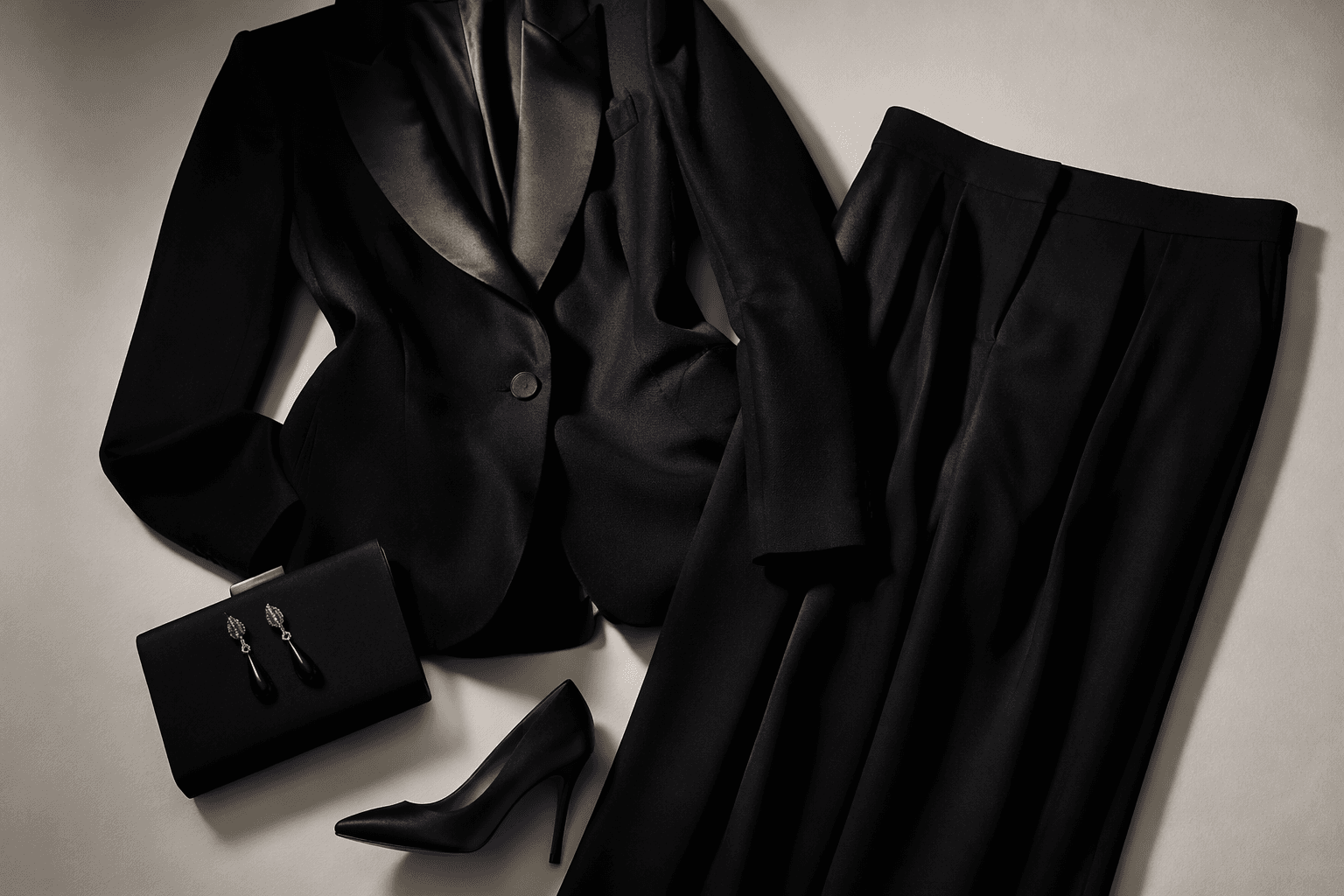
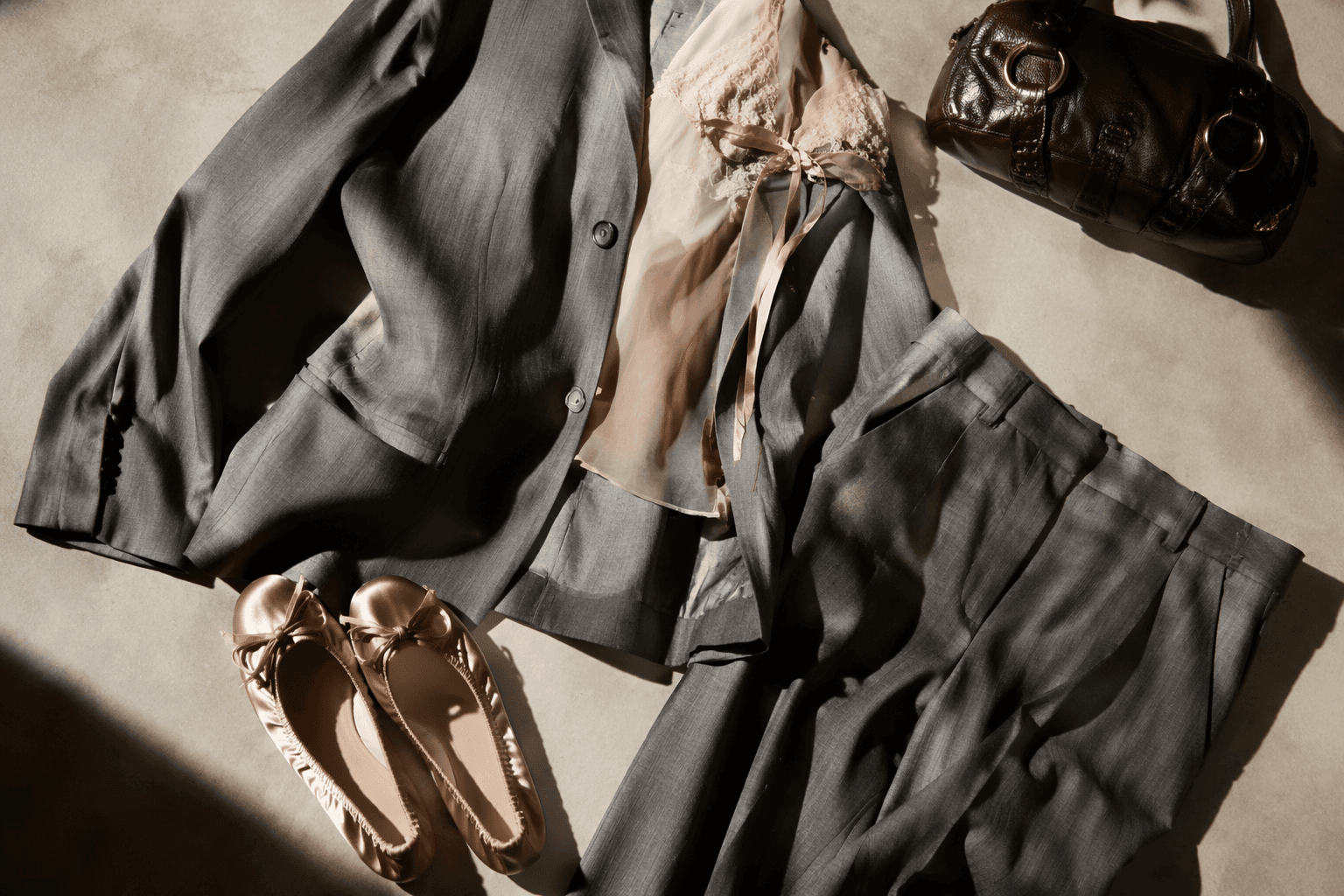
Start with four pieces that do most of the heavy lifting, a soft-shoulder blazer, a tailored trouser, a versatile knit, and a durable shoe. These foundations are curated to balance office formality with movement and wearability: the blazer supplies structure without stiffness, the trouser reads professional in meetings, the knit provides warmth and polish, and the shoe completes the look while standing up to daily commuting. Treat these as your most-worn investments; they should be neutral in color and simple in detail so everything else in the capsule pairs easily.
2. Soft-shoulder blazer
Choose an unstructured, soft-shoulder blazer cut from a midweight wool blend or sturdy suiting fabric that drapes rather than clamps. The soft shoulder preserves a professional silhouette while allowing mobility at the arms, ideal for long commutes and desk work. Look for quality details: full lining at the back for durability, reinforced seams at the shoulders, and a slightly longer length to sit cleanly over trousers and skirts. A camel, navy, or deep charcoal will hide wear and coordinate with both trousers and denim for after-work transitions.
3. Tailored trousers with longevity
Pick one pair of trousers in a tailored, slightly tapered cut that skims the ankle or hemline for a modern, office-appropriate shape. Durable suiting wool or a high-twist blend keeps the crease and resists pilling; opt for reinforced pockets and a sturdy waistband to preserve fit after repeated wear. Neutral tones, black, navy, or warm taupe, serve across seasons and reduce the need for extra pieces. Tailoring is essential: spend on hemming and waist adjustments so the trousers hang correctly; the right fit multiplies the life and perceived luxury of a simple garment.
4. The everyday knit
A midweight knit, think merino, cotton-silk blend, or a performance-friendly wool, acts as both base layer and main piece in business-casual offices. Select a crew or soft V-neck in a smooth finish that tucks cleanly into trousers or layers under your blazer without bulk. The knit should be machine-washable or easy to hand-clean and constructed with tight stitches to resist pilling. A neutral like oatmeal, navy, or black doubles as a base for pattern or color in accessories and reduces outfit decision fatigue.
5. Durable, comfortable footwear
Prioritize shoes built for long days: leather loafers, low block-heel pumps, or polished lace-ups with supportive soles. Construction matters, Goodyear-welted or stitched soles, quality leather uppers, and a cushioned insole will return more wear-per-wear than cheap substitutes. Choose finishes that hide scuffs (polished leather, brushed suede in darker tones) and a heel height you can stand in between meetings. Keep one pair for heavy rotation and one backup for variety; simple maintenance like polishing and resoling extends both life and polish.
6. Layering and outerwear for real life
An intelligent capsule includes layers that respond to temperature, travel, and changing schedules: a longline trench or wool overcoat, a lightweight blazer for meetings, and a technical umbrella-proof jacket for commute days. Opt for outer layers with clean lines and reinforced collars to resist the wear of frequent use. Choose weatherproof finishes or tightly woven fabrics that repel light rain and wind, practical features won’t betray formality when executed in refined colors and minimal hardware. Outerwear is the garment most exposed to the elements; investing here preserves what’s beneath.
7. A restrained color and pattern palette
Limit your capsule to three base neutrals (navy, charcoal, and beige or camel) plus two supporting colors that flatter your complexion. This narrow palette ensures interchangeable looks and reduces purchase mistakes. Introduce one small pattern, subtle pinstripe, micro-check, or a muted houndstooth, on a blouse or scarf to add interest without overwhelming the professional frame. The result is effortless mixing: any blazer works with any knit and most trousers.
8. Fabric choices that favor longevity and comfort
Pick fabrics that balance durability and feel: worsted wool for suiting, tightly spun cotton and cotton blends for shirts, merino or silk-blends for knits, and full-grain leather for shoes. Fabrics with natural resilience recover from creasing and maintain shape longer than cheap synthetics; blends with a small amount of elastane offer motion without losing structure. Pay attention to stitch density and seam finishing, solid construction is the backbone of longevity, and it’s visible in how collars, cuffs, and hems hold up over months of wear.
9. Fit, tailoring, and the “invisible” investments
Tailoring is the smartest spending in a capsule. A modest alteration budget, hemming trousers, nipping a waist, shortening sleeves, transforms off-the-rack into signature. Fit influences perceived quality more than labels; a blazer that sits correctly at the shoulder instantly reads polished. Keep measurements noted for future purchases and establish a relationship with a reliable tailor who understands lightweight adjustments and fabric behavior.
10. Daily care and repair-forward habits
Extend garment life with simple rituals: brush wool blazers after wear to dislodge dust, rotate shoes with shoe trees, spot-clean knits promptly, and store silks away from direct sun. Minor repairs, restitched linings, replaced buttons, resoles, are cost-effective and keep pieces in rotation far longer than discarding. Make laundering decisions based on fabric and construction: many wools and blended knits benefit from airing or gentle hand-cleaning rather than frequent machine washing.
11. Shopping strategy and budget math
Buy fewer, better things. Allocate your budget to the four anchors first, those pieces will be your highest-impact purchases. When choosing brands, compare construction details and return policies rather than chasing logos. Keep a running list of gaps in your capsule (e.g., neutral blouse, second pair of shoes) and shop with that list, which prevents impulse buys that don’t integrate.
12. Styling mixes for different office tones
Translate the capsule between conservative and creative workplaces through texture and accessory choices. For a conservative office, pair the blazer and tailored trouser with a crisp white shirt and low-heel pump; for creative settings, swap the shirt for a fine knit and ankle boot, or add a patterned scarf and polished sneaker. Use fabric and proportion to shift tone, not fussy trends, so one wardrobe can serve many professional contexts.
The point is simple: build around four reliable foundations, buy for construction and fabric, and treat clothes as tools rather than disposable symbols. A considered capsule saves time, reduces waste, and keeps you looking composed across packed schedules. Commit to fit, invest quietly in quality, and tend to your pieces, the payoff is a closet that serves the way good design should: quietly, efficiently and without fuss.
This article was produced by Prism’s automated news system from verified source data, official records, and press releases, then run through automated quality and moderation checks before publishing. The system is built and supervised by the people who set the standards it runs under. Read our full AI policy.
Did this article answer your question?