Film and TV Costume Design Drives 2026 Mainstream Workwear Trends
The Face's March 6, 2026 feature declares costume designers have reached a cultural inflection point, pushing award-season theatrics into everyday office wardrobes.

The Face’s feature published March 6, 2026 argues that costume design has crossed into the mainstream, and that claim is already reshaping what people reach for at their closet doors for work. That declaration, made explicit in the piece, frames 2026 as the year film and television wardrobes stopped living only on screen and began dictating tailoring, sleeve shapes, and accessory scale off screen.
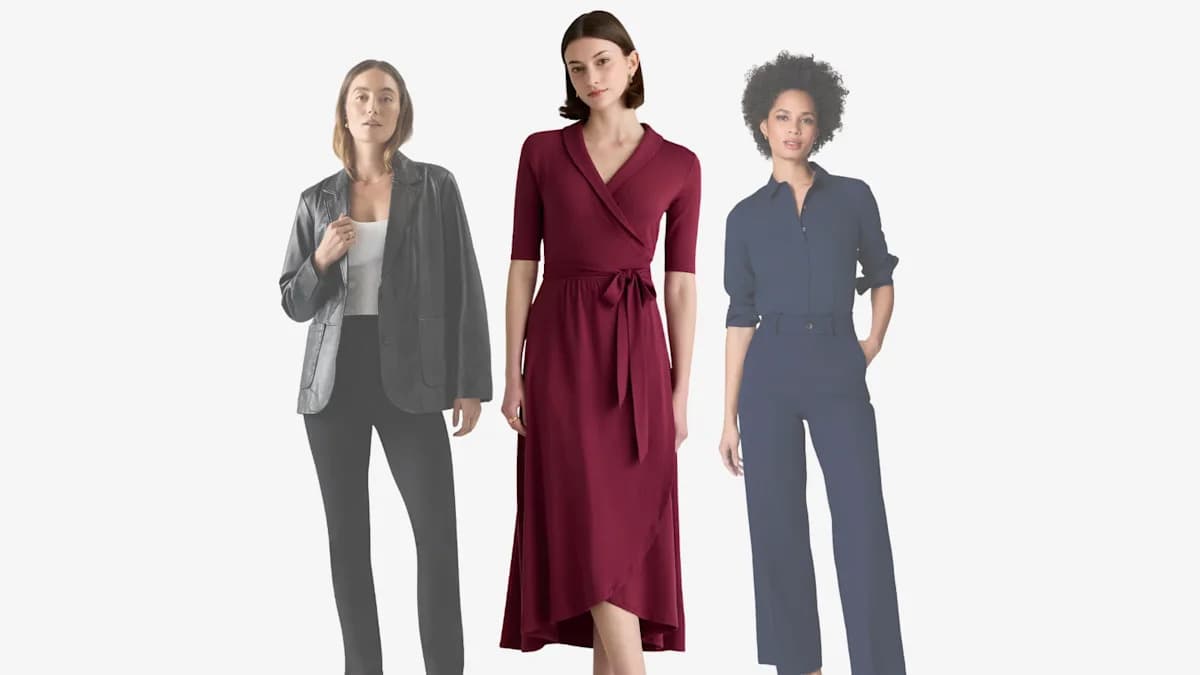
The article traces a clear vector for that change, noting award season attention earlier in 2026 that put costume designers into headlines and fashion conversations in a way that elevates their silhouettes into corporate dress codes. Award-season films and television productions have amplified single, recognizable costume moments, and The Face’s March 6, 2026 analysis argues those moments are translating into consumption. The result is visible: exaggerated shoulders, sculpted lapels, and stage-trained coats are appearing alongside classic suiting on shop floors and office doorways.
From a materials perspective, The Face’s March 6, 2026 feature highlights how theatrical fabrics are moving into day clothes, shifting expectations for texture in workwear. Fabrics historically reserved for stagecraft are being adapted into office-appropriate versions, creating hybrid pieces that borrow sheen and structure from costume archives while maintaining the wearability required for a 9-to-5 schedule. That crossover is exactly what The Face identified as the cultural inflection point in 2026.
As a fashion correspondent with a bridal and occasion-wear background, I read The Face’s March 6, 2026 piece as an explanation for current retail signals: stores are merchandising costume-inspired blazers next to technical shirting, and buyers are allocating inventory to pieces that read cinematic but photograph as pragmatic. This is not simply borrowing; it is an industry-level pivot visible in showroom orders and pressroom attention that The Face documented in early March 2026.
If The Face is correct, the implication for workwear in 2026 is concrete: expect theatrical reference points to be reworked into office codes, with costume-trained silhouette language driving proportion and finish. The Face’s March 6, 2026 feature positions costume design as a primary generator of trends this year, and that repositioning will force designers, retailers, and wardrobe-conscious professionals to translate screen drama into daily dress with an eye for proportion, fabric, and function.
This article was produced by Prism’s automated news system from verified source data, official records, and press releases, then run through automated quality and moderation checks before publishing. The system is built and supervised by the people who set the standards it runs under. Read our full AI policy.
Did this article answer your question?