Gen Z Is Rewriting Office Dress Codes With Comfort and Creative Style
Gen Z is ditching the power suit for wide-leg trousers and self-expression, reshaping what "professional" actually looks like.
The blazer-and-pencil-skirt uniform that once defined corporate ambition is losing its grip. Not because professionalism is disappearing from the office, but because a new generation of workers has decided that comfort, creativity, and authentic self-expression are not incompatible with it. Gen Z is arriving in workplaces with a fundamentally different relationship to dress codes, and the ripple effects are visible in everything from open-plan offices to HR policy documents.
The end of the suit formula
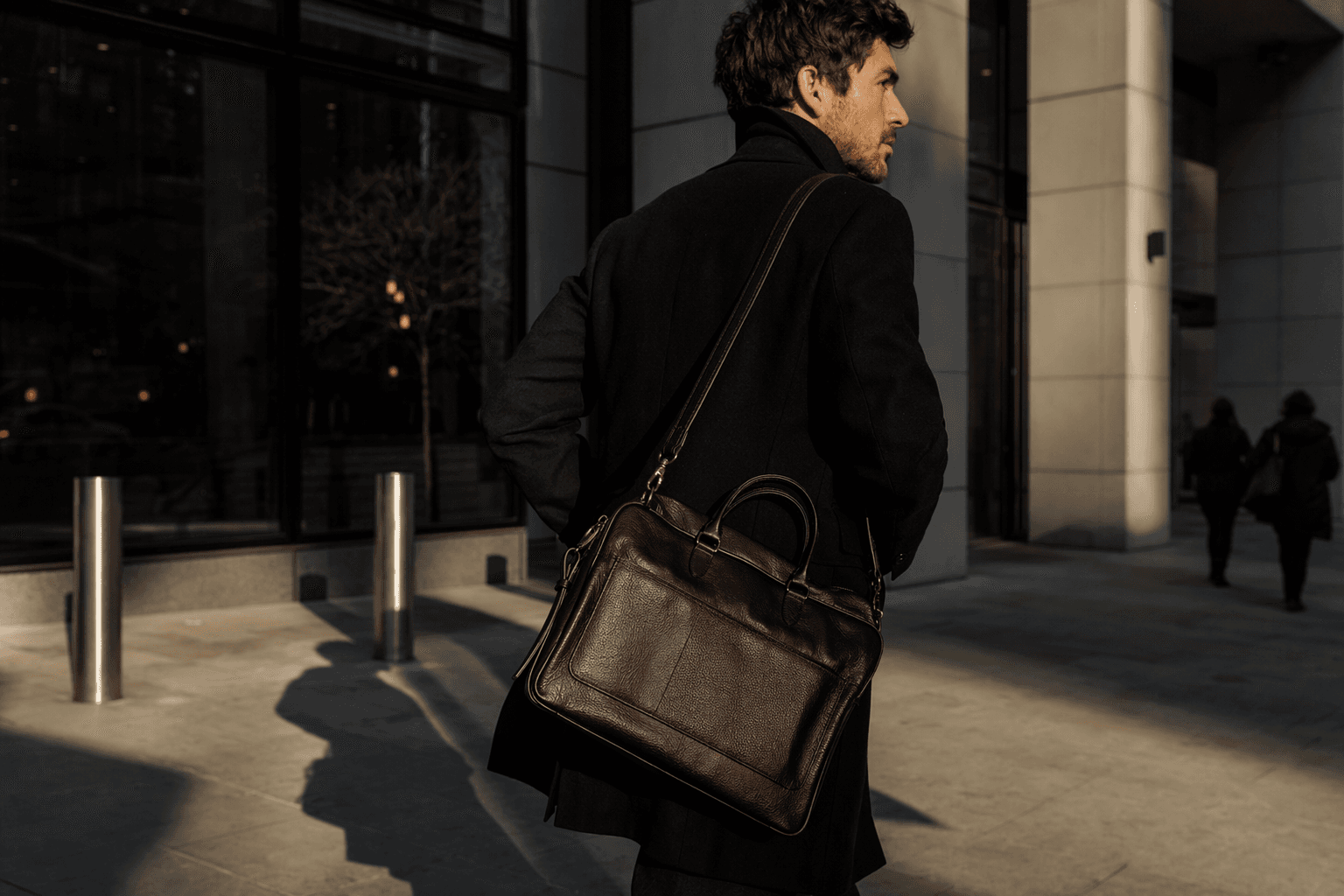
For decades, professional dress operated on a fairly legible logic: structured silhouettes signaled seriousness, neutral palettes projected authority, and discomfort was quietly accepted as the price of looking credible. Women navigated a narrow corridor between too casual and too feminine. Men defaulted to the dark suit as a kind of professional armor. The formula worked, or at least it went unchallenged, because the people entering the workforce largely accepted the terms they inherited.
Gen Z, broadly speaking, has not. This cohort entered professional life having spent formative years in athleisure, cultivating personal style through social media, and watching the fashion industry itself interrogate the relevance of traditional dress codes. When remote work briefly dissolved office dress codes entirely during the early 2020s, something shifted: people got a taste of dressing on their own terms, and many weren't willing to fully surrender it when they returned to their desks.
Comfort as a non-negotiable
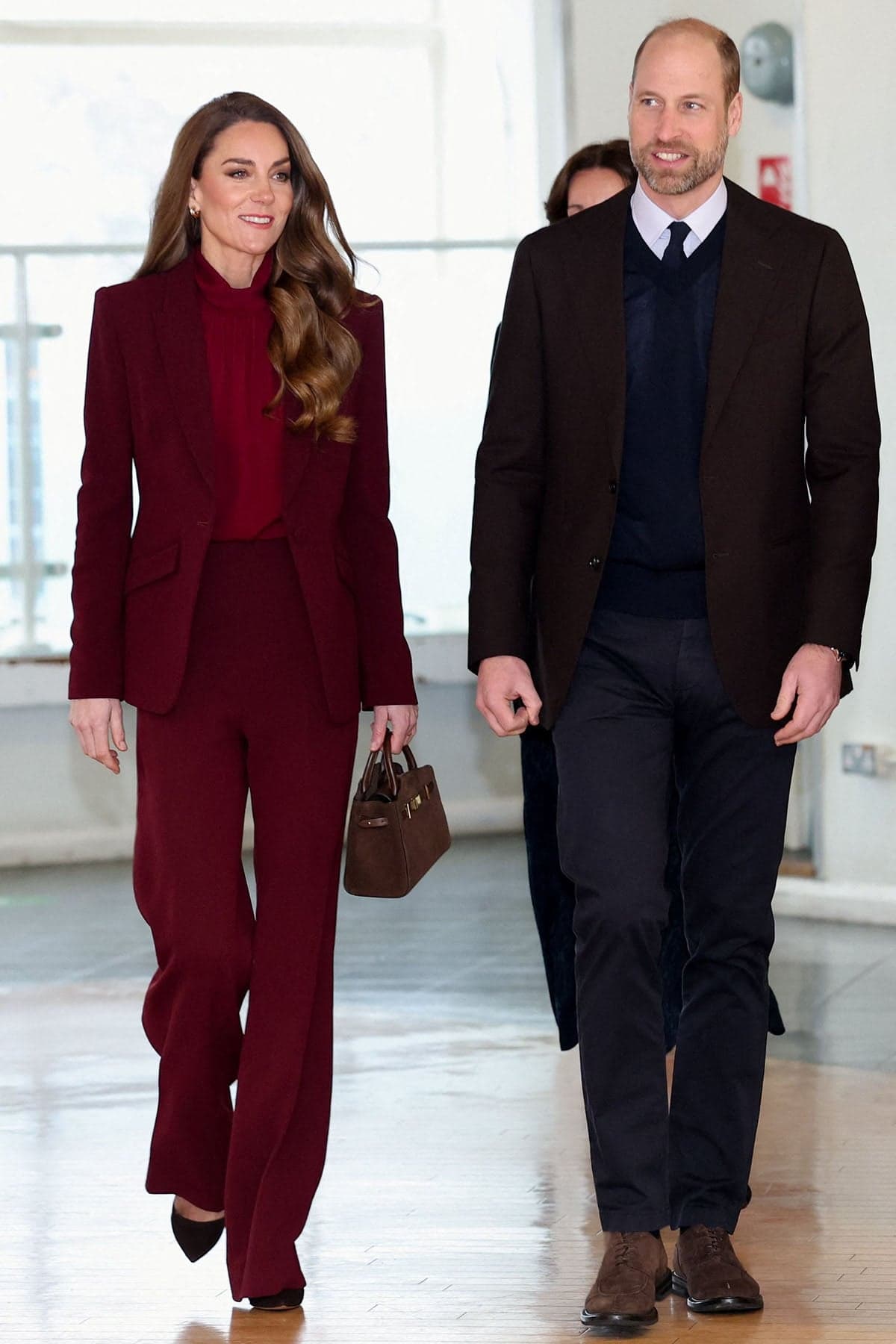
The silhouette change is the most visible signal. Wide-leg trousers, which have migrated from runway staple to everyday wardrobe anchor, are now a fixture in Gen Z professional wardrobes. The appeal is both practical and aesthetic: the cut accommodates movement, reads as intentional and polished when pressed, and sidesteps the restrictive, body-conscious tailoring that older workwear formulas relied on. Paired with a tucked knit or a structured blazer, wide-leg trousers occupy exactly the kind of middle ground Gen Z has been carving out: relaxed in feel, assembled in appearance.
Footwear has followed suit. The heel-as-professional-signifier has given way to loafers, clean sneakers, and flat mules. The logic, articulated plainly across Gen Z fashion discourse, is that physical discomfort should not be a prerequisite for being taken seriously. This isn't sloppiness dressed up in progressive language; it's a genuine recalibration of what "put-together" means when the person doing the putting-together grew up with different reference points.
Creativity as credibility
What distinguishes Gen Z's approach from a simple casualization of the office is the degree of intentionality behind it. This isn't about wearing less, or caring less. It's about wearing differently, and wearing with purpose. A Gen Z professional might arrive in a structural co-ord in an unexpected colorway, a vintage blazer styled with contemporary separates, or a print that would have been considered too expressive for a conference room five years ago. The underlying message is not "I don't care about this job." It's closer to "I care about this job, and I also care about who I am outside of it."
That insistence on authenticity is a through-line in how this generation approaches personal style more broadly. Where previous generations often maintained a sharp separation between their "real" wardrobe and their "work" wardrobe, Gen Z tends to resist the implied fragmentation of identity. The office doesn't get a different, diminished version of you. It gets you, expressed through a lens of professional context rather than replaced by a costume it demands.
Inclusivity reshaping the dress code conversation
Gen Z's rewrite of workwear isn't just about aesthetics. It's also about who the old dress codes were designed for, and who they excluded. Traditional professional dress codes were built around specific body types, specific gender presentations, and specific cultural reference points. The suit-and-tie default, the heel expectation for women, the idea that "professional" had a single, Anglo-centric visual register: these weren't neutral standards. They were choices that reflected the demographics of who was doing the designing and who was being designed for.
The push for more inclusive workwear norms is partly generational in origin but increasingly institutional in effect. More companies are revisiting dress code language to remove gender-specific requirements, accommodate a wider range of cultural dress, and explicitly move away from appearance standards that have historically disadvantaged employees who don't fit a narrow physical or stylistic profile. Gen Z's presence in the workforce has helped accelerate that conversation, not just because of their own preferences, but because they're comfortable naming the exclusions built into systems that previous generations often absorbed without comment.
How to dress the new professional standard
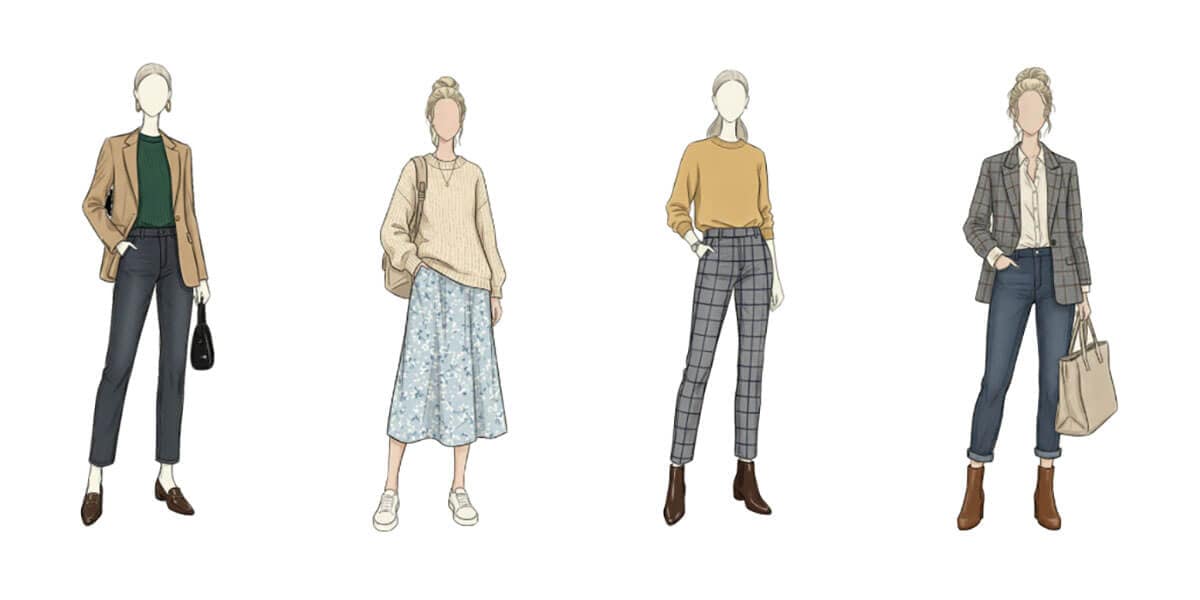
The practical result of all this is a workwear landscape that rewards thoughtfulness rather than conformity. The goal isn't to throw out structure, but to reassemble it on your own terms. A few principles that run through Gen Z's approach:
- Invest in fit over formula. A well-tailored wide-leg trouser in a quality fabric will read as professional in almost any context. The cut does more work than the convention.
- Treat color and print as a tool, not a risk. A considered color choice communicates personality; personality is not unprofessional. A cobalt blue blazer or a textured jacquard skirt can anchor an outfit just as effectively as navy or black.
- Build around pieces that move between contexts. The best workwear investments are the ones that don't feel imprisoned by the office. Separates that transition from desk to dinner, or from a meeting to a weekend market, are worth more per wear than anything bought strictly for professional duty.
- Shoes should support the day you're actually having. Comfort in footwear isn't a concession. It's a sensible decision that doesn't compromise how an outfit reads when the rest of it is assembled with intention.
Where this is headed
The shift Gen Z is leading isn't temporary, and it isn't a rejection of professional dressing as a concept. It's a renegotiation of the terms. The rising generation of workers is asking a question that the office environment hasn't always been asked to answer: why does professionalism look like this, specifically? And if the answer can't hold up beyond "that's how it's always been done," the look tends to change.
What replaces the old formula is more interesting and more varied: workwear that reflects the actual diversity of the people wearing it, that prizes creativity and authenticity alongside competence and polish. The power suit isn't gone, but it no longer holds a monopoly on what serious looks like.
Know something we missed? Have a correction or additional information?
Submit a Tip