H&M and Stella McCartney return with sustainable workwear-inspired tailoring
Stella McCartney’s H&M return puts sharp tailoring and office-ready basics ahead of hype, with 57 pieces that could actually earn repeat wear.

The return that matters is the tailoring
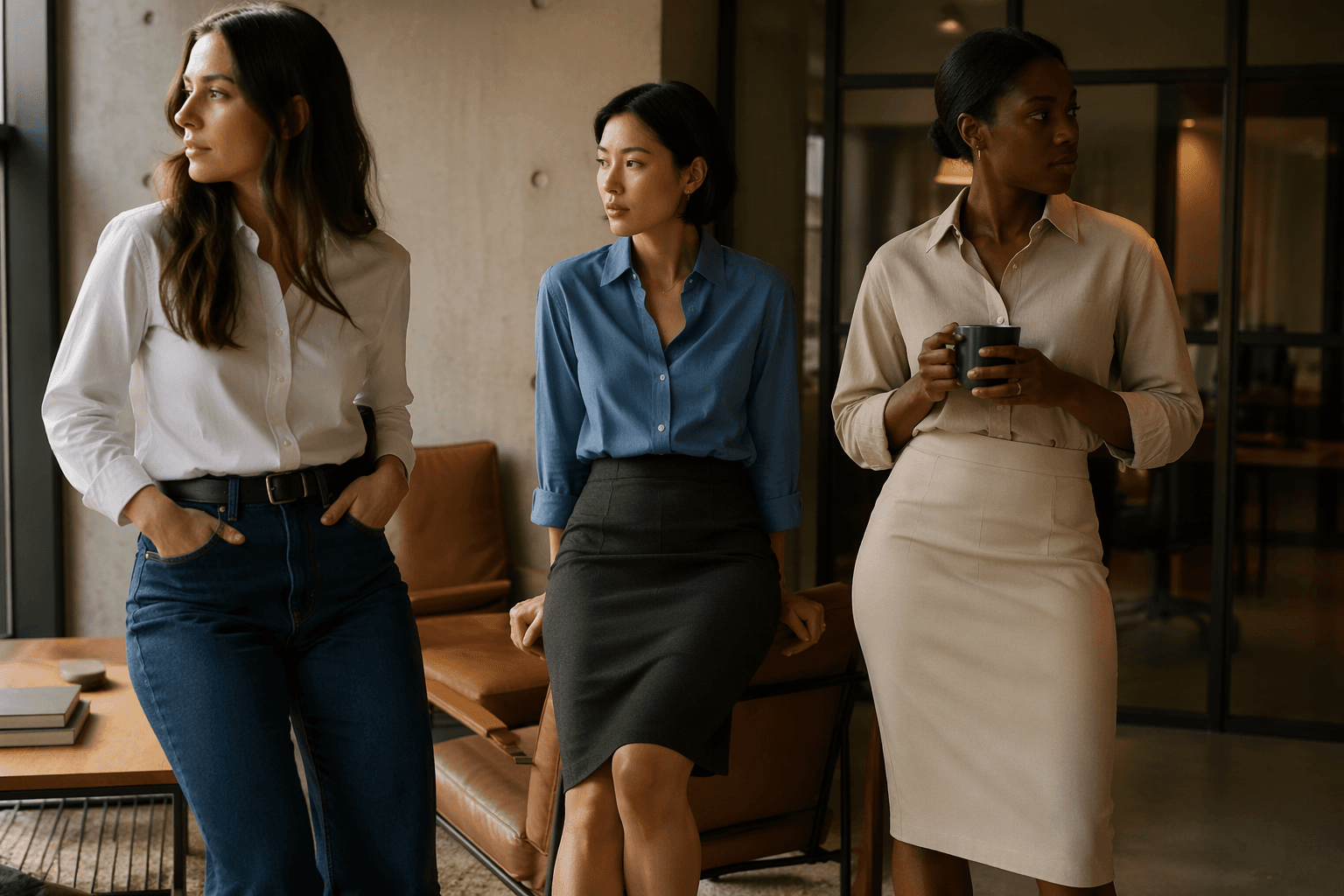
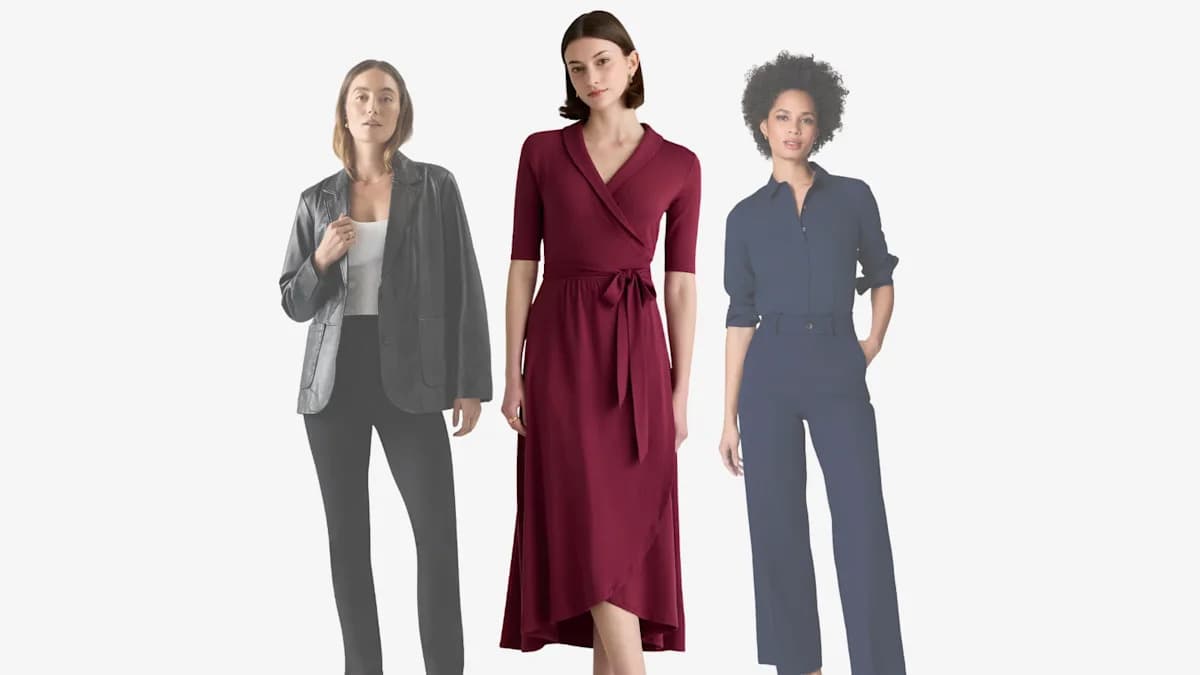
Stella McCartney has always understood that a good jacket can change the entire posture of a day, and that is why this H&M reunion feels more substantial than a typical designer drop. The 57-piece womenswear collection, arriving in selected stores and online on 7 May 2026, is built around relaxed tailoring, oversized shirting and wardrobe staples that look ready for a desk, a commute or the kind of calendar that moves from meeting to dinner.
What makes this collaboration worth a second look, 21 years after McCartney first partnered with H&M, is not just the name on the label. It is the way the collection leans into the exact clothes working wardrobes keep reaching for: a strong blazer, a baggy trouser with polish, and easy layers that do not collapse once you leave the office air-conditioning. That is a much smarter proposition than another abstract “capsule” dressed up in fashion language.
Why the 2005 comeback still has commercial weight
This is H&M’s second-ever designer collaboration, and that history matters because it gives the launch a rare kind of brand memory. The original Stella McCartney x H&M partnership in November 2005 reportedly sold out on day one, which is the kind of commercial afterlife most collaborations can only envy. Two decades later, the appetite is still there, but the buyer is more disciplined: she wants something she can wear hard, not just photograph once.
That is where the business logic clicks. H&M is not simply trading on nostalgia, it is reviving a formula that proved it could drive demand across a broader market while still carrying designer cachet. For a workwear shopper, that means the collection is not just a fashion event, it is a test of whether high-street designer partnerships can still deliver pieces with enough cut and substance to compete with the separates already hanging in a modern office wardrobe.
The tailoring is the real headline
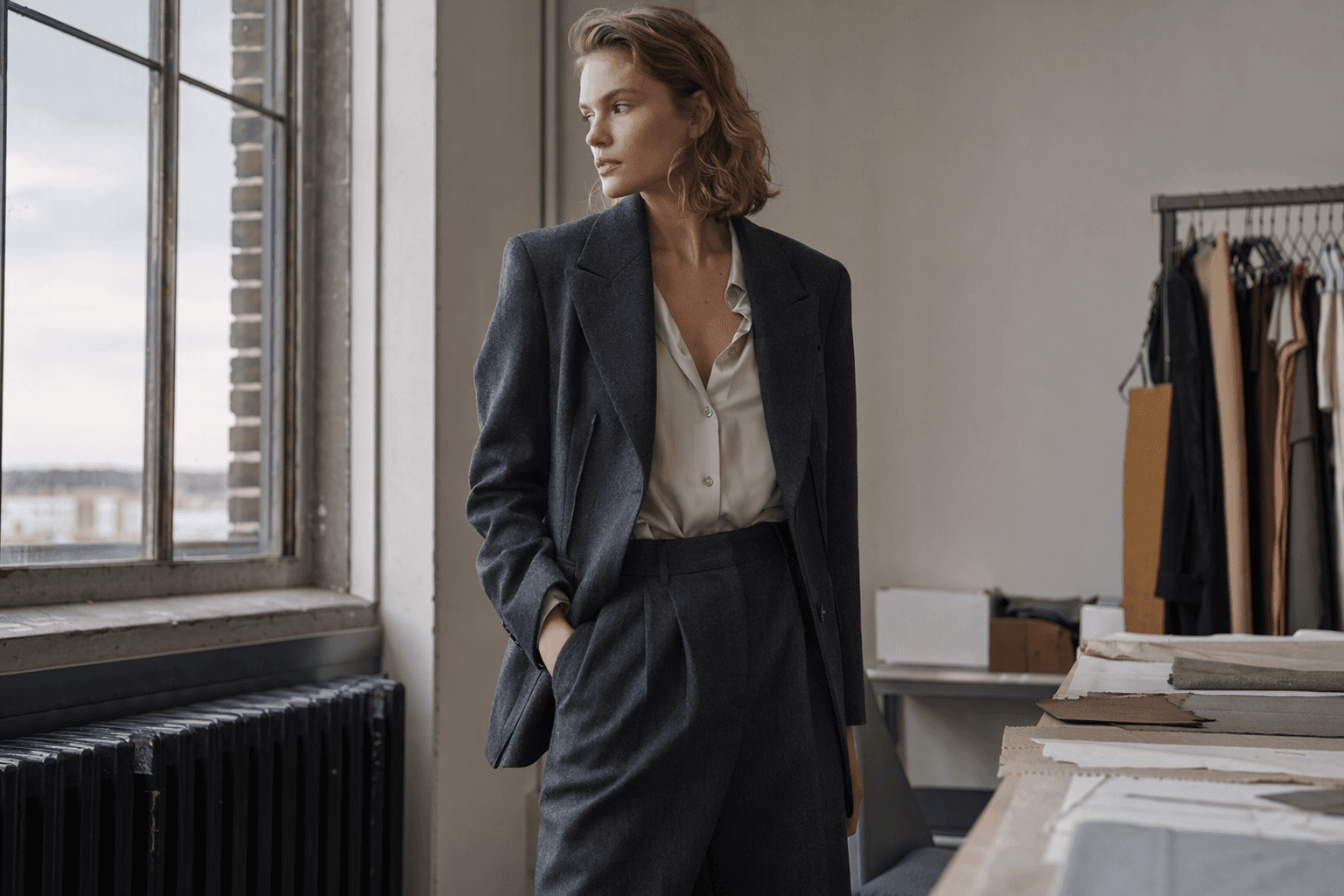
The collection’s sharpest argument is made through tailoring. H&M highlights a double-breasted blazer with matching baggy trousers, both made with wool certified to the RWS Standard, and that is exactly the sort of pairing that can do real wardrobe work. The silhouette has room through the leg, enough structure through the shoulder, and the kind of looseness that feels contemporary without drifting into slouch.
McCartney’s language has always been about precision softened by ease, and this line appears to follow that instinct rather than forcing trend for trend’s sake. Oversized shirting and relaxed tailoring are the pieces most likely to matter to anyone building a dependable work wardrobe, because they bridge the gap between formal and comfortable without looking apologetic. If the cut lands, these are the sorts of garments that can make one outfit do the work of three.
The value here is not just in the blazer-and-trouser formula, but in how it can be styled. Pair the blazer with a crisp shirt and flat shoe for the office, then throw it over a tank and denim after hours. Wear the trousers with a tight knit or a clean poplin shirt and they stop reading as “special collaboration” and start functioning as a uniform.
Where the money makes sense, and where it may not
Reported prices range from £27.99 to £229.99, which puts the collection in an interesting position. The lower end offers a relatively accessible entry point into McCartney’s design language, while the top end sits firmly in premium high-street territory. That spread suggests the strongest value will live in the tailoring and elevated basics, not in pieces bought for novelty alone.
The key question for a workwear shopper is wear count. A blazer at the upper end of the price range can still be worth it if the fabric feels substantial, the lining behaves well, and the shape survives repeated wear. A cheaper top or shirt can also be a smart buy if it slots under suits, cardigans and jackets already in circulation. The collection becomes less convincing if it is approached as a one-off fashion splash, because its best pieces seem designed to be folded into an existing wardrobe, not to replace it.
Sustainability is part of the story, not the whole story
H&M positions the line as womenswear made with recycled and certified materials, including alternatives to conventional fibres, and that framing fits McCartney’s long-running anti-fur, anti-leather stance. The designer’s 25-year house history has always been tied to those principles, so the material story is consistent with her brand rather than bolted on as marketing polish. H&M also says the collection uses selected materials with recycled content and materials made from alternative feedstocks such as industrial corn.
Still, the strongest case for the collection is not philosophical, it is practical. A sustainable story only becomes meaningful if the clothes are desirable enough to be worn often, and that is where this collaboration has a better chance than most. The tailoring, the shirting and the relaxed proportions give it an office-life logic that can outlast any single seasonal message.
H&M and McCartney also created an Insights Board, bringing together Kiara Nirghin, Amelia Gray, Susie Lau, Adwoa Aboah and Anitta with Stella McCartney and H&M topic experts. That move broadens the conversation around sustainability, animal welfare and material innovation, but it also signals that the collaboration is meant to be discussed as a system, not merely consumed as product. In other words, the clothes are being asked to carry both style and ideology.
The room, the crowd and the message
H&M marked the launch with a New York City event on 29 April 2026, attended by Reneé Rapp, Janelle Monáe, Lila Moss, Amelia Gray, Charlotte Lawrence, Mark Ronson and Yasmin Wijnaldum. That guest list tells you how the collection wants to be read: young, visible, culturally plugged in and still polished enough to speak to a broader audience than the front row. It is fashion-world noise, but the quieter story is that the pieces themselves may have the most staying power when they are worn in daylight, not under a flash.
That is ultimately why this collaboration feels relevant 20 years later. It does not just recycle the idea of designer prestige for the high street. It offers something more useful: sharp, wearable clothes that can slot into real lives, with tailoring strong enough to justify the name and enough restraint to make the wardrobe math work.
This article was produced by Prism’s automated news system from verified source data, official records, and press releases, then run through automated quality and moderation checks before publishing. The system is built and supervised by the people who set the standards it runs under. Read our full AI policy.
Did this article answer your question?