Houston Rodeo Tightens Dress Code After Viral Videos Spark Backlash
The Houston Livestock Show and Rodeo issued its first-ever mid-event dress code after an influencer's video drew 2 million views and carnival fights forced an early shutdown of the grounds.

The "clubification" of RodeoHouston didn't happen overnight, but it took a single influencer video racking up over 2 million views to push a 94-year-old institution into doing something it had never done before: rewrite its Guest Code of Conduct while the event was still running.
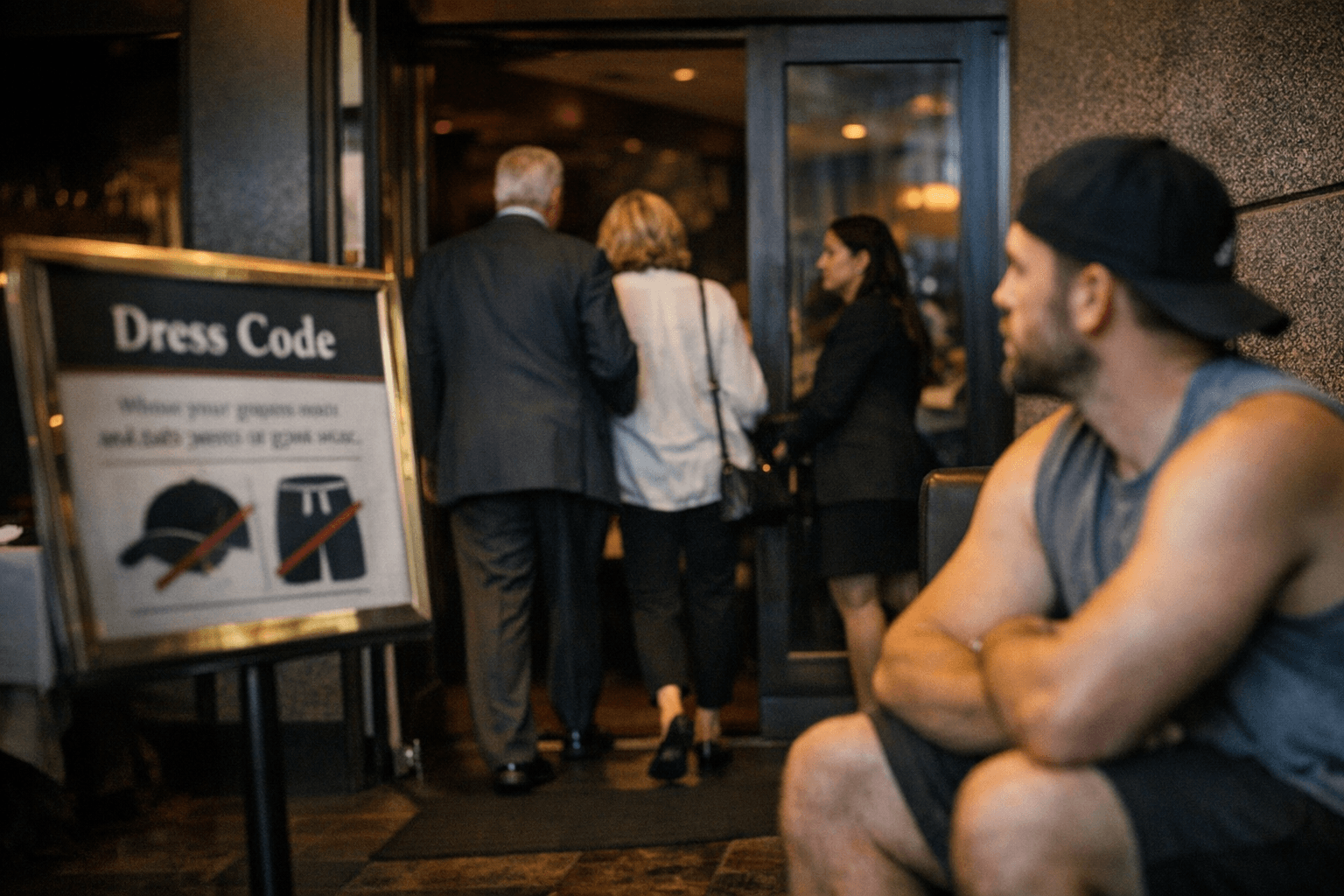
The Houston Livestock Show and Rodeo, one of the largest annual gatherings in the country with more than 2 million visitors, announced the emergency policy overhaul on March 17 as the final week of its three-week run at NRG Park got underway. The updated code banned clothing that "exposes excessive portions of the skin," visible undergarments, excessively torn clothing, items with obscene language or graphics, and gang-affiliated attire. Anyone refusing to comply would be escorted off the grounds; no refunds would be issued.
The flashpoint was influencer Olivia Juliana, whose video critiquing the revealing outfits circulating on social media went viral with more than 2 million views. Content creator Jules Renee's TikTok, which logged over 140,000 views with a text overlay reading "Houston Rodeo 2026: Crowded, overpriced, too many ass cheeks, messy behavior," added fuel. The internet had already landed on a term for what it was watching: the "clubification" of the rodeo.
The situation had escalated well beyond wardrobe debate by that point. Multiple fights broke out on March 14, with footage showing large groups running through the carnival grounds as security officers intervened to break up physical altercations. The carnival shut down early as a precaution. That sequence, outfits first, then fights, framed the dress code update as both a cultural response and an operational necessity.
Chris Boleman, president and CEO of the Houston Livestock Show and Rodeo, acknowledged the year had been notably different. "Just seem to be more outfits that don't fit the family-friendly profile that events like ours use," he said. "This is something we felt we had to clarify because we've had more concerns, complaints and questions about the dress code than in previous years." On where exactly the line falls, since the updated policy contains no specific hemline measurement, Boleman kept it practical: "You know it when you see it."
Enforcement falls to multiple trained teams working the gates. Rodeo officials declined to say how many people had actually been turned away under the new rules. Guests willing to change were permitted entry; those who refused were not.
What HLSR's scramble exposes is how quickly public pressure can collapse the institutional timeline. A problem that would historically surface in a post-event debrief became a live operational crisis, resolved in real time at the scale of 2 million ticket buyers. The rodeo explicitly aligned its new standards with major theme parks and other family-oriented venues, a positioning choice that signals exactly where HLSR sees its audience and its brand. For large institutions managing appearance standards in hospitality-adjacent environments, the Houston situation is now the case study: dress codes, once assumed, now require documentation, enforcement infrastructure, and a real-time plan for when the internet starts filming.
Know something we missed? Have a correction or additional information?
Submit a Tip