Indian Women Redefine Power Dressing With Softer Shoulders, Fluid Fabrics
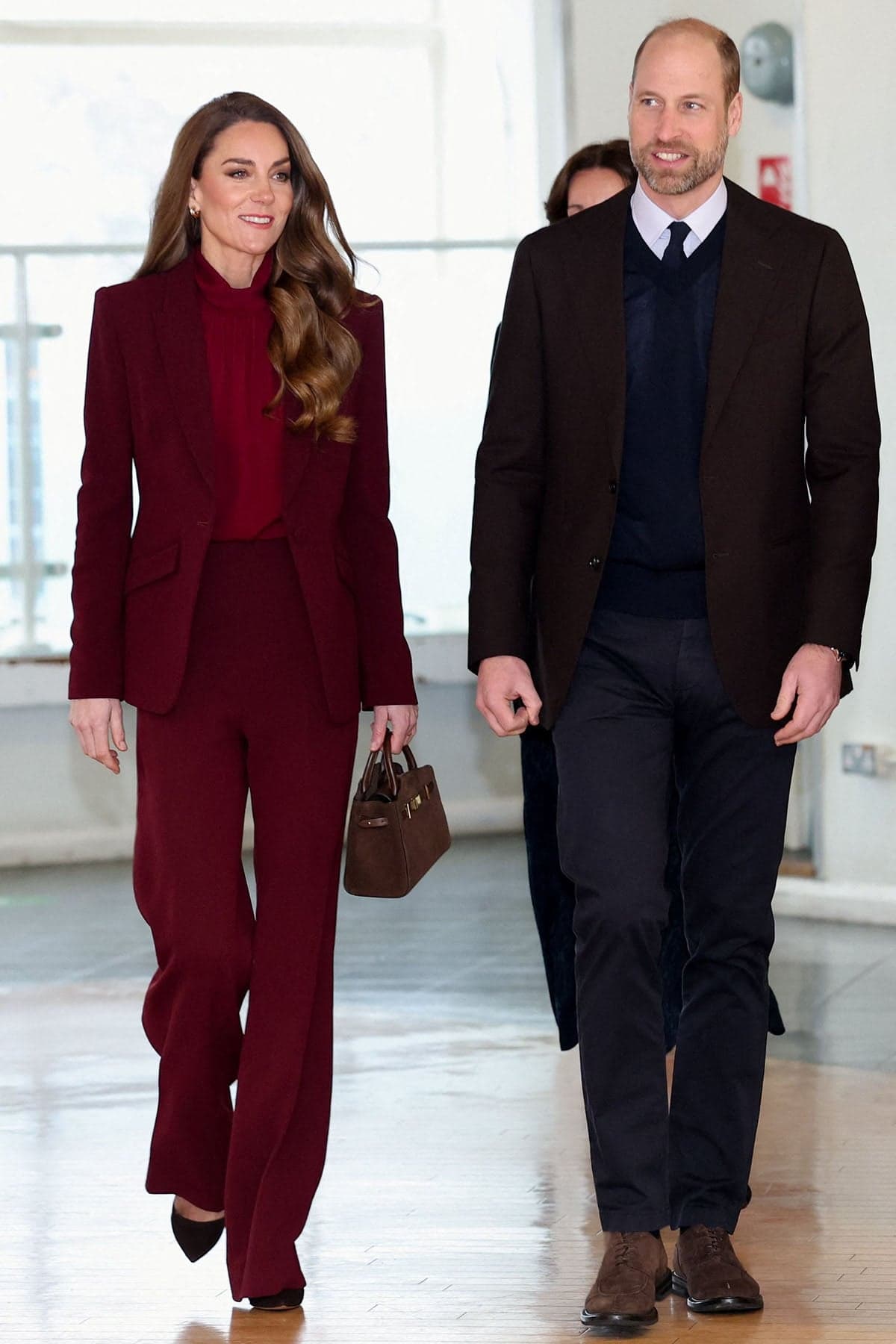
ELLE India’s Feb. 27, 2026 feature by Chiara Dutta names a clear sartorial shift: a plural, hybrid power suit with softer shoulders and fluid fabrics is replacing strictly gendered tailoring.

Chiara Dutta’s ELLE India feature dated February 27, 2026 frames this season’s strongest message: power dressing in 2026 is being rethought as a plural, hybrid proposition rather than a single, gendered uniform. The piece argues that designers and stylists are softening shoulder lines and privileging fluid fabrics to create a new professional silhouette, in Dutta’s wording, a move away from strictly gendered tailoring toward a plural, hybrid notion of the power suit, with softer shoulders and fluid fabrics.
That visual pivot translates into garments that read less like armor and more like movement. Where pad-shouldered suiting once read as authority, the language now favors softened shoulders that suggest ease rather than confrontation, and fabric choices described by ELLE as “fluid fabrics” that drape and shift with the wearer. Chiara Dutta’s coverage on February 27, 2026 illustrates how those two details - shoulder treatment and fabric weight - are doing the heavy lifting in boardroom wardrobes this year.
The sartorial shift sits alongside broader social change. An essay in the International Journal of Social Impact titled The Silent Revolution: How Women are Redefining Their Roles in India (ISSN: 2455-670X) documents what it calls “a quiet but powerful revolution.” The IJSI essay’s section headed 1. ECONOMIC EMPOWERMENT notes that “one of the most profound changes in recent years has been the increasing economic empowerment of Indian women,” and the sub-heading a. Education specifies that “the growing emphasis on education for girls and women has been instrumental in their economic empowerment.” The journal locates this momentum “in the bustling metropolises, the rural hinterlands, and the remote villages of India,” suggesting the cultural ground for the new power suit extends beyond a single city.
ELLE’s fashion framing and IJSI’s social analysis converge on one idea: clothing follows change. ELLE India’s asset map for the feature, including banner-48 dated 2026-02-27, underscores the editorial push to position this as a defining 2026 trend, while the IJSI closing lines insist the shift is driven by “education, economic independence, legal reforms, and the collective strength of millions.” Those specifics explain why softer shoulders and fluid fabrics feel not merely aesthetic but consequential.
If ELLE’s February 27, 2026 feature names the trend and the International Journal of Social Impact (ISSN: 2455-670X) names the engine, the practical effect is clear: the power suit is becoming a diagnostic of social progress. The IJSI essay concludes that “the silent revolution is not so silent after all; it is the resounding voice of change echoing,” and in fashion terms that resounding voice is taking the form of hybrid suiting that reads as authority reimagined for an India in motion.
Know something we missed? Have a correction or additional information?
Submit a Tip