Industry's Corporate Style Is Redefining Power Dressing for Modern Professionals
The BBC drama Industry is driving a sharp corporate style revival, fusing 1990s tailoring with softer modern fabrics into a look redefining power dressing.
Few television wardrobes have landed with quite the force of Industry's latest season. The BBC drama, already known for its unflinching portrait of young bankers navigating the brutality of high finance, has quietly become one of the most influential style documents in contemporary fashion, its costuming now cited as a driving force behind a full-scale renaissance in power dressing.
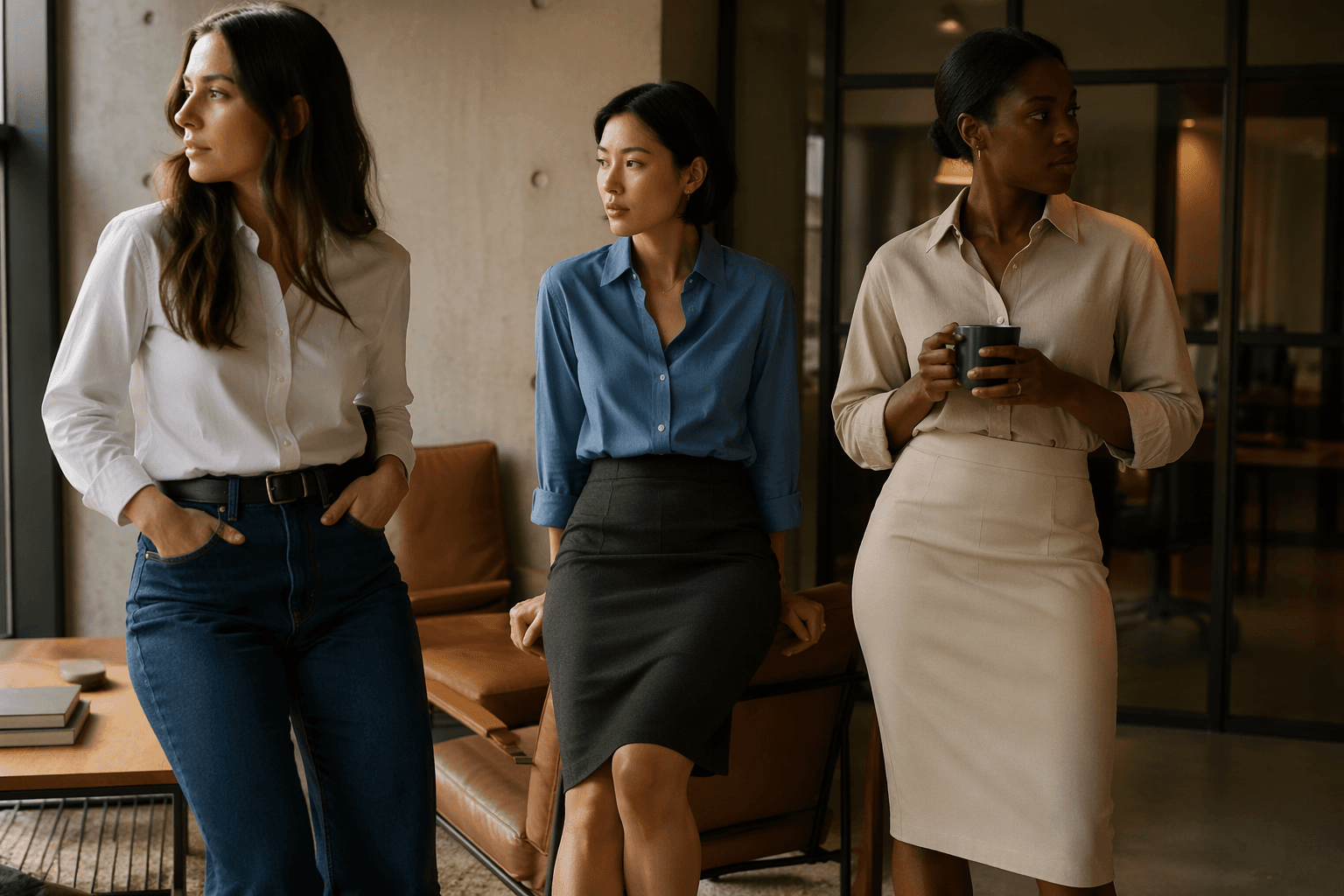
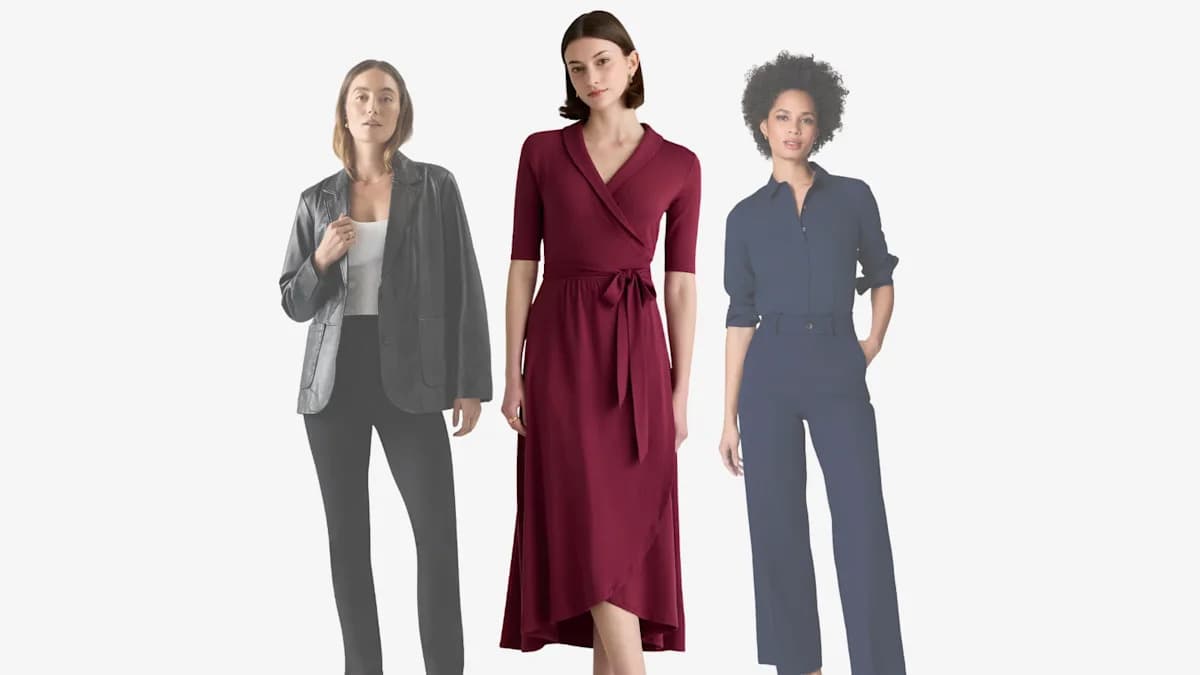
What the show's costume team understood intuitively is something designers have been circling for several seasons: the office is not dead, but it has changed. The silhouettes threading through Industry's most recent run draw deliberately on 1990s tailoring, that era's love of sharp shoulders and structured suiting, while undercutting the severity with fabrics that breathe and move. The result is a corporate aesthetic that reads as formidable without feeling like armor.
This fusion matters because it resolves a tension that has defined workwear conversations since the pandemic scrambled professional dress codes entirely. The 1990s reference point is not nostalgic window dressing. It carries genuine weight: clean lapels, precise cuts, and a return to the idea that clothes worn to work should signal authority before a word is spoken. But layered over that architecture are softer contemporary fabrics, the kind that acknowledge a professional life lived across meetings, commutes, and everything in between.

The influence has moved beyond the screen in measurable ways. By early 2026, the show's aesthetic had filtered into the broader fashion conversation around power dressing, with its particular calibration of sharpness and softness becoming a reference point for anyone rethinking what professional authority looks like today.
What Industry has done, more than any trend report or runway moment, is give a specific visual grammar to an instinct that was already building: that the most compelling professional style right now is neither the performative casualness of the athleisure era nor the rigid formalism of decades prior. It is something more considered, more layered, and far harder to dismiss.
This article was produced by Prism’s automated news system from verified source data, official records, and press releases, then run through automated quality and moderation checks before publishing. The system is built and supervised by the people who set the standards it runs under. Read our full AI policy.
Did this article answer your question?