Makita Expands Beyond Power Tools With a Complete Trade Workwear Collection
Makita tapped Castle Clothing, makers of TuffStuff, to build a head-to-toe trade workwear line covering everything from base layers to safety boots.
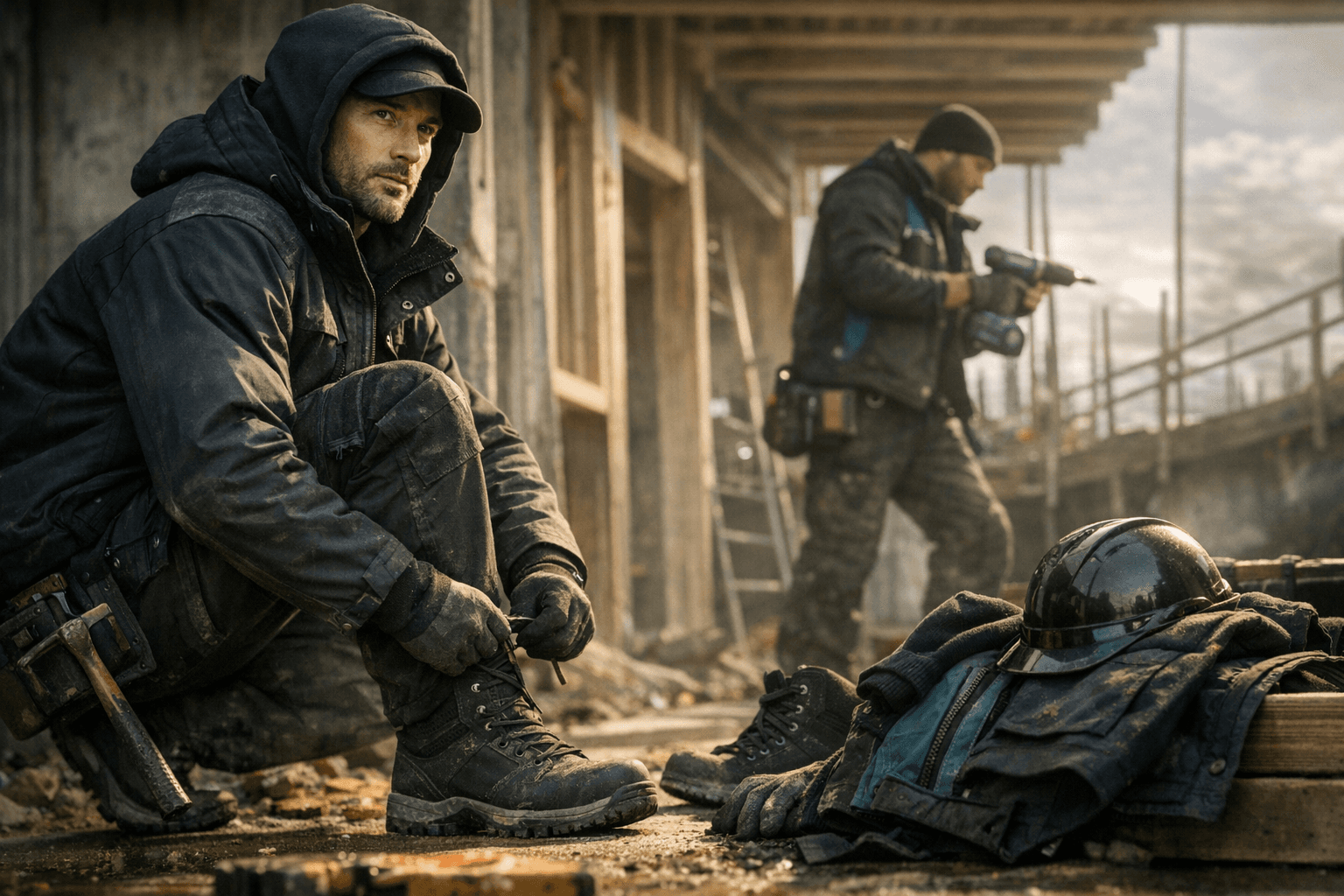
The brand logo on your drill is now on your trousers. Makita, the Japanese power tool manufacturer whose teal-and-black identity has been a jobsite fixture for decades, launched a complete head-to-toe workwear collection at the end of March, making one of the most deliberate brand-extension plays in the trade sector in recent years.
The move carries real manufacturing credibility behind it. Makita partnered with Castle Clothing, the British workwear company founded in 1971 that also makes TuffStuff Workwear. That 55-year pedigree in trade clothing is not incidental; it is the structural argument for why this collection is more than a logo-licensing exercise. Castle Clothing built the range to trade specification rather than adapting lifestyle apparel for site use, which is the quiet failure mode of most tool-brand apparel crossovers.
The collection spans the full working day: base layers, work trousers, shorts, outerwear, and safety footwear. Crucially, it includes dedicated womenswear sizing, an acknowledgment of a gap that older incumbents in the category, including DeWalt Workwear and Caterpillar's apparel arm, have been slow to fill properly. Carhartt has long owned the aspirational end of trade workwear in the United States, but the British and European market has operated with less brand coherence. Makita is betting its existing loyalty among electricians, plumbers, and carpenters converts directly into apparel sales once the quality holds up on site.
What distinguishes a Castle Clothing-built product from generic branded merchandise is the design brief: abrasion resistance at high-wear contact points, articulated fit that accommodates kneeling and overhead reach without pulling, and pocketing arranged for trade use rather than fashion symmetry. TuffStuff's existing range carries that reputation among UK tradespeople, and the Makita line draws from the same design logic.
The strategic logic here extends beyond product. Tool brands have watched their most loyal customers, particularly younger trade professionals, treat workwear as identity signaling in the same way they treat tool brand allegiance. DeWalt's workwear arm, sold through the same tool stockist network that carries its drills and impact drivers, proved the distribution model works: if a contractor trusts a brand with a £400 combi drill, the threshold for buying a £60 pair of work trousers under the same name is considerably lower. Makita's collection is positioned to move through the same channels.
For a tradesperson weighing the decision on site, the calculus is practical. A collection developed by Castle Clothing starts with a manufacturer that has been dressing tradespeople since before cordless tools existed. The womenswear sizing signals that the range was designed for the actual workforce rather than retrofitted from a male template. Whether the price-per-wear arithmetic holds up against established players like Snickers or Engelbert Strauss will depend on how the fabrics perform past the first few months of daily use. Castle Clothing's track record with TuffStuff suggests the construction is serious. The Makita name will bring the foot traffic.
This article was produced by Prism’s automated news system from verified source data, official records, and press releases, then run through automated quality and moderation checks before publishing. The system is built and supervised by the people who set the standards it runs under. Read our full AI policy.
Did this article answer your question?