Momotaro reworks raw denim into a sleek everyday uniform
Momotaro takes raw denim out of nostalgia and puts it to work. The result is a cleaner, sharper indigo uniform with real craft behind it.

The new indigo uniform
Momotaro’s latest direction is less about preserving raw denim in amber and more about making it useful every day. The brand’s appeal now lies in architectural cuts, quieter detailing, and an indigo that feels disciplined rather than theatrical, which is exactly why it reads as modern workwear instead of costume.
That shift matters because it keeps the grit and credibility people want from Japanese denim while stripping away the purist stiffness that can make raw jeans feel like a hobby project. Momotaro is not chasing the museum version of workwear; it is building a uniform that can move from commute to office to weekend without looking like it is trying too hard.
What Momotaro is really selling
Momotaro Jeans says it was born in Kojima, Okayama Prefecture, and the brand ties that origin to more than nostalgia. Its own story links the label to Jeans Street, Kojima, and the protection of the Seto Inland Sea, which gives the jeans a stronger sense of place than most premium denim brands manage. The message is clear: this is workwear rooted in a specific textile district, not a generic “heritage” product with a Japanese name attached.
The company also says jeans started as workwear and later became a wardrobe staple, but that there is still untapped value in denim fabric. That philosophy explains the current design language. Instead of treating raw denim like a rigid relic, Momotaro treats it like a base layer for contemporary dressing, one that can be refined without losing its workwear backbone.
Why the fit feels different now
The biggest change is in the silhouette. Old-school raw denim purism often leans on heavy fabric, stubborn break-in periods, and a kind of rigid authenticity that can read as self-conscious. Momotaro’s newer approach, framed by Hypebeast as a move toward “architectural cuts and stealthy details,” suggests a cleaner line through the leg, a more deliberate shape, and less visual noise.
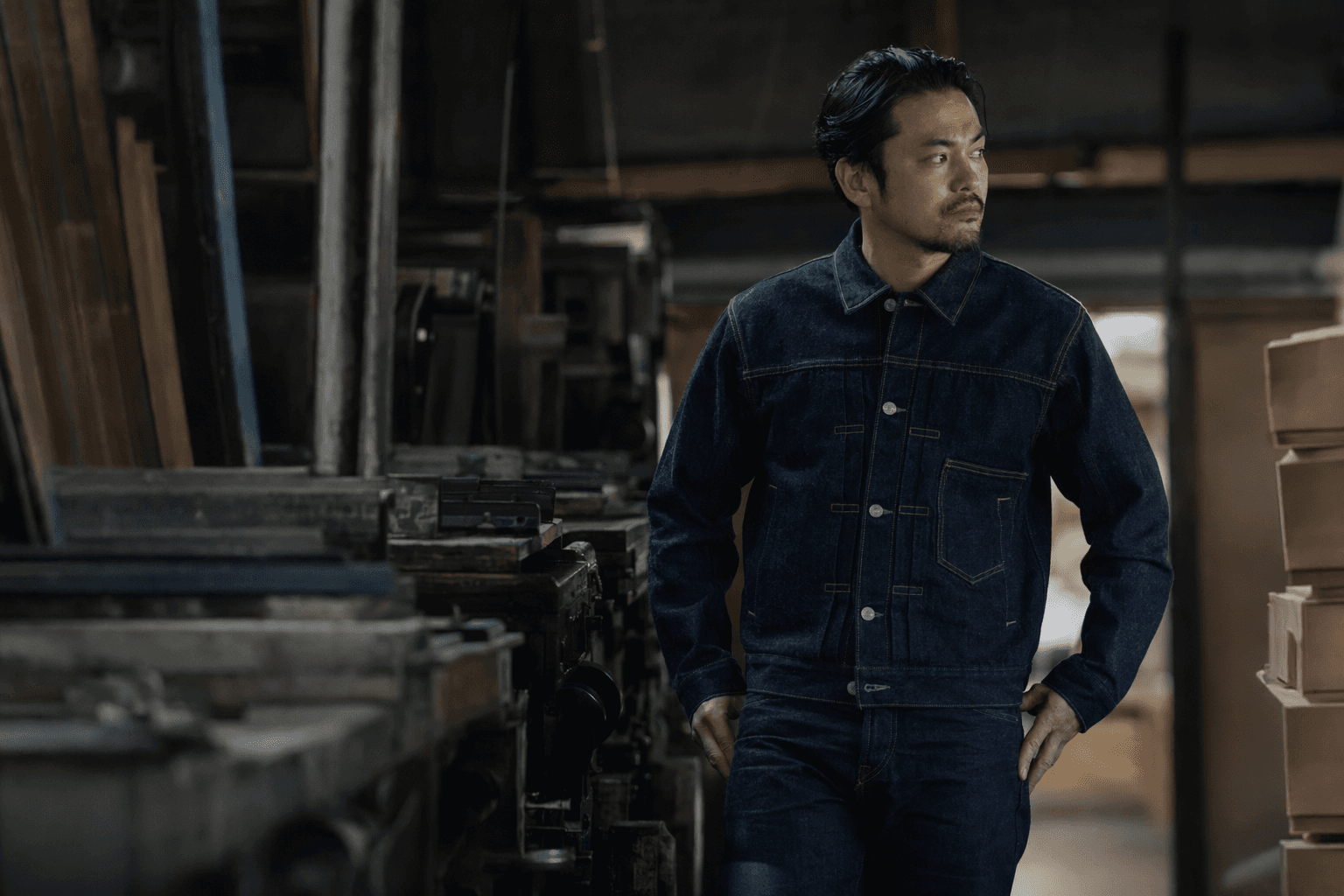
That makes the jeans easier to wear with everything else in a modern wardrobe. The fit is doing the heavy lifting now, not just the fade pattern or the idea of endurance. In practical terms, that means the jeans can anchor leather shoes, knitwear, overshirts, or a sharp jacket without looking like they belong only in a raw-denim archive.
Finish over flash
Momotaro’s hallmark is “ - TOKUNO BLUE,” a deep indigo color and unique texture achieved through multiple dyeing processes. That kind of finish gives the jeans depth before they ever start fading, so the color reads as rich and dense rather than flat. It is the sort of denim that looks expensive even before you notice the stitching.
The brand’s emphasis on dye beauty and sewing quality reinforces that impression. In a 2024 AFP-reported interview, Japan Blue president Masataka Suzuki said the company is “very strict about all aspects of manufacturing,” including sewing quality and dye beauty, and that it relies on local craftspeople. That rigor shows up in the finished product: the denim feels engineered, but not overworked.
The price tells you what kind of denim this is
The price range puts Momotaro firmly in premium territory. AFP reported that a standard pair costs around 30,000 yen, silk-blend pairs cost 60,000 yen, and the brand’s most expensive hand-woven model costs more than 200,000 yen. That is not entry-level workwear, and it is not trying to be.
What justifies the cost is the combination of construction, material complexity, and craft labor. The brand is selling a level of finish that sits well above mass-market denim, but the styling direction keeps it from feeling precious. That balance is the point: the jeans are expensive enough to respect, but plain enough to wear hard.

Why Kojima still matters
Kojima is not just a marketing backdrop here. Momotaro’s identity is tied to Kojima’s denim heritage in Kurashiki City, Okayama Prefecture, where denim is rooted in a long local craft tradition. That localism is part of what gives the brand authority, especially in a category where authenticity is often invoked but rarely evidenced.
The brand also frames its work as a blend of preservation and progress. Momotaro says it continues to pursue the “real thing” while supporting Jeans Street, Kojima, and the Seto Inland Sea, and that tension is exactly what makes the label feel current. The jeans do not ignore heritage; they update it through cleaner design and a more wearable profile.
The handwork behind the premium tier
Momotaro’s NATURAL INDIGO line sharpens that argument. The brand says the series is handled solely by Yoshiharu Okamoto, a Kojima-born aizome artisan, which gives the collection a visible human center. In a market full of technical finishes and machine-made simulation, that kind of specialist dyeing knowledge is a genuine differentiator.
Momotaro also makes a larger claim about craftsmanship on its TOKUNO BLUE page, saying that no matter how advanced technology and machinery become, truly great products are ultimately created by human hands. That idea helps explain why the brand can charge more than 200,000 yen for its most extreme hand-woven jeans. The point is not just rarity. It is the belief that denim still improves when the hand is allowed to lead.
How to wear Momotaro now
Momotaro works best when you treat it as the anchor of a clean, modern workwear wardrobe rather than a fetish object. The jeans should look lived-in, not staged. Let the indigo do the talking and keep the rest of the outfit controlled.
- Pair the jeans with a boxy overshirt or work jacket in black, ecru, or faded olive.
- Choose sneakers, leather derbies, or lug-soled boots depending on how sharp you want the look to feel.
- Keep the rest of the outfit spare, so the denim’s depth and structure stay visible.
- If you want the most polished version, lean into contrast: dark denim, crisp knitwear, and minimal hardware.
That versatility is where Momotaro separates itself from raw denim purism. Old-school denim culture often prizes fading as a badge of devotion; Momotaro prizes wearability as a sign of intelligence. The jeans still carry the authority of Kojima, the density of TOKUNO BLUE, and the credibility of serious construction, but they are cut for actual life.
The brand’s next move
Momotaro’s new flagship in Fukuoka, which opened on April 16, 2026, signals how confident the brand has become in this more refined identity. The label is no longer selling denim as a niche obsession. It is presenting it as a polished everyday uniform with enough craft behind it to satisfy purists and enough restraint to win over everyone else.
That is the real shift. Momotaro has kept the workwear soul intact, but it has replaced nostalgia with utility, and in today’s wardrobe, that is the smarter kind of authenticity.
Know something we missed? Have a correction or additional information?
Submit a Tip