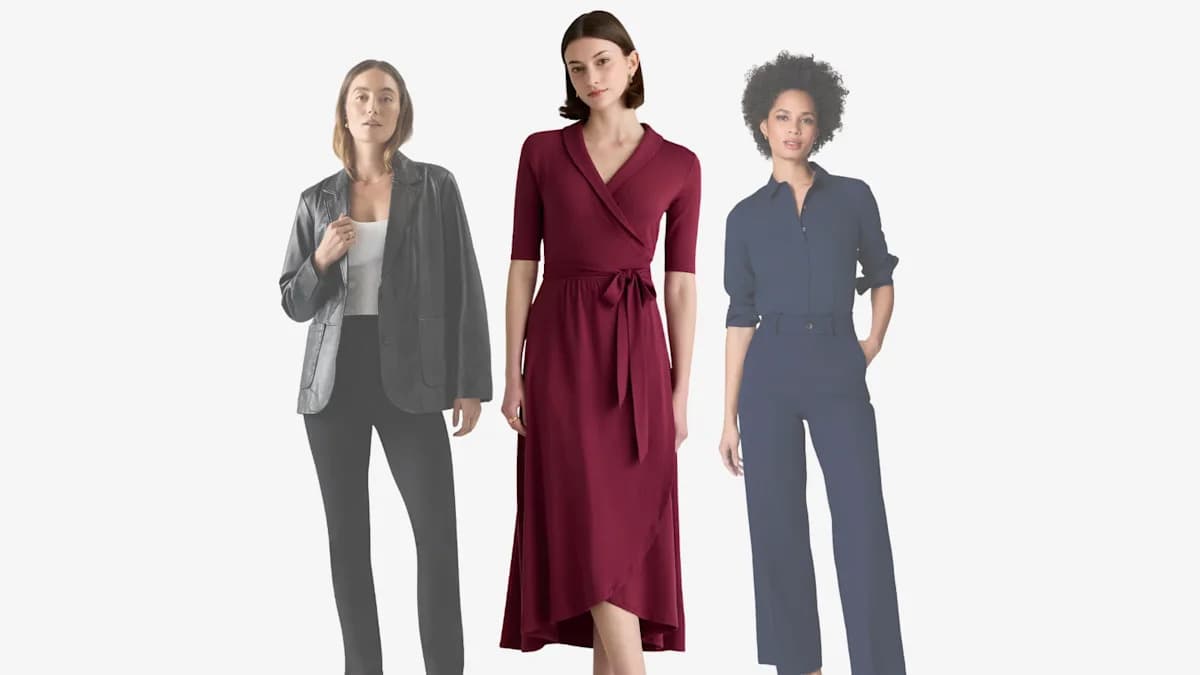
Organizations Refresh Employee Workwear to Boost Safety Sustainability and Brand
Companies are retooling employee kit in 2026, prioritizing safer fabrics, greener supply chains, and uniforms that actually sell the employer brand.

1. Safety first, uniform programs are now engineered PPE, not freebies
The industry blog post aimed at procurement and operations audiences on February 24, 2026 makes this blunt: one of the three near‑term drivers for corporate workwear programs is safety. That means uniforms are being specified like safety equipment, hardwearing outer shells, reinforced knees, cut‑resistant sleeves and high‑visibility tape integrated into the garment rather than stitched on as an afterthought. I saw this on the shop floor long before the memo landed: crews reaching for jackets with bonded seams and matte reflective strips that don’t glare under floodlights, gloves whose palms actually grip oily metal, and boots with non‑conductive midsoles. Procurement teams are shifting from ordering “logo tees” to sourcing certified performance textiles and supplier attestations; operations managers care about lifecycle maintenance (repairability and wash standards) because a garment that fails mid‑shift is a liability. In short: the refresh is about fewer slips, fewer near‑miss reports and uniforms that keep people whole, not just looking uniform.
2. Sustainability, the refresh is a supply‑chain play, not just a fabric swap
The February 24 post flags sustainability as a coequal driver, and that’s showing up in program specs: recycled polyester blended into work jackets, mono‑material garments designed for easier recycling, and modular pieces built to be mended or swapped instead of trashed. Procurement teams, who the blog calls out by name, are demanding end‑of‑life plans from suppliers, asking for take‑back programs and transparent carbon math rather than glossy sustainability claims. On the ground that looks like work shirts made from reclaimed ocean plastics paired with a repair kit in every locker, uniforms that survive 50 commercial laundries instead of 10, and rental or subscription models that replace bulk purchasing. From an operations perspective, that translates to lower total cost of ownership: fewer replacements, centralized laundry protocols, and traceable inputs that reduce regulatory and reputational risk. This isn’t fashion greenwashing, companies refreshing employee kit in 2026 are treating sustainability as a procurement KPI.
3. Employer brand, uniforms are recruitment tools and culture shorthand
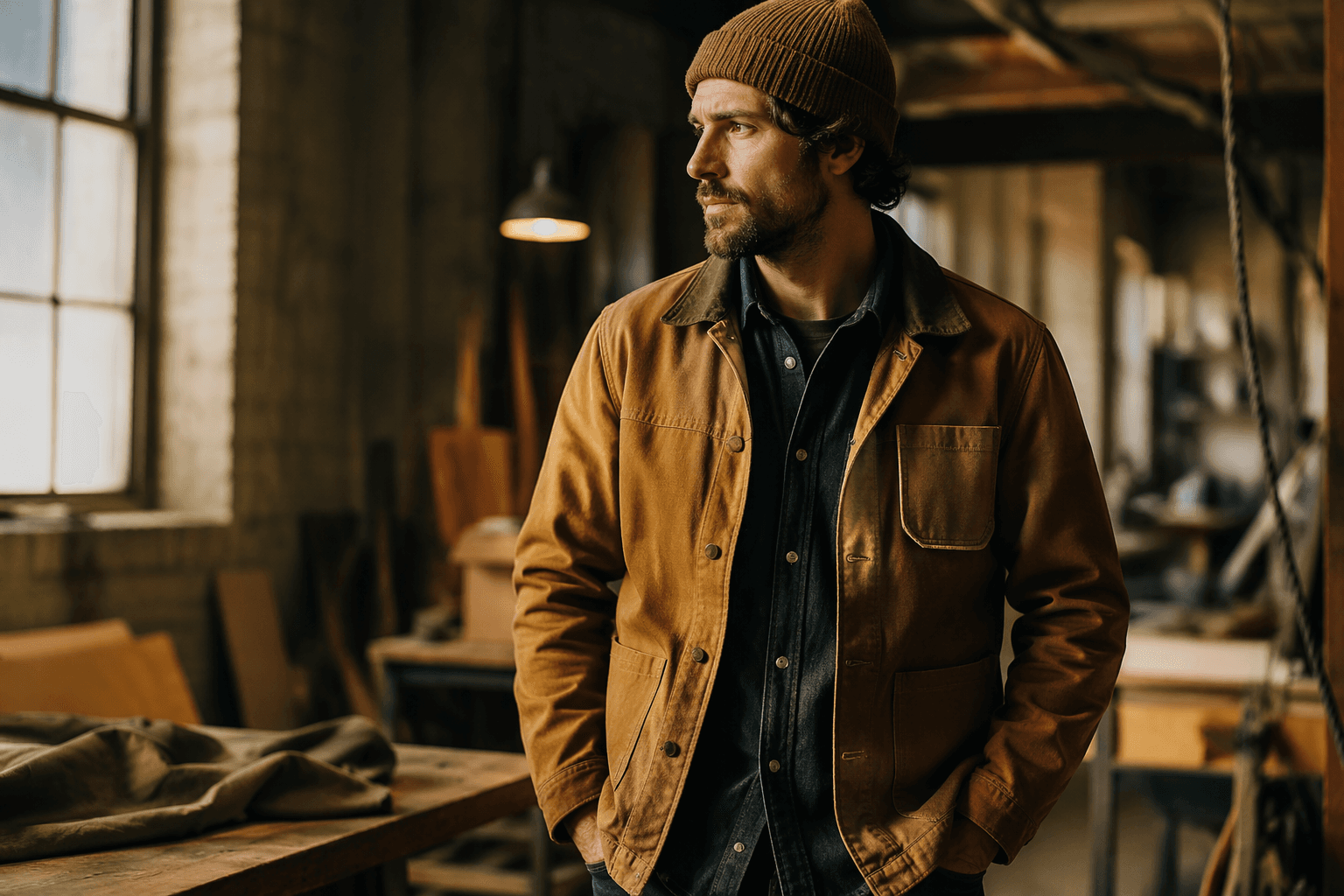
The third near‑term driver named in the February 24 writeup is employer‑branding, and you can see why HR and Ops are suddenly in the same room. Workwear is now a tactile billboard: tailored fits, considered colorways, and materials that feel premium on the body tell recruits more about a company than a careers page ever will. Employers are moving away from cheap, generic swag toward pieces that look purposeful on the street, structured chore coats, snap‑closure utility shirts, and softshells with discrete logos that read as craft, not corporate. That shift has practical stakes for operations: comfortable, well‑designed kit reduces churn in frontline roles, lowers absenteeism tied to discomfort, and makes employees feel seen. Procurement is taking cues from branding teams to specify finishes and silhouette libraries, so uniforms can be laundered at scale but still photograph well for recruiting campaigns. The result is a three‑way win: workers get safer, more sustainable kit; operations gets durability and consistency; and the employer gets a uniform that actually tells its story without shouting.

Final note: The piece for procurement and operations audiences on February 24, 2026 didn’t mince words, upgrading employee kit in 2026 is no longer a checkbox project. It’s a convergence of safety engineering, supply‑chain sustainability, and brand strategy that operations must own if organisations want uniforms that protect people, shrink footprints, and project the right identity.
This article was produced by Prism’s automated news system from verified source data, official records, and press releases, then run through automated quality and moderation checks before publishing. The system is built and supervised by the people who set the standards it runs under. Read our full AI policy.
Did this article answer your question?