Power Dressing Has Evolved: How to Build a Sharp Work Wardrobe in 2026
The suit is back, but not how you remember it. In 2026, sharp dressing means fewer pieces, smarter combinations, and clothes that communicate before you speak.

The fashion conversation about professional dressing resets every few years, and each time we collectively act surprised. But what's happening in 2026 is different from the usual cycle of trend-chasing. This shift has teeth. After roughly five years of normalized gym clothes, "waist-up" Zoom dressing, and the quiet societal agreement that technical presence was enough, the pendulum has swung hard in the other direction.
"So here we are in 2026, and the pendulum has swung again. The suit is back, not as a stiff uniform, but as a symbol of intention, of sharpness, of actually giving a damn about all of that."
That framing matters. The suit's return isn't about going back to 2015's rigid power dressing. It's about something more deliberate and, frankly, more interesting.
How We Got Here
Let's be honest about what happened. When the office moved onto Zoom overnight, standards didn't just relax — they dissolved. People took calls in what one observer memorably described as "skanky pyjama bottoms and a 'nice top,'" and that slid quickly into gym clothes as default work attire. The rationalisation was cultural: as long as you showed up, what you wore didn't count. "People believed this was professional."
The problem with that logic: "Clothes are data; they communicate before you speak." The pandemic didn't change that truth; it just let a lot of people ignore it for a few years. Now hybrid schedules are the norm, first impressions are happening fully in-person again, and the gap between people who dress with intention and people still operating in 2020 sweatpants is visible the moment anyone walks into a room.
The Smartest Shift: From Uniform to Capsule
Here's where 2026 diverges sharply from old-school power dressing. The answer isn't a closet full of matching suits. "The magic in 2026 is this: a powerful work wardrobe is about a tight edit of high-quality separates that stand the test of time, mix and match easily, and hold their shape stylistically even as trends swirl around them."
The result is counterintuitive but real: "You end up owning less, but your wardrobe actually has more impact. You open the door in the morning and see options, not chaos."
This principle applies equally to men and women. The mechanics are the same regardless of gender: fewer pieces, better pieces, endlessly recombined.
The Smart-Casual Problem Nobody Talks About
Here's the tension that most workwear guides gloss over. Professional style is back in the conversation, but most people are not in five-days-a-week tailoring anymore. What modern careers actually demand is trickier to execute: a genuinely great smart-casual wardrobe that looks polished, current, and distinctly yours.

"Wearing the same navy suit on repeat is easy. Building a smart-casual wardrobe that looks polished, modern, and like you? That takes more creativity."
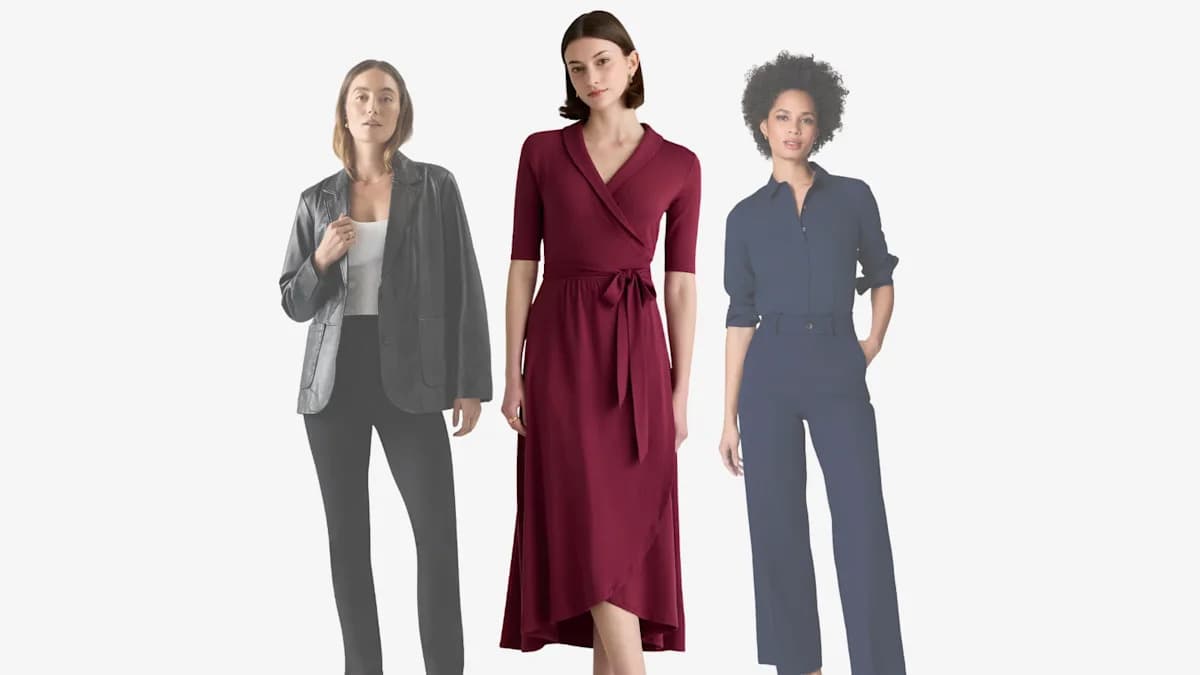
That creativity lives in how you think about separates. Great trousers that work with three different tops. A blazer that looks as good over a tee as it does over a shirt. Knits that feel comfortable but read intentional, not sloppy. These aren't radical ideas, but executing them well requires actual investment — in quality, in fit, and in understanding what combinations work for your specific body and context.
The Pieces That Actually Do the Work
If you're building from scratch or overhauling a wardrobe that stalled somewhere around 2019, two pieces deserve priority attention.
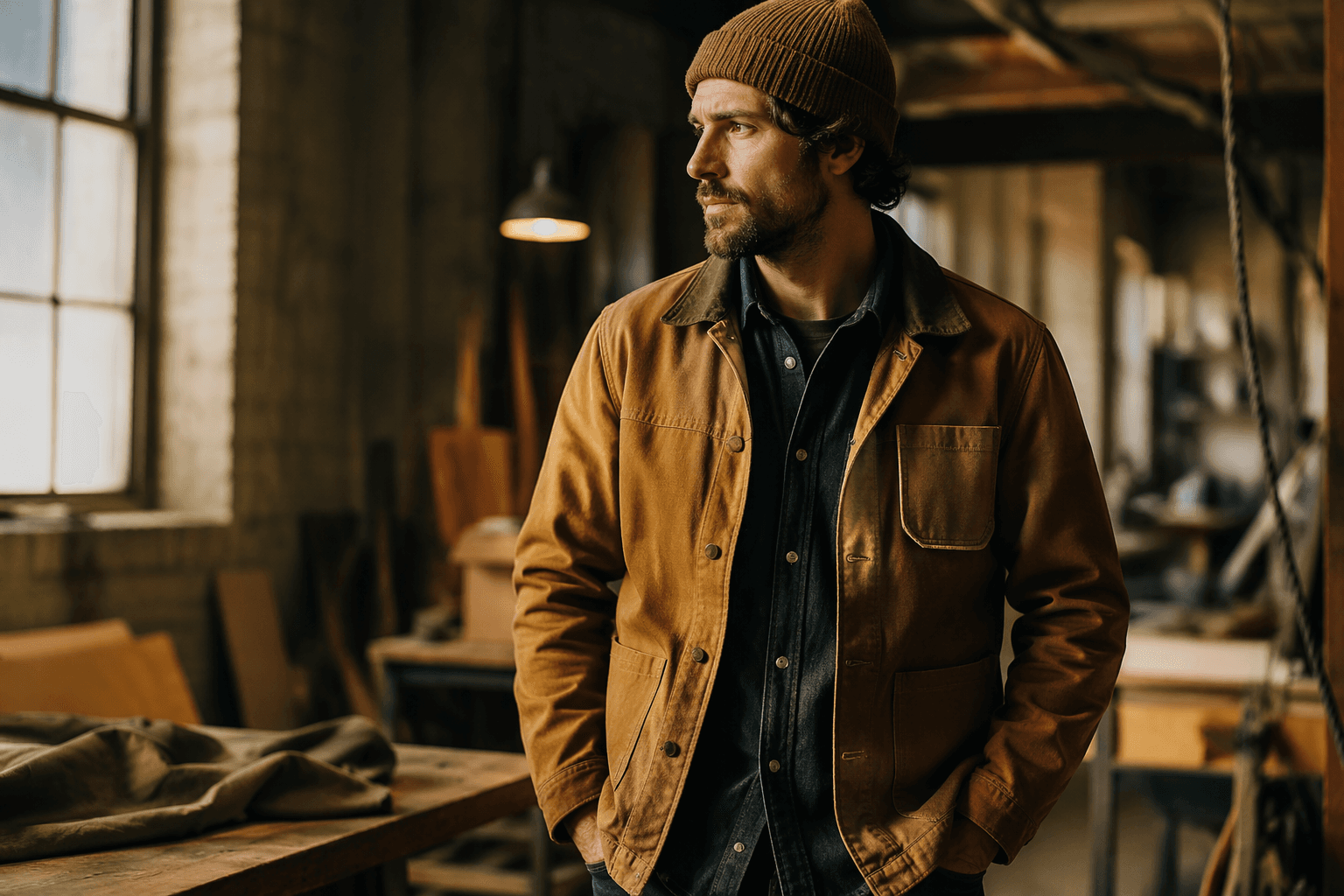
The power blazer is the entry point. Think of it as the suit's more approachable cousin: it does the structural, authoritative work of tailoring without locking you into a matching set. For women, the details that matter are a slightly nipped waist, peak or notch lapel options, and colors that go beyond safe navy — forest green, burgundy, and camel are all strong for 2026. For men, construction is the key variable: soft construction in a textured wool or a stretch wool-silk Donegal blend moves better, travels better, and reads less stiff than the structured suiting of previous decades. The styling flexibility is where the value lives: pair it with matching trousers for formal days, mismatched trousers mid-week, jeans on Friday. One blazer, genuinely infinite outfits.
The white shirt — yes, still. "Yes, still undefeated in 2026." The difference between a white shirt that works and one that doesn't comes down entirely to fit and fabric. Gaping buttons, a collar that wilts by mid-afternoon, a sleeve that swallows your hand: these details register, consciously or not, as sloppiness. The fabrics that hold their shape and their authority all day are textured cotton twill and royal oxford — both structured enough to maintain a clean collar roll from 9am to whatever time you're finally out of meetings.
What "Fewer, Better" Actually Costs You
The philosophy of a tight capsule wardrobe sounds economical but it demands honest spending on the pieces you do choose. Custom clothiers like Tom James offer in-home and in-office fittings for bespoke pieces, and the appeal is straightforward: "Because every piece is custom, everything fits properly; nothing pulls or gaps. You walk in looking like the 2026 version of yourself, calm, confident, and unmistakably sharp." Whether that route is accessible or practical depends on your budget and how much your professional context demands. But the underlying principle — that fit is doing more work than brand or price tag — holds at every price point.
Tom James markets the concept as a "seven-piece power collection," which functions as a useful framework even if you're not booking a custom fitting. The number isn't magical; the idea is that a small, curated set of high-quality, versatile pieces outperforms a bloated wardrobe of mediocre ones. Seven pieces that genuinely work together will serve you better than forty that mostly don't.
The Actual Bottom Line
The shift in 2026 workwear isn't about following a trend back to formality. It's about reclaiming something that was briefly and badly abandoned: the understanding that how you present yourself is part of how you perform. Not a superficial concern, not vanity, but a basic form of professional communication. "Clothes are data; they communicate before you speak." You can argue with that or you can dress like you understand it. The people who look sharpest in your office right now have already made their choice.
This article was produced by Prism’s automated news system from verified source data, official records, and press releases, then run through automated quality and moderation checks before publishing. The system is built and supervised by the people who set the standards it runs under. Read our full AI policy.
Did this article answer your question?