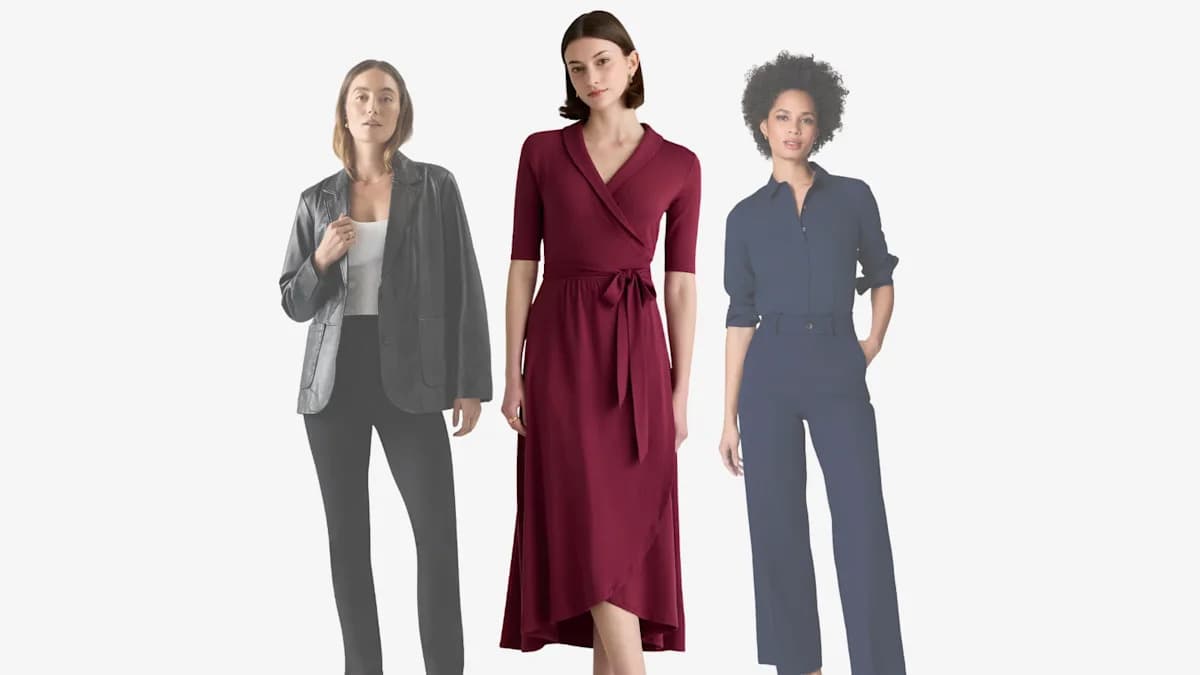
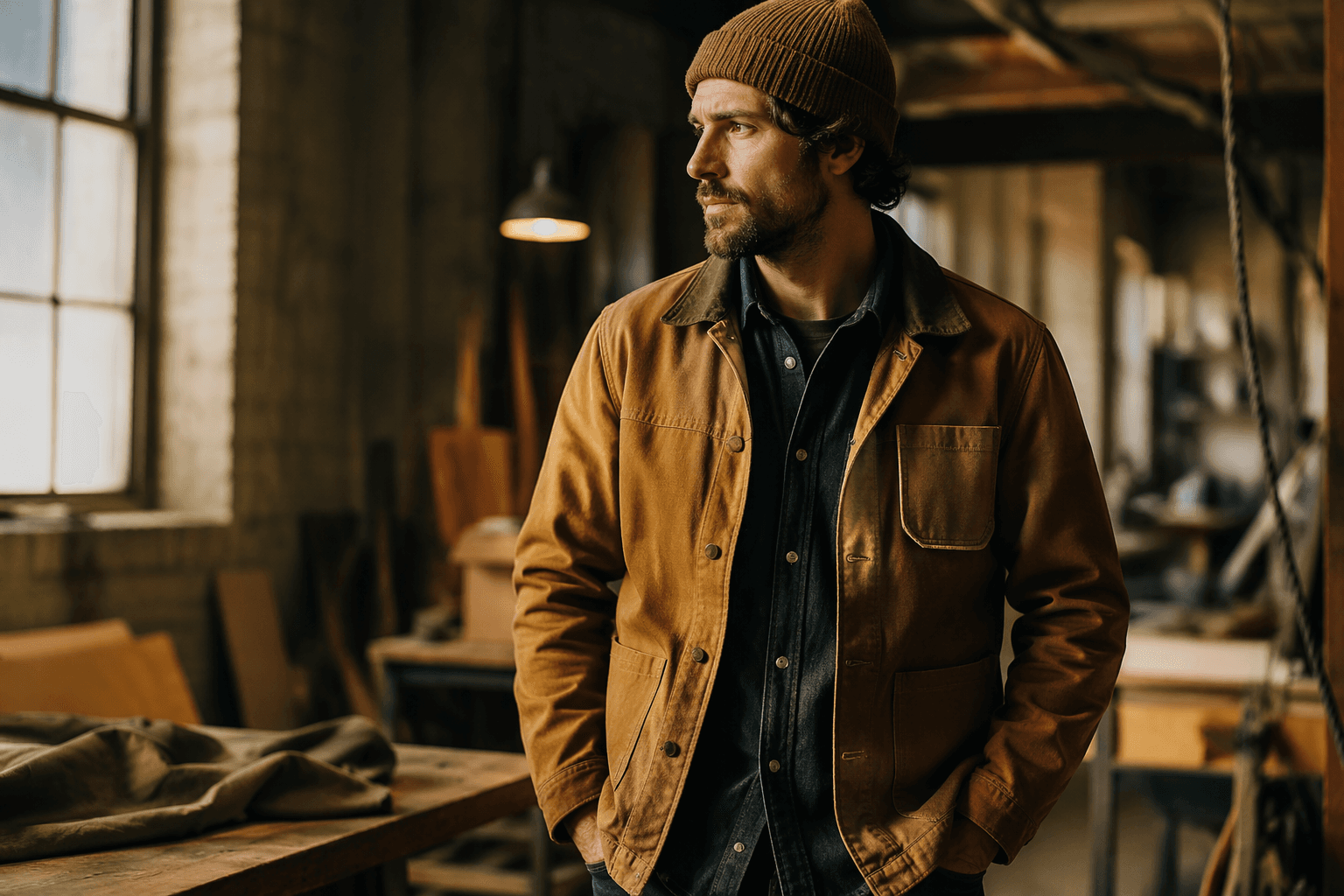
Power Dressing Returns as Entrepreneurs Wield Style in Boardrooms and Negotiations
Startup founders are weaponizing their wardrobes, turning tailoring and texture into boardroom leverage and brand identity.
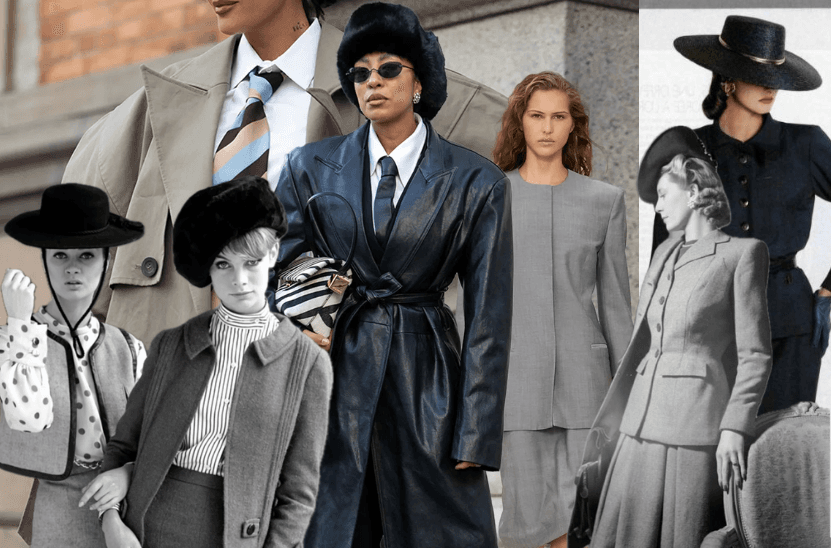
There's a shift happening in how the most ambitious people in the room get dressed, and it's not subtle. Startup founders and entrepreneurs are reaching back into the power-dressing playbook with real intention, treating their clothes less like a daily decision and more like a strategic asset. The blazer isn't just a blazer anymore. It's a signal, a negotiation tactic, a brand statement delivered before anyone opens their mouth.
This revival, documented by writer Natalie Foster in GREY Journal, isn't nostalgia for the shoulder-padded excess of the 1980s. It's something sharper and more self-aware. The entrepreneurs driving this moment understand that in a pitch room or across a term sheet, visual authority is real authority. When you've built something from nothing, the way you present that thing, including yourself, matters in ways that go beyond vanity.
Why founders are dressing with intention again
The startup world spent the better part of a decade celebrating the hoodie-and-sneakers aesthetic as a badge of anti-establishment credibility. Zuckerberg's grey tee became shorthand for "I'm too busy disrupting to care about clothes." But that era is losing its grip. A new generation of founders, particularly those navigating serious capital raises, high-stakes partnerships, and global expansion, has figured out that deliberate dressing signals something the casual uniform can't: command.
This isn't about dressing conservatively or deferring to old corporate codes. It's about dressing with purpose. The entrepreneurs leaning into power dressing today are using clothes as a brand tool in the most literal sense, building a visual identity that extends their company's story and their own credibility as its leader. A well-cut suit in an unexpected fabric, a structured coat worn with confidence, a tonal look that reads as considered rather than accidental: these are choices that communicate fluency in the language of power.
The negotiation table as a style stage
Clothes in a negotiation aren't neutral. Research on nonverbal communication has established for decades that physical presentation affects perception, and founders who've absorbed that lesson are applying it with precision. Walking into a high-stakes meeting dressed with clear intentionality changes the dynamic before the first slide loads.
The specific vocabulary of this new power dressing skews toward structure with restraint. Sharp shoulders without aggression. Clean lines in elevated materials. Tailoring that fits well enough to look like it was made for you, whether it was or not. The goal isn't to intimidate; it's to project stability and seriousness in a business landscape that still, despite all its disruption rhetoric, rewards those qualities.
Color plays a significant role here. Founders gravitating toward power dressing tend to work in deep neutrals, rich earth tones, and the occasional controlled pop of color that reads intentional rather than decorative. The overall effect is someone who has thought about every variable in the room, including themselves.
Style as brand infrastructure
For entrepreneurs building companies that live or die on perception, personal style functions as brand infrastructure. The way a founder presents physically is inseparable from how investors, partners, and customers read the brand they're leading. This is particularly acute for founders who are also the face of their company, whose personal identity and company identity are practically the same thing at the early stages.
The most effective version of this approach isn't about dressing to impress a generic room. It's about dressing in a way that's coherent with the brand's own visual language. A founder building a luxury wellness brand who shows up in cheap fast fashion is sending a mixed signal. A tech founder pitching enterprise software who's wearing a precisely tailored Italian blazer is telling a story about precision and quality before the deck is even open.
This coherence between personal style and brand identity is one of the more sophisticated things happening in how today's entrepreneurial class approaches getting dressed. It requires actually knowing what your brand stands for visually and then living inside that aesthetic consistently.
Building the power wardrobe
The practical architecture of a founder's power wardrobe has a few consistent elements worth noting:
- Investment tailoring: One or two suits or structured separates in quality fabrics that hold their shape and communicate seriousness. Wool crepe, heavy cotton twill, and technical fabrics with a refined finish all do this well.
- Texture as a differentiator: In a room full of black suits, interesting texture, a nubby bouclé, a fine-ribbed knit, a matte leather detail, creates visual distinction without noise.
- Silhouette clarity: Power dressing today favors clean, uncluttered lines. Nothing oversized to the point of shapelessness, nothing so slim it reads as trying too hard.
- Footwear that closes the look: Shoes are where power dressing often gets fumbled. A strong suit on a weak shoe telegraphs incomplete attention. Founders serious about this approach treat footwear as the final punctuation.
- Restraint with accessories: One strong piece, whether a watch, a bag, or a piece of jewelry, carries more authority than several competing ones.
What this moment says about where we are
The return of power dressing among entrepreneurs isn't a retreat to corporate conformity. It's an evolution: style as strategy, clothes as communication, the boardroom as a stage where every element of your presentation is deliberate. Founders who've figured this out aren't dressing for approval; they're dressing for effect.
In a business culture still sorting out what professional dress actually means post-pandemic, post-casual revolution, and post-hoodie orthodoxy, the entrepreneurs who dress with intention are quietly reclaiming visual authority. That reclamation is its own kind of disruption, and it's one the fashion world has been waiting for.
This article was produced by Prism’s automated news system from verified source data, official records, and press releases, then run through automated quality and moderation checks before publishing. The system is built and supervised by the people who set the standards it runs under. Read our full AI policy.
Did this article answer your question?