Sculptural Silhouettes and Seasonless Pieces Reshape the Modern Work Wardrobe
Sculptural shapes and seasonless capsule thinking are rewriting the rules of office dressing, as designers push volume into professional spaces and sustainability scrutiny follows close behind.
The boardroom silhouette has always been a mirror of its moment. Right now, that mirror is reflecting something genuinely new: shapes that command space, materials chosen with intention, and an industry quietly rewiring how professional clothes are designed, produced, and sold. The shift isn't subtle. This spring, the conversation inside fashion's editorial circles has crystallized around a productive tension, that between increasingly expressive daywear and a growing mandate for sustainable, overproduction-resistant wardrobes. The result is a workwear landscape that is more interesting, more considered, and more demanding of the professionals who navigate it.
Shape as Statement: Sculptural Silhouettes Enter the Office
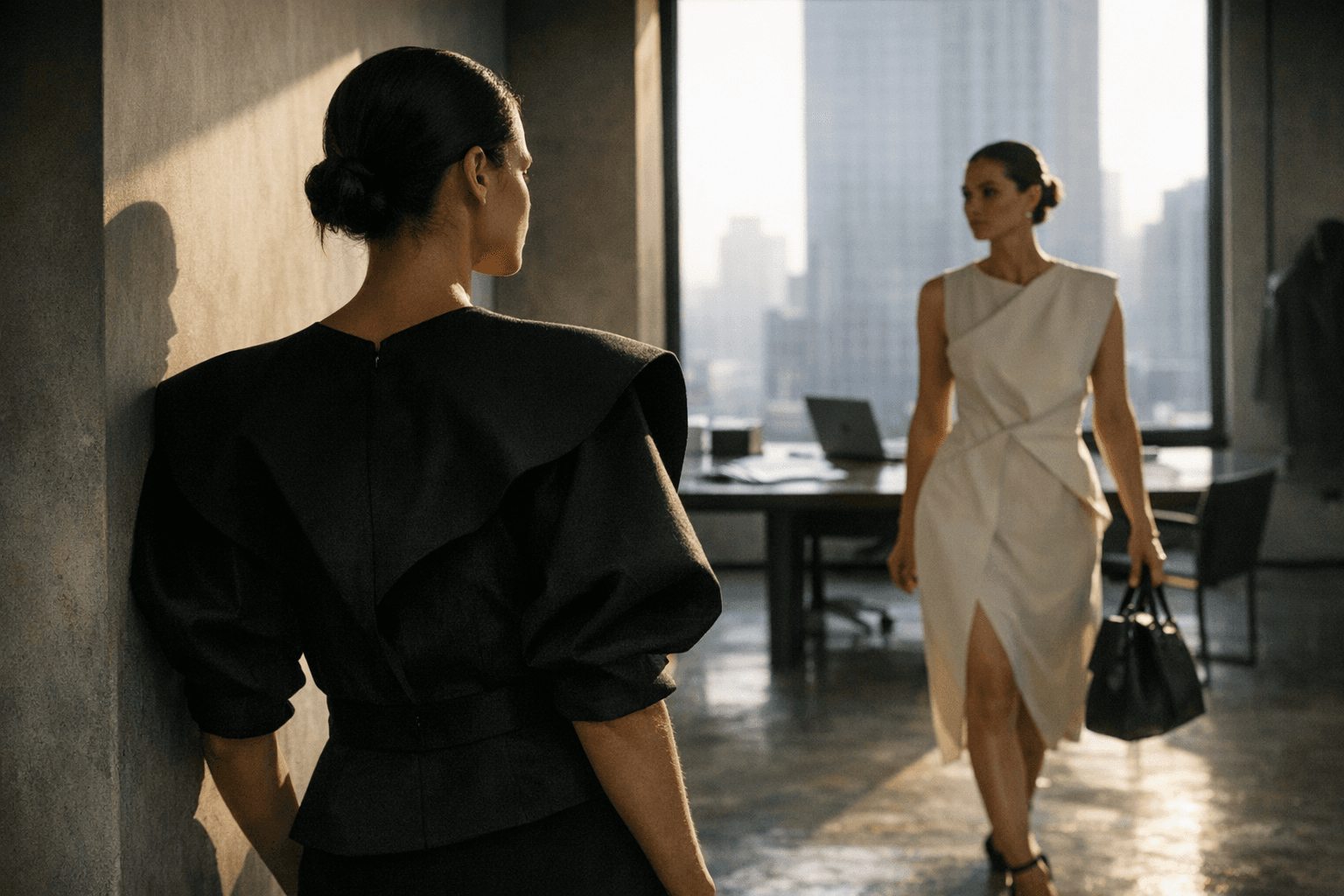
The most immediate transformation is physical. Exaggerated volume and sculptural shapes, long the domain of couture runways and editorial shoots, have made a credible bid for the work week. At Dior, exaggerated hip construction dominated the silhouette conversation; Zomer sent out fantasy-scale mega belts that functioned less as accessories than as architectural punctuation. The shapes read radical in isolation, but filtered through the lens of workwear, they translate into something far more wearable and, honestly, more compelling than the pinstripe conformity they are replacing.
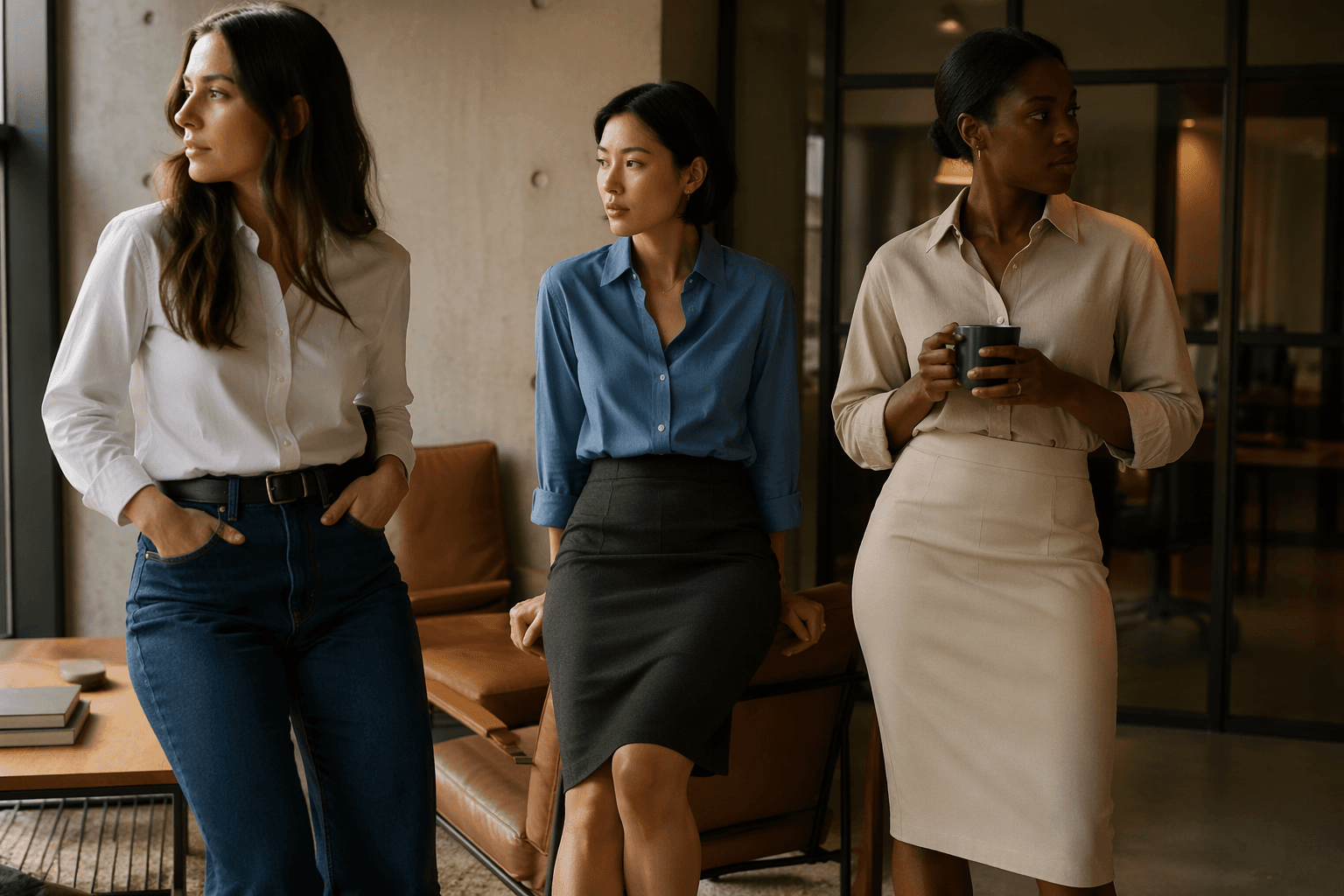
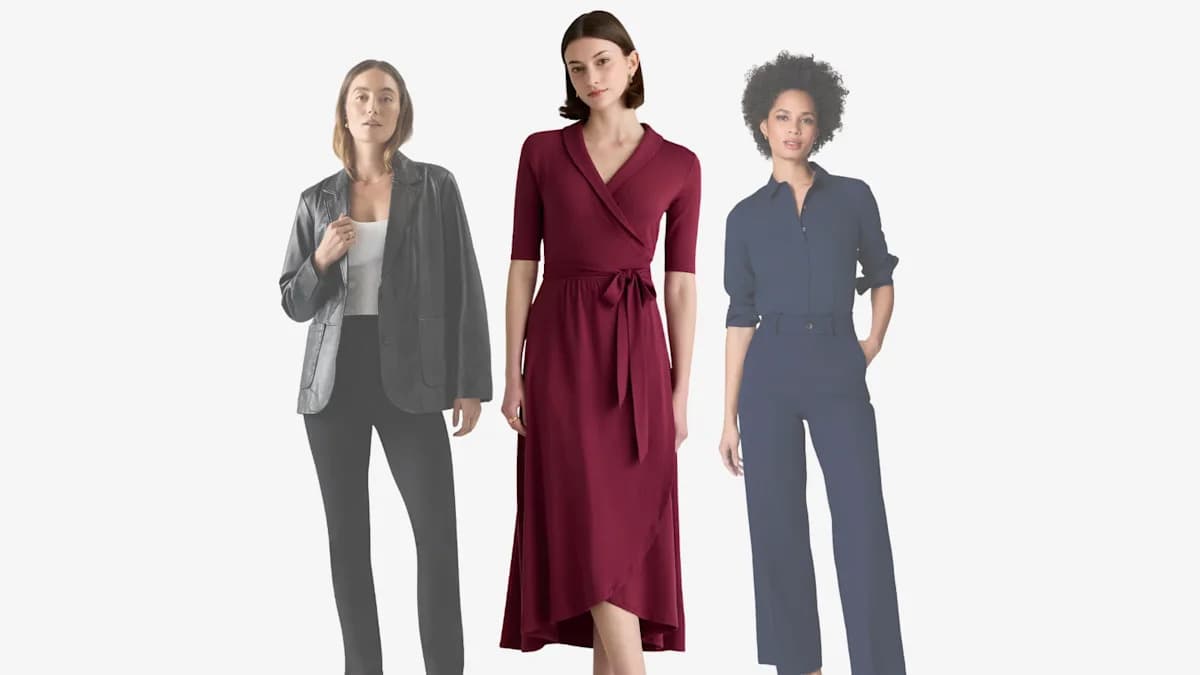
Loewe and The Row offered the clearest template for how this plays out in a professional context. Both houses showed cargo silhouettes reimagined in silk twill and crisp linen, paired with sculptural blouses and sharply tailored vests. The proportions are deliberate: volume concentrated in one element, restraint everywhere else. A structural blouse with a clean-lined trouser. A strong-shouldered blazer over fluid wide-leg pants. This balance is the grammar of the new office dressing.
Brands built specifically around elevated daywear are codifying the shift further. Tibi has leaned into what its devotees describe as fluid tailoring and sculptural ease, pieces that feel relaxed in movement but fully resolved in construction. ROHE, another label drawing serious attention from capsule-minded professionals, works in refined architectural silhouettes with a minimalist backbone that translates naturally from desk to dinner. These are not trend-driven labels; they are building blocks.
The SS26 runways from Tory Burch, Chanel, and Toga reinforced this direction with low-slung skirts worn with cinching belts, concentrating structure through proportion rather than rigidity. Chanel, Saint Laurent, and Valentino each made a compelling case for swapping the default crisp white shirt for something with exaggerated bows or unexpected color. Not as an afterthought, but as the focal point of an otherwise disciplined look.
The Intentional Capsule Drop: Smaller, Smarter Collections
Alongside the silhouette revolution, a parallel shift is changing how these clothes reach consumers. The industry's appetite for faster drops has not disappeared, but it is being redirected. Where once speed meant volume, a growing number of designers are pairing accelerated release cycles with dramatically reduced quantities: smaller, more intentional capsule drops that create urgency through curation rather than mass availability.
This model matters to the professional wardrobe builder precisely because it changes the transaction. A focused capsule of six or eight pieces, engineered to work together and with what already exists in a wardrobe, demands more thought at the point of purchase and delivers far more utility over time. Sustainable fashion analysts make the argument plainly: professionals who invest in six well-made garments annually rather than cycling through twenty lower-quality items reduce textile waste, lower long-term spending, and build wardrobes with actual staying power.
Sami Lorking-Tanner and Evangeline Titilas, co-founders of the Australian label With Jéan, described the emerging office dressing sensibility with real precision: "We can see office attire continuing to relax. We're definitely leaving behind the ultra formal and overly polished office looks that made corporate life feel like a drag, however, we don't want to be sitting [in a meeting] in a plunging neckline." That calibration, relaxed but resolved, expressive but appropriate, is exactly what the best current capsule drops are engineered around.
Seasonless Thinking: Building a Wardrobe That Works Across Months
The rise of seasonless pieces is the structural argument underpinning this entire shift. A truly seasonless work wardrobe is not an absence of personality; it is a commitment to clothes whose construction and material weight allow them to travel across the calendar without becoming anachronistic. A washable silk trouser worn in April works equally in September. An architectural wool-blend blazer earns its keep through eight months rather than two.
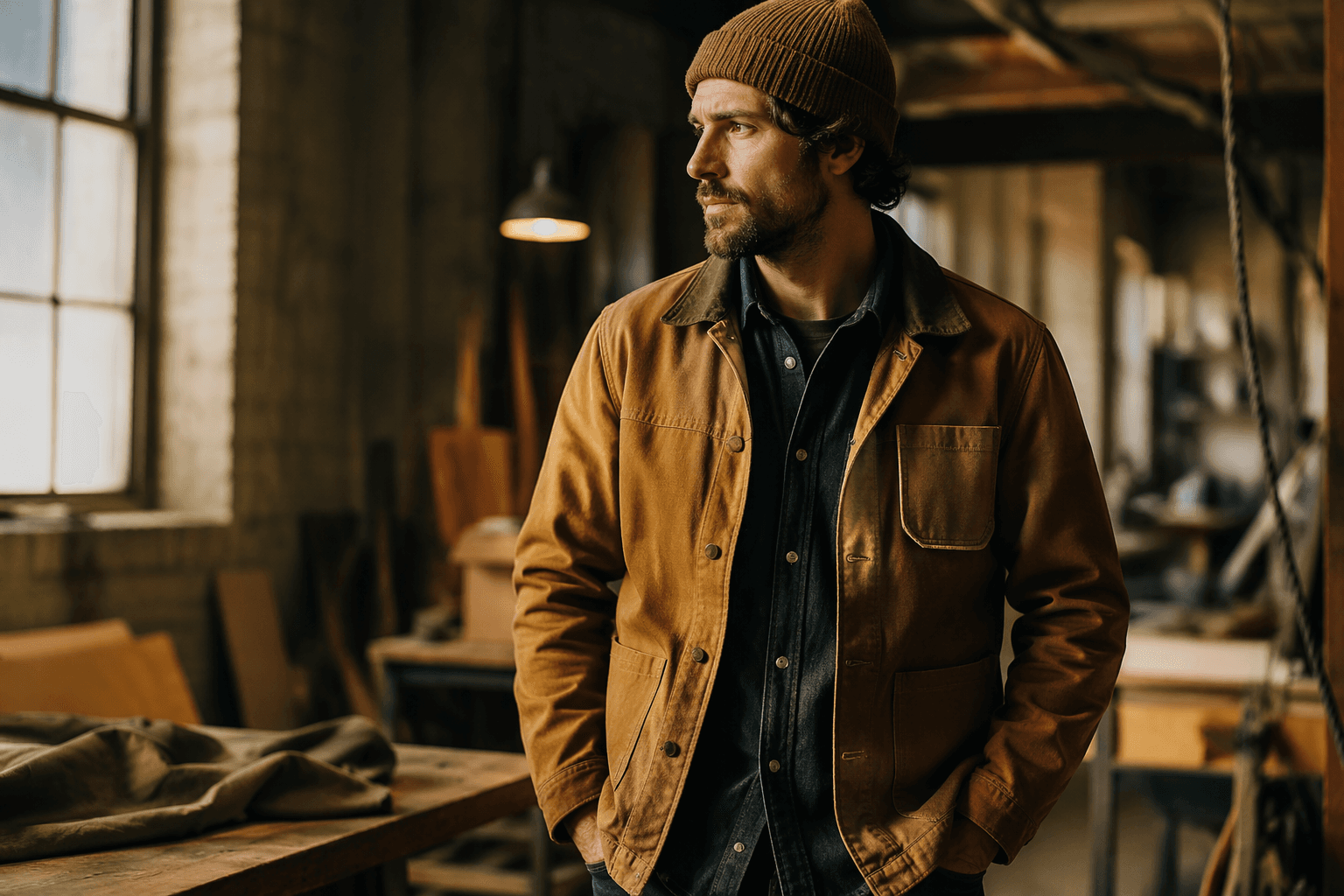
The sustainable capsule model, which typically encompasses fifteen to thirty versatile, cross-seasonal pieces, has moved from niche proposition to mainstream workwear strategy. Eco-friendly materials are doing significant work here: recycled polyester, organic cotton twill, and washable silk have all matured into fabrics that perform at a professional level without compromising on hand feel or longevity. Heritage knitwear, deep-toned chocolate browns worn head to toe in tailored separates, and safari-inflected utility details with deep pockets and clean metal zips are all threading through 2026's strongest work-appropriate offerings. They share a quality of looking deliberate across multiple seasons rather than tied to a single month on the fashion calendar.
Production Innovation and the New Manufacturing Model
The capsule approach is being enabled by meaningful shifts in how clothes are actually made. On-demand manufacturing, long an industry aspiration, is moving toward genuine commercial viability. Unspun's 3D weaving Vega system can bring lead times down to as little as one week, a thirty-fold compression compared to traditional manufacturing timelines, with real implications for inventory waste and the overproduction problem that has shadowed fashion for decades.
This kind of just-in-time production allows brands to respond to how people are actually dressing rather than committing months in advance to mass quantities of styles that may not connect. For professionals watching how their purchasing choices ripple into the broader industry, the emergence of these production systems carries weight: clothes from brands operating on this model carry a measurably smaller overproduction footprint. The fashion industry accounts for approximately ten percent of global carbon emissions and generates an estimated ninety-two million tons of textile waste annually; those numbers have accelerated regulatory scrutiny, particularly from the European Union, and sharpened consumer appetite for brands that can demonstrate transparency from material sourcing through to finished garment.
Where Sustainability and Practicality Converge
What makes this moment genuinely compelling for the professional wardrobe is that the strongest sustainability arguments and the strongest style arguments are pointing in the same direction. Fewer, better pieces. Architectural shapes that hold their form wash after wash. Fabrics like organic cotton twill and recycled fibers that have been refined to the point where they offer genuine tactile pleasure alongside responsible credentials.
The color story reinforces this convergence. Chocolate brown worn head to toe in tailored separates. Cream and white color-blocking anchored by Chanel and Proenza Schouler. Deep utility greens that read as both practical and directional. These are not trend colors that will date in two seasons; they are investments that reward a longer view.
For professionals actively rebuilding their work wardrobes right now, the directive has clarified considerably. The best pieces of 2026 are sculptural without being theatrical, seasonal without being disposable, and sustainably produced without the quality compromise that once made ethical consumption feel like a trade-off. The tension between expressiveness and accountability that designers are navigating on their end has produced, from the consumer's vantage point, one of the most durable and persuasive arguments for intentional dressing that the professional wardrobe has seen in years.
This article was produced by Prism’s automated news system from verified source data, official records, and press releases, then run through automated quality and moderation checks before publishing. The system is built and supervised by the people who set the standards it runs under. Read our full AI policy.
Did this article answer your question?