TUKI stays true to work pants with utilitarian SS26 staples
TUKI has spent 21 years making pants like they matter, and SS26 proves why its fit, fabric, and silhouette keep setting the workwear standard.
The pants come first
TUKI does not behave like a brand chasing the next seasonal mood. It behaves like a label that decided one object deserved a lifetime of attention, then spent 21 years proving the point. Started in 2004 by Kosuke Harada and Sayoko Noritake, the Japanese label has built its reputation around bottoms, especially work pants, and that singular focus is exactly why it lands with serious workwear buyers.
The commercial value is obvious once you look at the clothes. TUKI is not just making “pants” in the generic sense. It is building original textiles, tuning silhouette, and loosening its relationship to standard waist sizing so the fit follows body balance and the shape you actually want to wear. That is the difference between trousers that simply cover you and trousers that become a reference point.
Why the fit feels different
The first thing TUKI gets right is that it does not treat the waist as the whole story. Its sizing is based on body balance and preferred silhouette rather than conventional waist measurement, which is a very unsexy idea that produces a very sexy result: pants that sit with more intent, hang with more confidence, and feel like they were thought through from hip to hem. That matters whether you are wearing them for work, travel, or just the daily grind.
The second piece is fabric. TUKI leans on original textiles, which is where the brand separates itself from the endless parade of cargo cosplay and archival nostalgia. The clothes are built to carry shape, not collapse into it. In a category where too many labels borrow the language of utility without improving the actual wear, that kind of restraint reads as authority.
SS26 stays locked on utilitarian bottoms
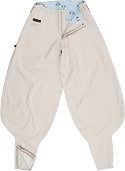
The SS26 lineup keeps the same thesis intact. Instead of pivoting into some broad lifestyle fantasy, TUKI anchors the season with utilitarian staples: a work jacket, an anorak, sleeping pants, long pants, jog shorts, and jodhpurs. That mix tells you everything you need to know about the brand. It sees pants as the center of the wardrobe, then builds outward with the kind of outer layers and off-duty pieces that make the whole system useful.
What makes the assortment compelling is the range inside a very tight lane. Sleeping pants suggest ease and volume. Long pants and jog shorts bring the daily uniform energy. Jodhpurs tilt the silhouette into something sharper and more deliberate. Add work jackets, anoraks, field trousers, combat pants, pajamas, field cargo, cotton long johns, and a cotton jumper, and you get a wardrobe that moves from field to bed to street without ever breaking character.
Made in Japan, with Okayama in the background
TUKI’s production base matters too. One retailer notes that the clothes are made in Okayama, Japan, a region closely tied to denim production, and that detail is not just a neat fact for tag readers. It places the brand in a serious domestic manufacturing culture where fabric knowledge and construction standards are part of the vocabulary, not a marketing flourish.
That is one reason TUKI has stayed credible across more than two decades. It is not selling a seasonal gimmick or a logo-heavy interpretation of workwear. It is selling process, consistency, and a particular understanding of how pants should live on the body. In a market flooded with workwear that looks rugged for one photo and falls apart after a wash, that discipline reads as luxury.
Why the price bracket fits the positioning
Current retail listings put TUKI pieces roughly from 28,600 yen to 104,500 yen, which is a wide range, but not an accidental one. At the lower end, you are still inside premium Japanese menswear territory. At the top end, you are paying for a brand that has turned bottoms into a specialty practice, not a side category. That pricing makes sense when the whole value proposition is fabrication, silhouette, and long-term wear rather than seasonal novelty.
This is also the kind of brand that boutiques back early and keep backing. One retailer says it started stocking TUKI in 2009 after meeting Harada at a trade show, which tells you the label had already made an impression on buyers who know how hard it is to build a durable niche. You do not keep a brand that long unless it keeps giving you a reason.
The moon logic behind the brand
Even the name fits the mood. Harada has said Tuki means moon in Japanese, and that he chose it because he loves looking at the moon. It is a small detail, but it explains a lot about the label’s rhythm. The brand does not feel lunar in a mystical sense. It feels lunar in its refusal to rush, its steady orbit around one idea, its commitment to returning to the same object and making it better.
That is the real lesson here. TUKI’s authority does not come from volume or hype. It comes from staying obsessed with one category until the category itself starts to look different. In workwear, that kind of discipline is rare, and it is exactly why these pants keep ending up as the benchmark.
This article was produced by Prism’s automated news system from verified source data, official records, and press releases, then run through automated quality and moderation checks before publishing. The system is built and supervised by the people who set the standards it runs under. Read our full AI policy.
Did this article answer your question?