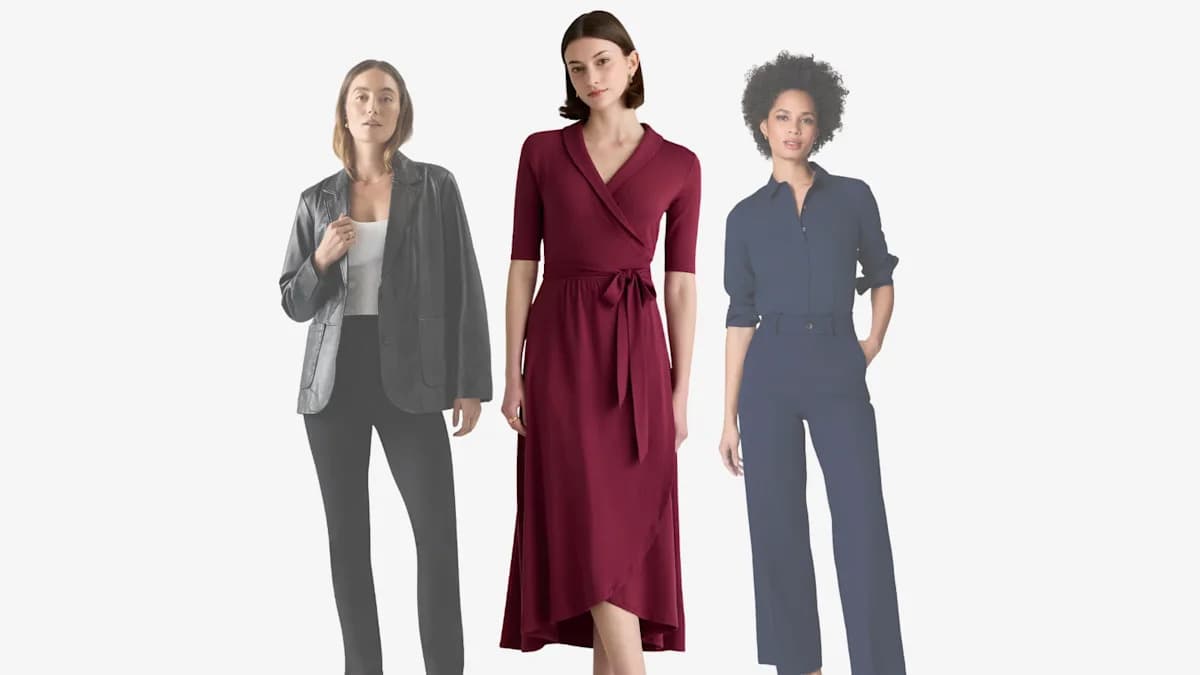
Utility-First Designer Bags That Work Hard, Travel Well, Last Longer
The smartest designer bags now earn their keep twice, carrying workday essentials cleanly today and holding value in resale tomorrow.
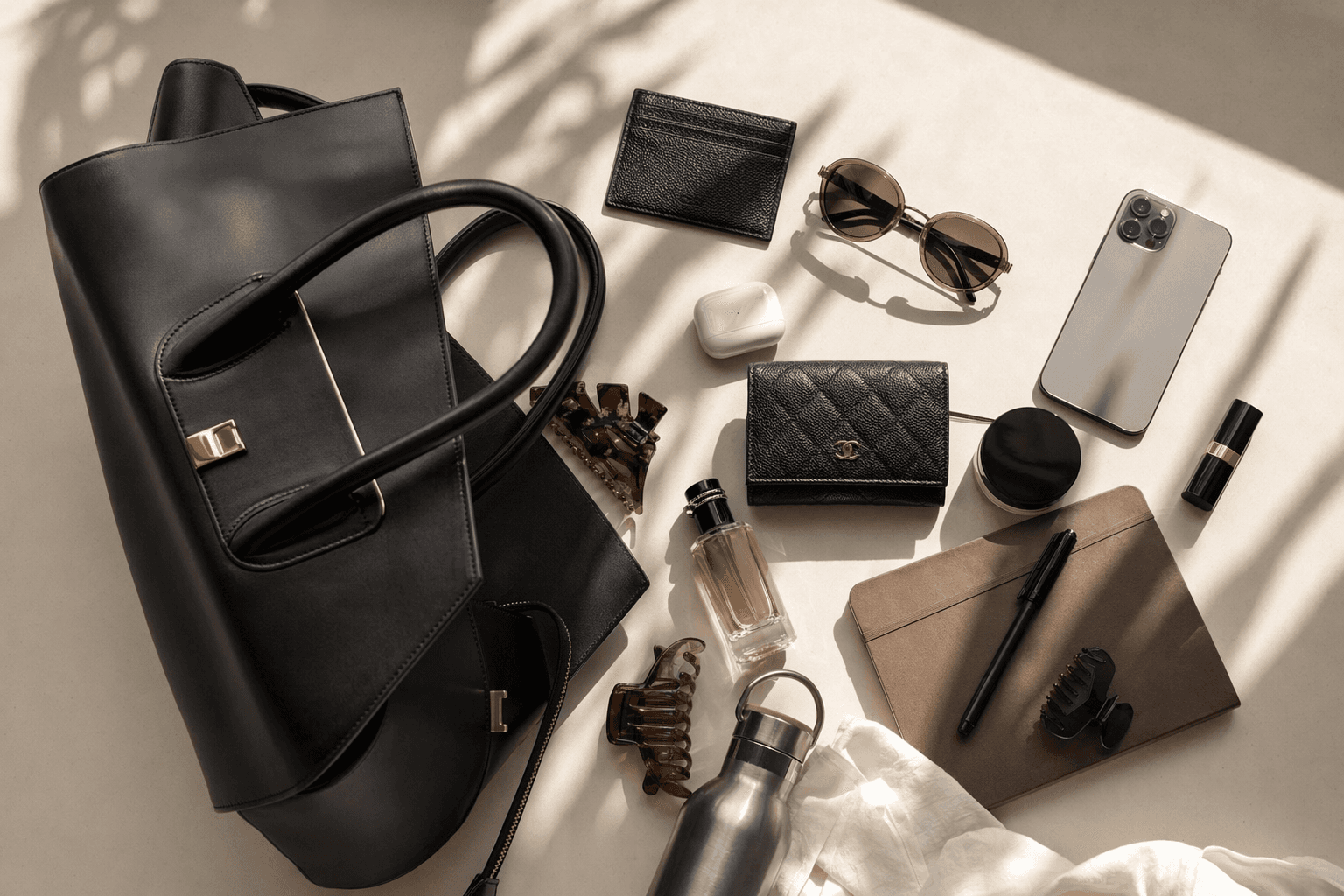
The best designer bag for work is no longer the flashiest one in the room. It is the carryall that can take a laptop, documents, a charger, and everything else a full day demands, then still look sharp beside a blazer.
Why utility is the new luxury test
Luxury is settling into a more disciplined mood. Bain and Altagamma said the industry stabilized in 2025 and needs to reinforce longevity, while The Business of Fashion reported in January 2026 that brands are moving upmarket and finding it increasingly attractive to resell their own items as secondhand sales rise. BoF Insights has also built its designer-bag research around resale and rental attitudes, which shows how central the secondary market has become to the way bags are valued now. One 2026 report put the luxury resale market at $32.47 billion in 2024, with a projection of $50.06 billion by 2030.
That shift changes the way a work bag should be judged. A polished carryall now has to earn its place through daily function, but also through the kind of construction and design that can survive years of use and still look desirable later. In a market this large and competitive, the bag that wins is not the one that screams the loudest. It is the one that makes sense on Monday morning and still makes sense when it comes back around on the secondary market.
What a work bag has to do
For office life, the right designer bag has four jobs at once: hold its shape, protect what you carry, move easily from commute to meeting, and survive repeat use without looking tired. The most convincing versions are the ones that feel considered rather than overdesigned, with enough structure to sit neatly under an arm and enough interior space to handle the essentials of a workday.
- A laptop-friendly interior matters more than a logo-heavy front.
- A zip-top or secure closure is worth more than decorative hardware if you ride the train or a cab.
- Leather that can handle scuffs will age better than something delicate and high-maintenance.
- A strap that works over a coat or tailored jacket makes the bag feel like part of the uniform, not an accessory bolted on top.
Best for commuting
If your day starts with transit, the sweet spot is a structured tote or roomy shoulder bag that can carry documents flat and keep a computer from pressing awkwardly against your side. Clean-lined leather, reinforced handles, and a shape that does not collapse into a soft heap matter most here. The goal is polish without fragility: a bag that looks intentional with tailoring, then still behaves when you are moving fast through a station.
This is where work-bag performance becomes obvious. A commuting bag should make the trip easier, not prettier for its own sake. If it can take a laptop, notebook, sunglasses case, and the usual tangle of cords without bulging at the seams, it is doing real work.
Best for travel-heavy jobs
For jobs that put you on planes, in cabs, and between cities, the smartest bag is the one that reduces friction. A larger carryall with a secure opening, light enough construction, and a profile that stacks neatly against a suitcase gives you more mileage than an ornate statement piece that needs babying. The right version should feel dependable at 7 a.m. and still look composed at 9 p.m.
This is also where resale logic becomes practical. The same construction that survives weekly travel tends to photograph well later on The RealReal, Vestiaire Collective, Fashionphile, Rebag, or Farfetch, the platforms BoF has identified as major players in luxury resale. Bags with recognizable silhouettes and strong construction are easier to imagine as long-term assets, not just wardrobe purchases.
Best for minimalist corporate dressing
If your wardrobe is built around dark tailoring, crisp shirting, and a restrained palette, the best designer bag is usually the quietest one. Look for compact structure, a restrained finish, and a shape that sharpens rather than competes with the clothes. The appeal is not obvious branding, but proportion: a bag that gives a suit or column dress some architectural balance without demanding attention every time you walk into the room.
This is the lane where a bag can look expensive without looking precious. The right minimalist piece should disappear into the rhythm of your outfit until you need it, then immediately restore order to the look. That kind of understatement is harder to fake than a flashy seasonal hit.
Why wear, patina, and resale now matter together
Luxury shoppers are increasingly willing to buy pieces that show life. BoF reported in November 2025 that beat-up bags, including scratched Birkins, were becoming more desirable for some consumers, a shift that says a lot about how patina is being re-read as personality instead of damage. For work bags, that matters because it rewards leather that ages gracefully and punishes the overly precious finish that looks pristine for six months and then feels too delicate to use.
The handbag market itself remains enormous. One 2026 forecast put luxury handbags at $27.25 billion in 2025 and $28.9 billion in 2026, while another estimated $29.30 billion in 2026 and $45.24 billion by 2033. Depending on methodology, the category is being valued anywhere from the high-$20-billion range to the low-$70-billion range, which is exactly why classic, work-friendly silhouettes still carry so much weight. In a market this big, the smartest buy is the one that can keep up with real life.
The bottom line
The utility-first designer bag is not anti-luxury. It is luxury stripped of wasted motion. It carries the office, the airport, and the dinner reservation in one polished frame, and it earns its price by being useful long after the first thrill of a purchase has faded.
This article was produced by Prism’s automated news system from verified source data, official records, and press releases, then run through automated quality and moderation checks before publishing. The system is built and supervised by the people who set the standards it runs under. Read our full AI policy.
Did this article answer your question?