What Powerful Women Actually Wear to the Office
Power dressing now means repeatable uniforms, sharper fit, and fabrics that survive long days, from the hearing room to the boardroom.
The new office dress code is built for stamina
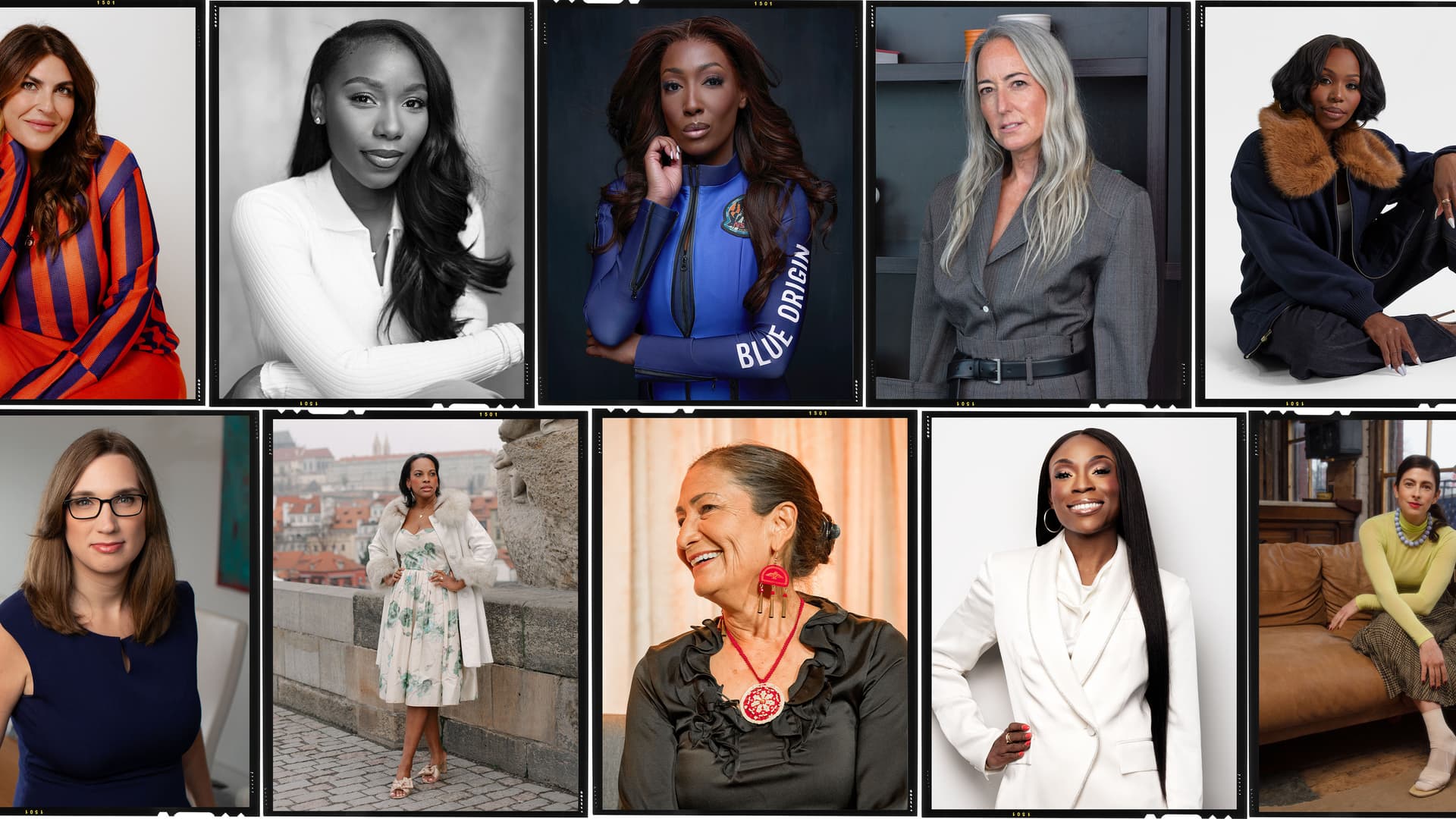
Powerful women are dressing for endurance, not theatre. A recent Marie Claire feature on what women leaders actually wear to the office puts Sarah McBride, Deb Haaland, and Katie Sturino in the same frame, and that mix matters: politics, culture, and business all arrive at the same conclusion, that clothing has to perform as hard as the person wearing it.
That urgency is not abstract. Gallup said fully remote work was least popular with Gen Z in July 2025, and McKinsey and LeanIn.Org’s 2025 Women in the Workplace study drew on pipeline data from 124 organizations employing roughly three million people, plus about 10,000 surveyed employees and more than 60 chief HR officers and other executives. The office is still a place where presentation carries weight, and women are still calibrating how to look composed without looking overworked by their clothes.
The real rule is repeatability
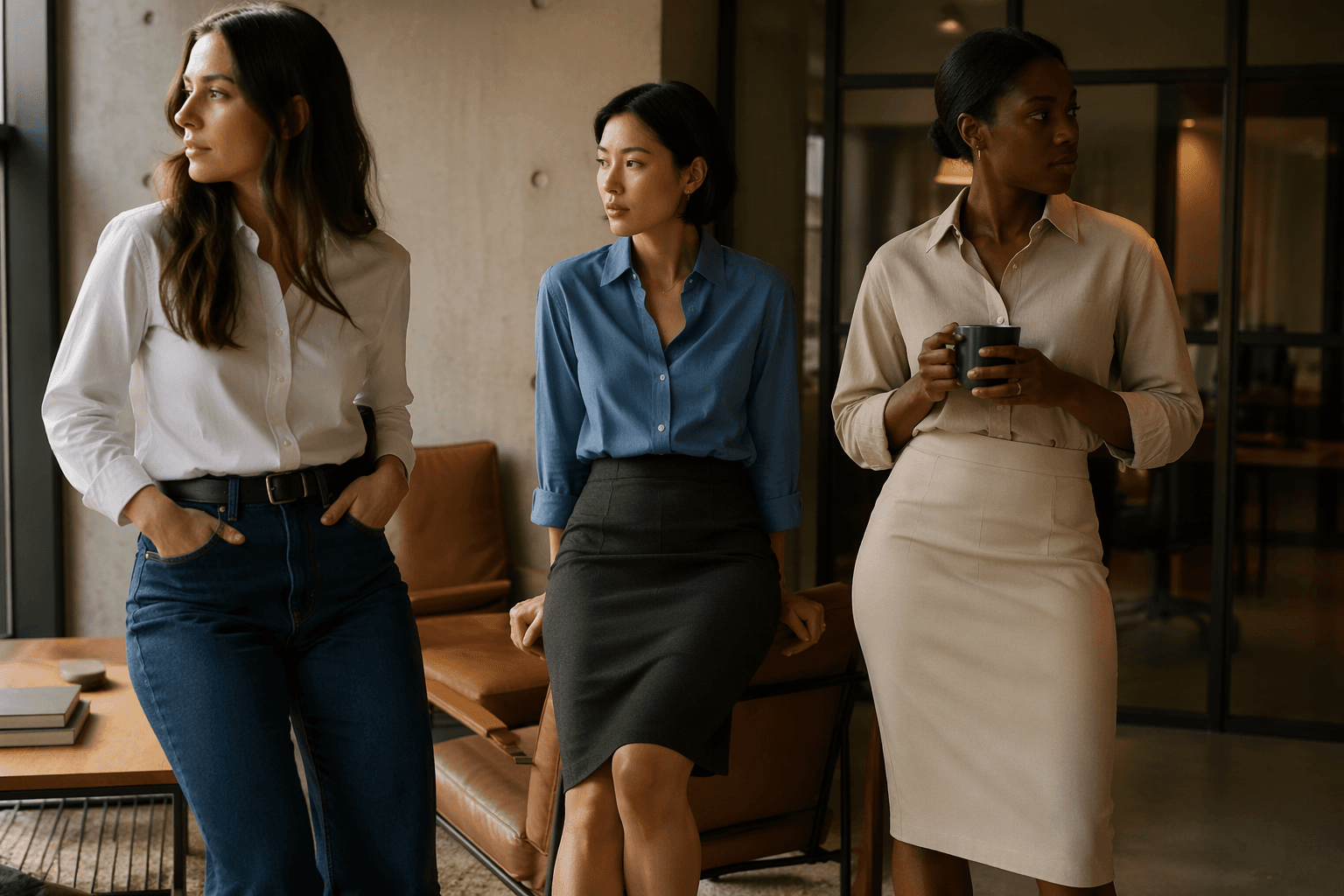
The most convincing office wardrobes are not built on novelty. They rely on a narrow set of pieces that can be worn on rotation, styled quickly, and trusted when the day stretches from the first meeting to the last email. That is why the strongest workwear stories right now are not about fantasy suiting, but about garments that stay sharp after hours of sitting, walking, commuting, and presenting.
A leader like Sarah McBride projects authority differently from Deb Haaland or Katie Sturino, but the throughline is the same: a recognizable silhouette, a sense of discipline, and pieces that do not need constant adjustment. The best office clothes disappear into the work. They keep their shape, skim the body cleanly, and never ask for a styling rescue halfway through the day.
What to build into your own rotation
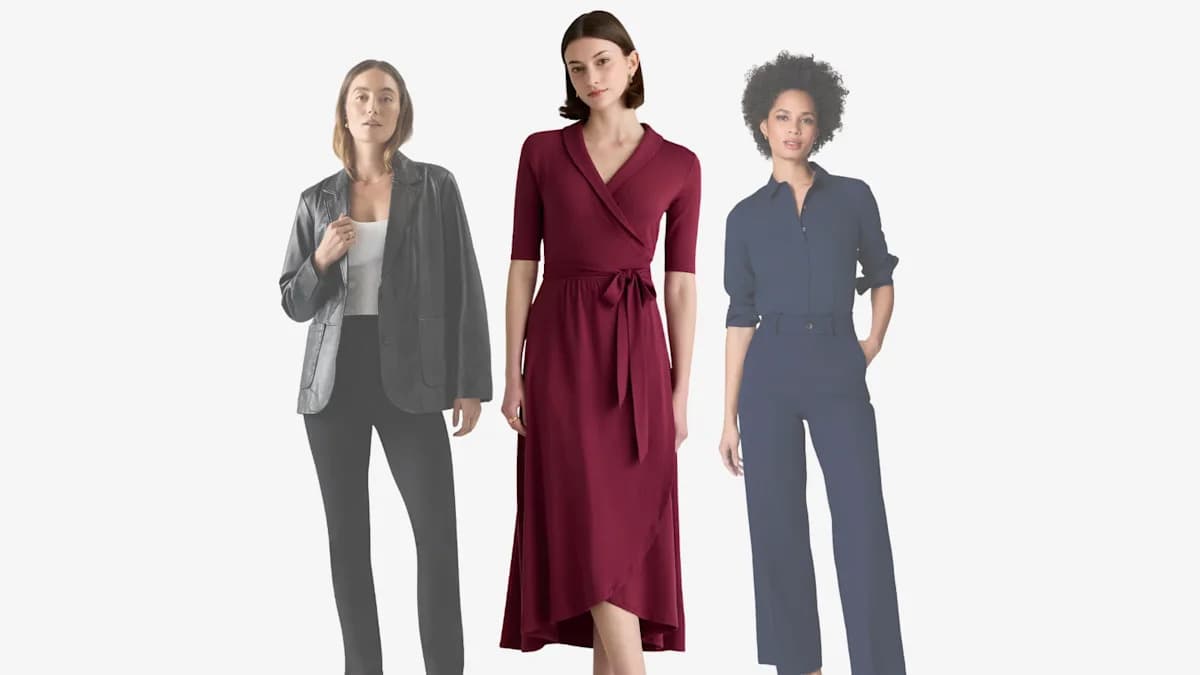
- A well-cut blazer with enough structure to sharpen the shoulder, but not so much padding that it feels dated.
- Trousers that fall cleanly from the hip and survive sitting for hours without collapsing into wrinkles.
- A top or shirt that layers easily under tailoring and still looks polished without a jacket.
- One dress that can stand alone with simple shoes and also hold its own under a blazer.
- Shoes that can handle real mileage, because confidence evaporates fast when your feet are in revolt.
Fit is the quiet power move
The difference between looking dressed and looking authoritative is almost always fit. On powerful women, clothing tends to sit close to the body without clinging, with hems that land where the line feels intentional and sleeves that actually hit the wrist. That kind of precision reads as calm, and calm is one of the most persuasive things you can wear.
The trick is not to chase tightness or volume for its own sake. Instead, look for balance: a jacket with enough room to button comfortably, trousers that elongate rather than bunch, and knits that trace the torso without stretching thin. The result is a silhouette that feels controlled, which is exactly what long office days demand.
Practical polish is the new luxury
If the modern office uniform has a secret weapon, it is utility disguised as elegance. The strongest work outfits are the ones that survive coffee runs, transit delays, desk lunches, and late meetings without losing their line. That means favoring fabrics and construction that can take a little wear, because a pristine look that only survives under perfect conditions is not really office wear at all.
Marie Claire’s recent run of workwear coverage, including spring work outfits, winter workwear, back-to-office shopping, and what editors wear to work, points to a simple truth: office dressing changes with the season, but the underlying brief does not. You still need clothes that layer well, breathe when the calendar gets crowded, and stay elegant when the day runs long. That is the difference between an outfit and a working wardrobe.
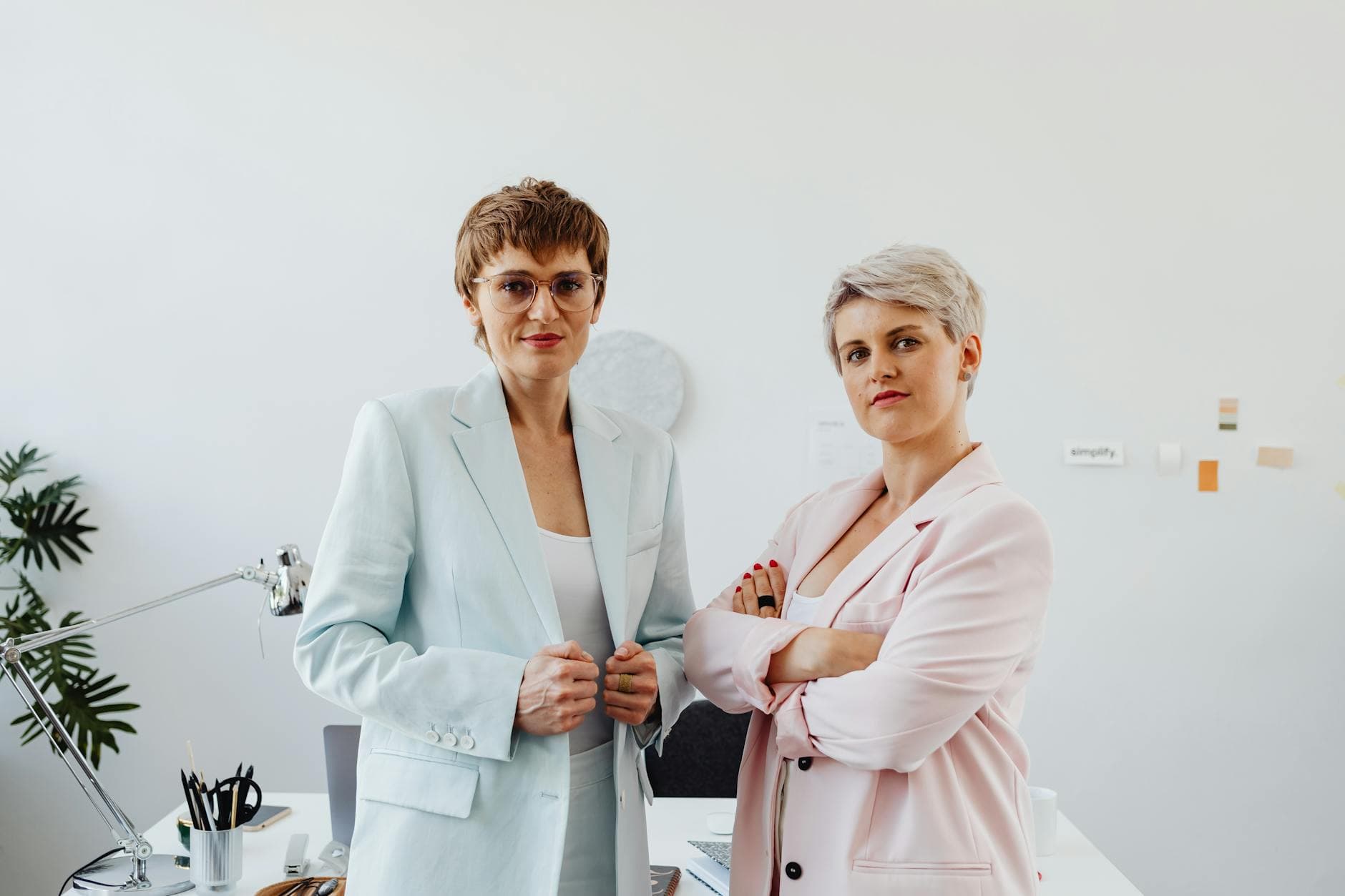
Women with authority tend to dress in systems, not statements
The most useful lesson from women leaders across industries is that they tend to repeat what works. That does not mean dressing without personality. It means developing a system, such as a preferred trouser shape, a reliable jacket length, or a color family that always feels like you, then letting those pieces do the heavy lifting.
A strong office wardrobe should make your choices easier, not harder. If a blazer sharpens every dress in your closet, if one pair of trousers works with three different shoes, if a knit top can go under tailoring or stand alone, you are dressing the way experienced women do: with efficiency, not excess. That kind of repetition creates recognition, and recognition is a form of authority.
There is history in every collar and hemline
The urge to dress with intention is older than any current workplace trend. The Metropolitan Museum of Art says the Costume Institute’s collection spans more than 33,000 objects across seven centuries, while the Victoria and Albert Museum says its fashion collection reaches across five centuries. That is a long record of women using clothes to define space, command attention, and decide how they want to be read.
Seen in that context, the current office wardrobe conversation feels less like a trend cycle and more like another chapter in a very old style language. The modern woman in power is not inventing a new uniform from scratch. She is refining one, choosing pieces that move easily between authority and ease, and proving that the strongest office clothes are the ones that earn their place every single day.
This article was produced by Prism’s automated news system from verified source data, official records, and press releases, then run through automated quality and moderation checks before publishing. The system is built and supervised by the people who set the standards it runs under. Read our full AI policy.
Did this article answer your question?