Who What Wear spotlights lightweight jackets for polished work outfits
The smart summer layer now is lighter, cleaner, and office-ready: think short trenches, barn jackets, car coats, denim coats, and sporty anoraks.
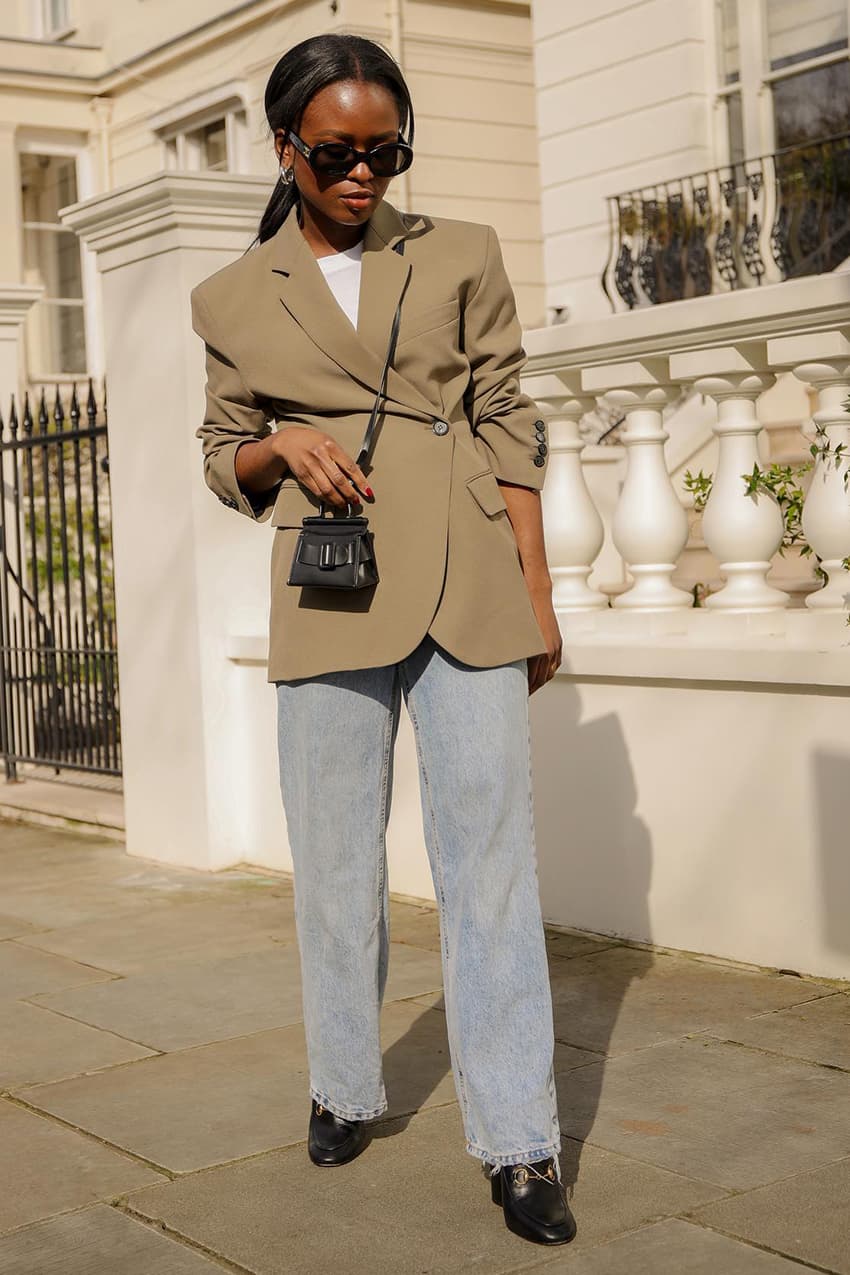
Relaxed short trenches, lightweight barn jackets, car coats, denim coats, and sporty anoraks are doing a very specific job this season: looking polished under office air-conditioning and holding their own on a commute that can start in sunshine and end in a downpour. In her jacket edit for Who What Wear, Nikki Chwatt lands on exactly that mix, all of it calibrated for warm-weather layering without the bulk.
The new work jacket formula
The silhouettes stay tidy enough for meetings and client-facing days, but they carry the ease of summer clothes, which means lighter fabrics, softer structure, and a less armored feel than the heavyweight jackets you’d reach for in fall. In Who What Wear’s June 2026 archive, the story sits inside a broader sweep of summer style stories, alongside trench-coat and jacket coverage focused on outerwear that works in heat.
The best summer jacket disappears into your outfit until the thermostat turns aggressive, then makes a sleeveless dress, a crisp shirt, or wide-leg trousers look finished. The key is choosing a shape that suits the setting.
For the boardroom: the relaxed short trench
If your day moves from desk to presentation to conference room, the relaxed short trench is the cleanest option in the mix. It keeps the trench coat’s familiar polish, but the shorter cut makes it feel lighter and easier to wear over tailored separates without swallowing the outfit. A short trench also solves a summer proportion problem: it gives you the crispness of a coat while letting the hem of a dress or the line of a trouser stay visible and sharp.
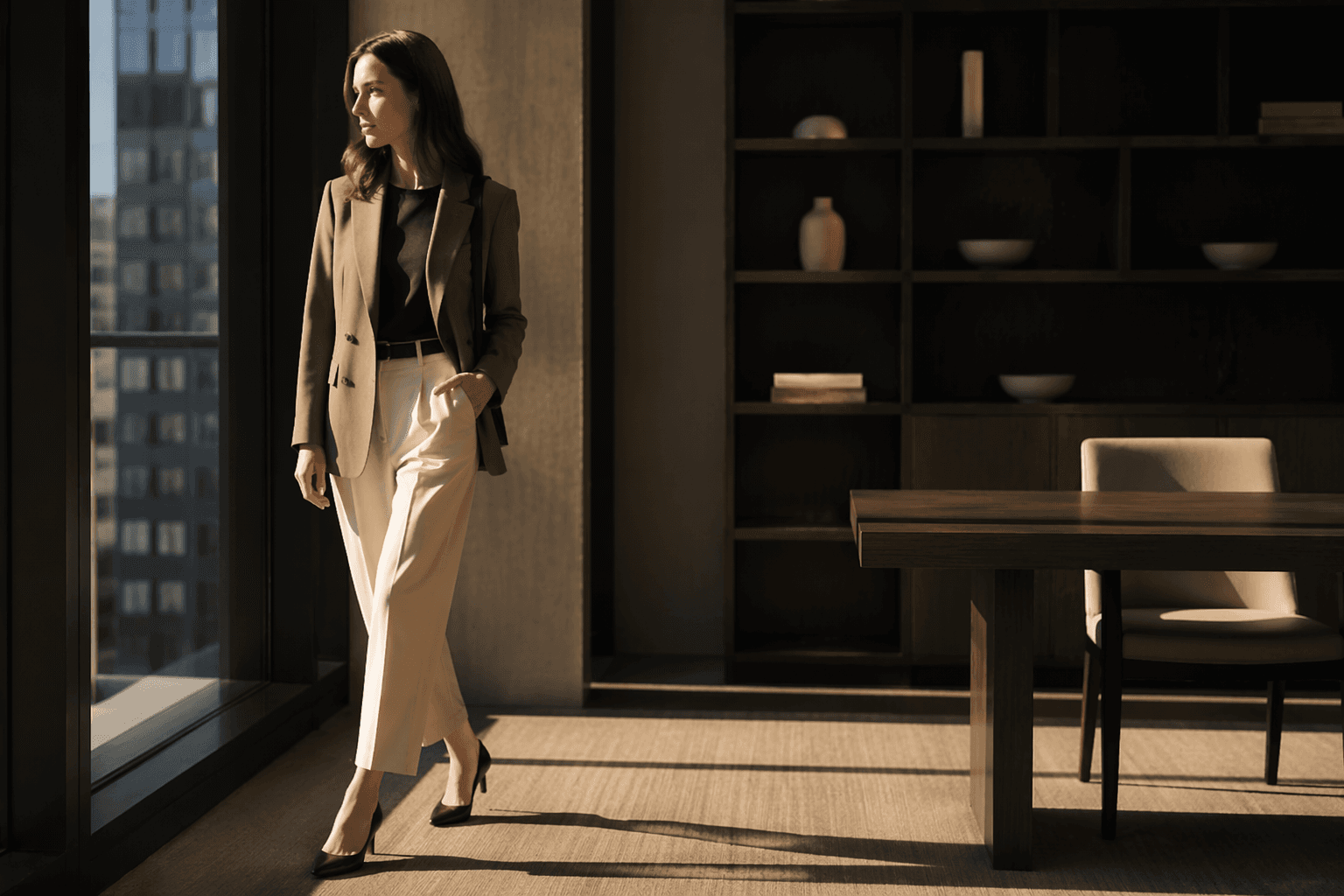
Who What Wear’s spring and summer 2026 trench-coat coverage keeps returning to this silhouette. It has the authority of classic workwear, but in a cropped or relaxed version, it reads less severe and more current. Wear it with a sleeveless shell, a pleated midi skirt, or straight-leg trousers when you want to look buttoned up without feeling heavy.
For the business-casual office: the lightweight barn jacket
The lightweight barn jacket is the least expected office piece in the edit, and that is exactly why it works. Its practical roots give it an easy confidence, but in a lighter summer fabrication, it can sit neatly over a knit polo, a poplin shirt, or a simple tank and still look intentional. The shape is usually a touch boxier than a trench, which makes it especially good with slim skirts or tailored pants that need a bit of contrast.
This is the jacket for offices where the dress code is polished but not precious. It has enough structure to feel like outerwear rather than an afterthought, yet it avoids the stiffness that can make summer layering look overworked. A barn jacket in a pale neutral or soft stone tone looks especially smart against navy, black, or chocolate tailoring.
For client lunch: the car coat
The car coat is the sleeper hit of summer workwear because it naturally feels composed. Its lines are typically streamlined and unfussy, which makes it ideal for the kind of lunch where you want to look put together the second you remove your bag and sit down. Unlike a trench, it does not ask for much styling; unlike a barn jacket, it does not skew too casual.
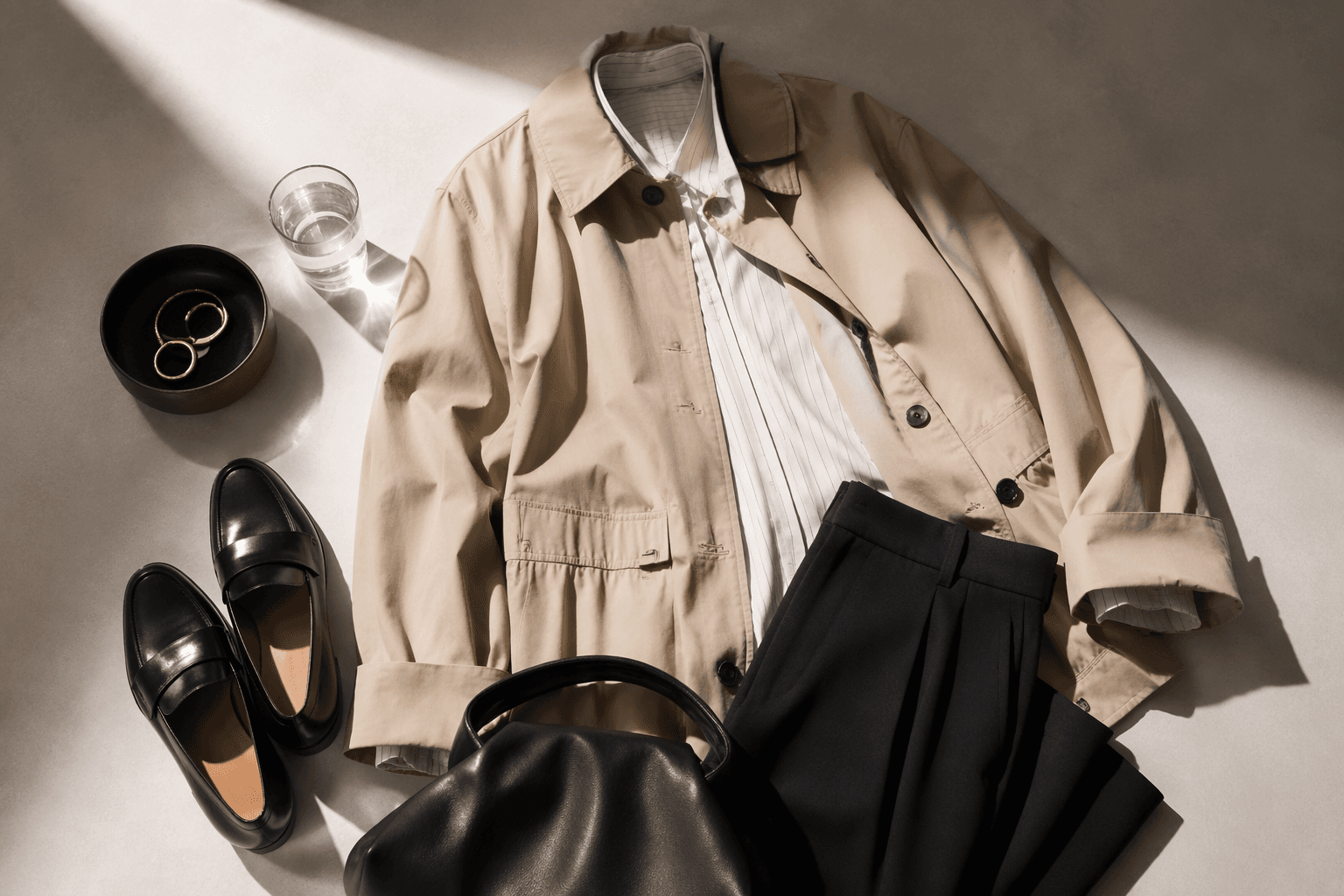
That middle ground fits easily into a client-facing wardrobe. Throw it over a silk blouse and tailored trousers, or use it to sharpen a column dress, and the whole outfit suddenly feels more deliberate. In warm weather, a car coat in a lighter fabric gives you the polish of a proper jacket without the visual weight that can make summer clothes feel out of season.
For the train commute: the denim coat
The denim coat is the most relaxed piece in the edit, but it still earns its place in workwear because it handles the in-between hours so well. Morning platforms, over-air-conditioned trains, and evening walks home call for something with coverage but not too much insulation, and a lightweight denim coat does that neatly. It brings a little structure to softer outfits and can make even simple office basics look more considered.
In Who What Wear’s June archive, the piece appears among summer jacket options, and that is where denim has an advantage: it feels familiar, durable, and easy to style with the kinds of separates most people already own. Pair it with tailored trousers and loafers if you want to keep it office-appropriate, or layer it over a dress when you need something that can move from commute to after-work plans without a wardrobe change.
For unpredictable weather: the sporty anorak
The sporty anorak is the pragmatic choice, and there is nothing dull about that when the weather turns. It is the one jacket here that can handle a sudden gust, a misting rain, or an over-cooled office lobby without derailing the outfit underneath. In summer, its appeal lies in its lightness: it reads more agile than bulky, more urban than outdoorsy.
As a work layer, it is best when the rest of the outfit is kept clean and tailored. Think straight trousers, a crisp tee, and sleek sneakers for a commute, or a column dress with minimal accessories when you want the jacket to bring just enough ease. Who What Wear’s adjacent spring and summer 2026 trend coverage also emphasizes sporty outerwear.
How to wear the edit without losing the polish
All five silhouettes rely on restraint. The shortest trenches, the lightest barn jackets, the neatest car coats, the easiest denim coats, and the most streamlined anoraks stop short of bulk.
For office dressing, that means choosing jackets with clean hems, calm colors, and enough structure to look finished the moment you step inside.
This article was produced by Prism’s automated news system from verified source data, official records, and press releases, then run through automated quality and moderation checks before publishing. The system is built and supervised by the people who set the standards it runs under. Read our full AI policy.
Know something we missed? Have a correction or additional information?
Submit a Tip