Why Linen Is Becoming the Go-To Sustainable Fabric for Workwear
Linen’s cool, strong weave makes it ideal for modern workwear, breathable, grown with less water, and built to last, it solves both climate comfort and sustainability for office wardrobes.

1. Breathability and climate comfort
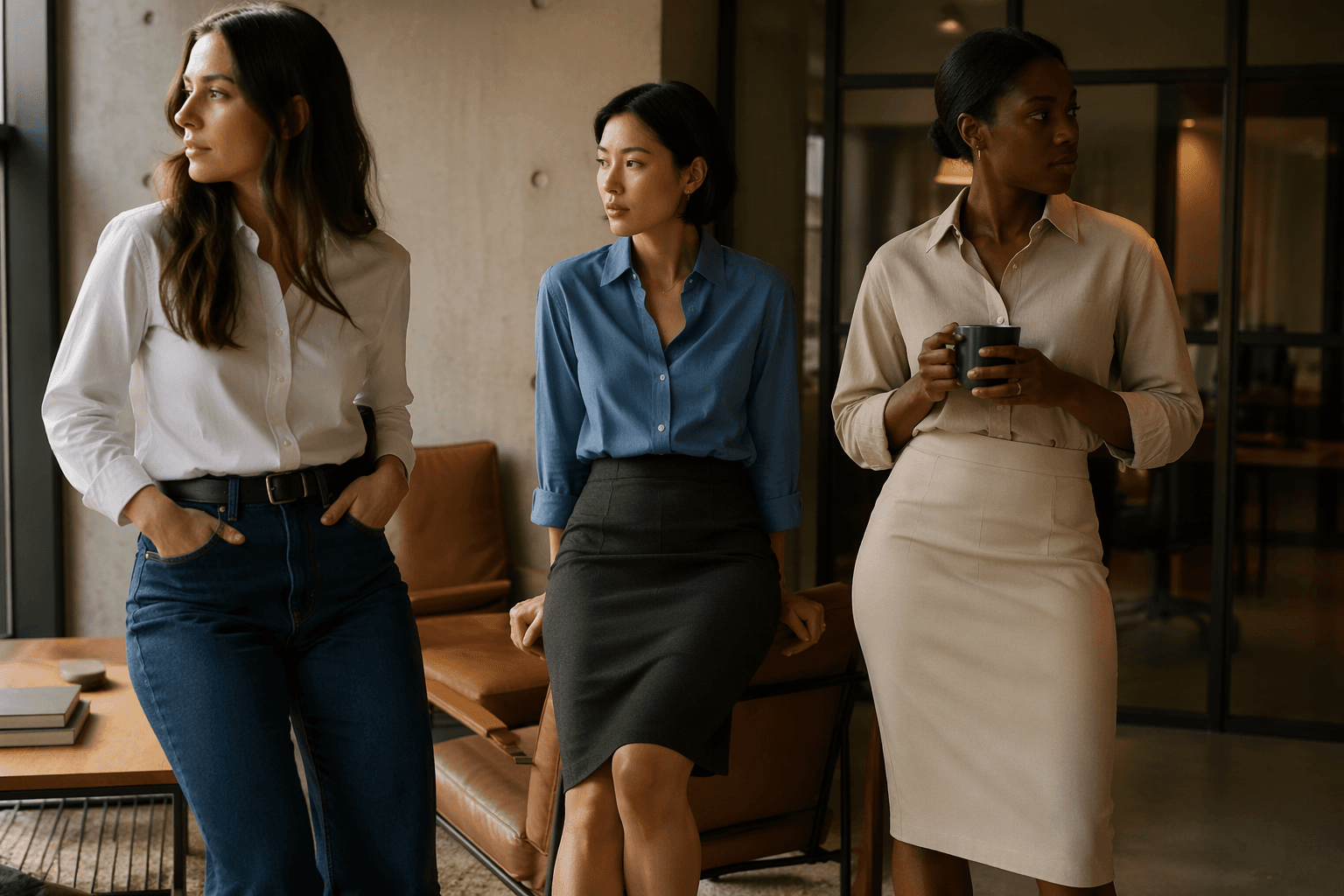
Linen’s open, slubbed weave is literally engineered for air: it wicks moisture and allows heat to dissipate, so pieces feel cool against the skin in long commutes and stuffy meeting rooms. For workwear, where a blazer, shirt or wide-leg trouser must perform from desk to dinner, that breathability translates into real comfort and confidence rather than constant wardrobe fidgeting. As brands push adaptable wardrobes, linen’s natural thermoregulation becomes a product-level selling point for garments meant to be worn all day without heavy layering. Practically speaking, breathable linen garments reduce reliance on synthetic performance liners, aligning the office wardrobe with a cleaner material story.
2. Low-water cultivation profile and lower input footprint
One of the clearest sustainability advantages touted for linen is its low-water cultivation profile: flax requires substantially less irrigation and fewer chemical inputs than many commodity fibers, making linen a material that reduces upstream environmental burden. That matters for product-level decisions, designers and buyers building sustainable office collections are choosing linen over high-water crops so a jacket or shirtdress carries a smaller footprint before it even leaves the mill. Because the fiber is grown rather than heavily processed, the life-cycle emissions tied to raw-material cultivation can be meaningfully lower, which is precisely why sustainable office wardrobes increasingly specify linen for seasonal staples. For commercial collections, this reduces the “embodied impact” that often makes tailored workwear hard to justify from a sustainability perspective.
3. Durability and longevity as a design feature
Linen is not only breathable and low-input; it is also remarkably durable. The fiber’s tensile strength gives garments structural resilience, think blazers that keep their lines, shirts that resist pilling, trousers that survive repeated wear, so product-level claims about longevity are credible when paired with linen construction. Importantly for sustainable workwear, durability means fewer replacements and a smaller wardrobe churn: a well-cut linen blazer or pencil skirt can be part of a capsule rotation for years, which is the practical metric sustainability-minded shoppers care about. Designer houses and contemporary brands are increasingly advertising linen pieces with lifecycle narratives, wear it now, soften it over seasons, repair it if needed, because the material rewards that slow-fashion approach.
4. Tailoring versatility and tactile polish
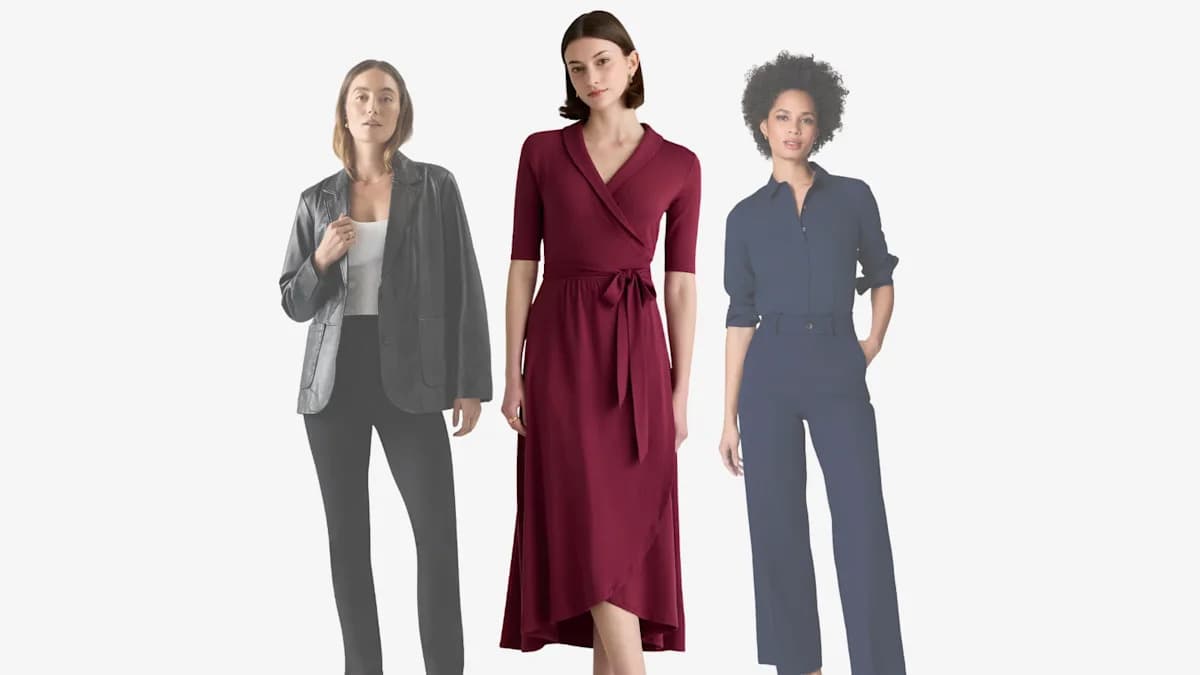
Linen’s tonal slub and matte sheen read as sophisticated when cut sharply and as relaxed when left loose; this duality is a major reason it’s migrating from casual resortwear into the language of the office. On the product level, linen can be woven into crisp suiting cloths for structured blazers, into softer poplin-like shirting for long-sleeve staples, or into midweight canvases for trousers and midi skirts, each weave delivering different drape and hand but the same sustainable narrative. Stylists on the showroom floor appreciate how linen layers: a lined linen blazer gives polish without overheating, while an unlined linen shirt gives elegant informality that photographs well on hybrid-work video calls. In short, linen’s textural identity lets designers create multiple silhouettes, fitted, boxy, fluid, without swapping to petrochemical-based fabrics.
5. Suitability for sustainable office wardrobe strategies
When brands craft a sustainable office wardrobe, they look for fabrics that satisfy both ethical criteria and product-level performance; linen checks both boxes. Its combination of breathability, low-water cultivation profile and durability means linen pieces can be positioned as core investments, capsule blazers, shirting, tailored trousers and sheath dresses, that form the backbone of a conscious workwardrobe. From a merchandising perspective, linen’s neutral colorways and natural hand work easily into seasonless assortments, reducing the pressure to replace goods with each trend cycle and supporting circular buying habits. The upshot: linen allows designers and shoppers to build thoughtfully priced, long-lasting office wardrobes that are as practical in daily wear as they are defensible in sustainability claims, a rare convergence that will keep linen central to workwear collections going forward.
This article was produced by Prism’s automated news system from verified source data, official records, and press releases, then run through automated quality and moderation checks before publishing. The system is built and supervised by the people who set the standards it runs under. Read our full AI policy.
Did this article answer your question?