Your Complete Guide to Dressing for Job Interviews Across Every Industry
71% of companies reject candidates who dress inappropriately for interviews, and the fix isn't "dress up more" — it's knowing exactly what each industry expects.

Getting dressed for a job interview sounds straightforward until you realize that the outfit that signals sharp ambition in a Goldman Sachs lobby reads as wildly out of place at a Williamsburg tech startup. Industry dress codes vary dramatically: what's appropriate for tech startups looks unprofessional in finance, and vice versa. The stakes are higher than most candidates assume. 71% of companies will reject an applicant if they aren't dressed appropriately for the interview. That's not a soft signal; it's a hard filter. Before you've said a word, your clothes have already cast a vote.
Why Your Outfit Matters More Than You Think
Hiring managers form initial impressions within seven seconds of meeting you, and 55% of that impression is based on appearance. Professional interview style has shifted beyond evaluating skills alone; companies now assess presence, reliability, and trust from the moment you walk through the door. Your appearance communicates everything an interviewer needs to know about your attention to detail, situational awareness, and preparation habits before you speak a single word.
The underlying principle cuts across all industries: people judge you less on "style" and more on appropriateness for the context. The goal isn't to look fancy. The goal is to look appropriate, intentional, and non-distracting.
The One Rule That Works Everywhere
Before diving into industry specifics, there's a single tactical rule worth memorizing. "Dress for the job you want" is outdated advice; dress one level above the company's daily dress code to show respect for the interview process. In practice, that looks like this: if the daily dress code is casual, aim for business casual. If it's business casual, go for a full suit. This shows respect for the interview process and demonstrates that you're serious about the opportunity.
Researching a company's culture before you shop or dress is non-negotiable. Check out the organization's "About Us" page or social media profiles for clues about how current employees typically dress. Sleek, modern, or techy décors might suggest a business casual dress workplace. Traditional, upholstered furniture, heavy-looking wood desks, and plush carpets may suggest a formal business workplace.
Finance, Law, Consulting and Corporate Roles: Business Formal
Business formal is the standard for industries like finance, law, accounting, consulting, government, and senior executive roles. If you are interviewing for a position where clients, board members, or regulators are part of your daily world, this is the dress code to follow.
A well-fitted two-piece suit in navy, charcoal, or dark grey is the safest choice. Pair it with a crisp white or light blue dress shirt. On the shirt front, white works with every suit colour and tie combination, making it the safest choice for initial interviews. Light blue adds subtle personality without introducing risk, particularly effective when paired with charcoal grey or navy suits.
Footwear carries surprising weight in these rooms. Shoe condition matters more than style choice; scuffed, dirty, or unpolished shoes signal carelessness regardless of how expensive or well-constructed they are. Oxford lace-up shoes have served as the classic business professional footwear for decades, offering a safe choice that never raises questions about appropriateness. Their formal structure communicates respect for traditional professional standards.
On accessories: smartwatches create genuine problems during interviews. Constant notifications buzz on your wrist, creating distractions that pull your attention from interview conversations. When interviewers notice your distraction, they question your ability to focus and engage fully. Traditional watches eliminate these concerns while appearing more polished and intentional.
In 2026, gender-neutral power suits and modern tailored looks are increasingly popular for people of all genders in these formal settings, so the territory is broader than it once was. The conservatism is about cut and colour, not conformity.
Technology, Marketing and Mid-Sized Companies: Business Casual
Many companies today, especially in technology, marketing, media, education, and mid-sized businesses, operate on a business casual basis. This dress code gives you more flexibility, but it still requires looking polished and intentional.
For a practical blueprint: dress trousers or well-pressed chinos in navy, grey, or khaki paired with a collared dress shirt or a smart button-down. You can skip the tie, but make sure the shirt is ironed and fits well. A blazer or sport coat elevates the look and shows you put thought into your outfit. Leather shoes in brown or black, loafers or brogues, round things off. Avoid jeans, trainers, and anything with visible logos or graphics.
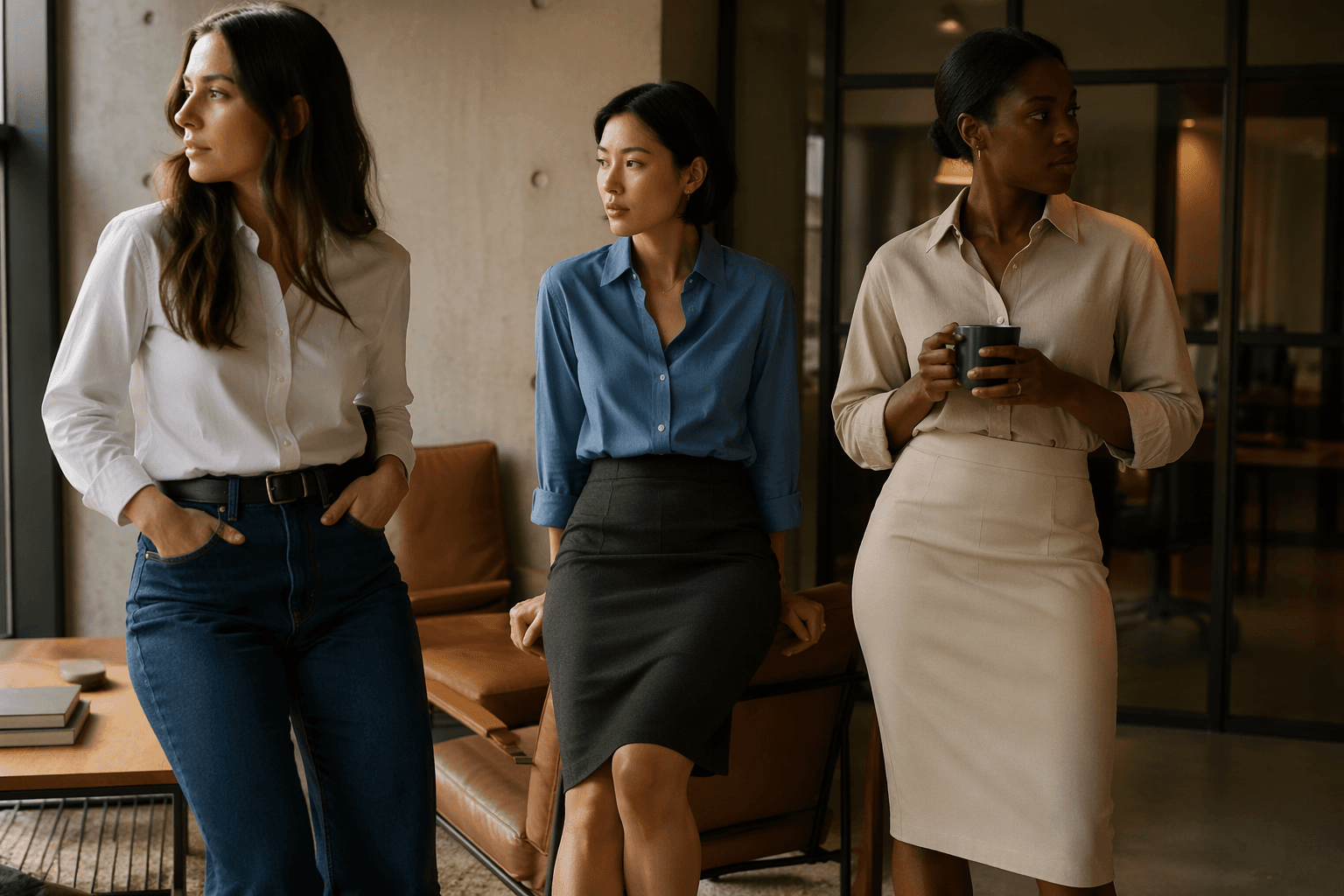
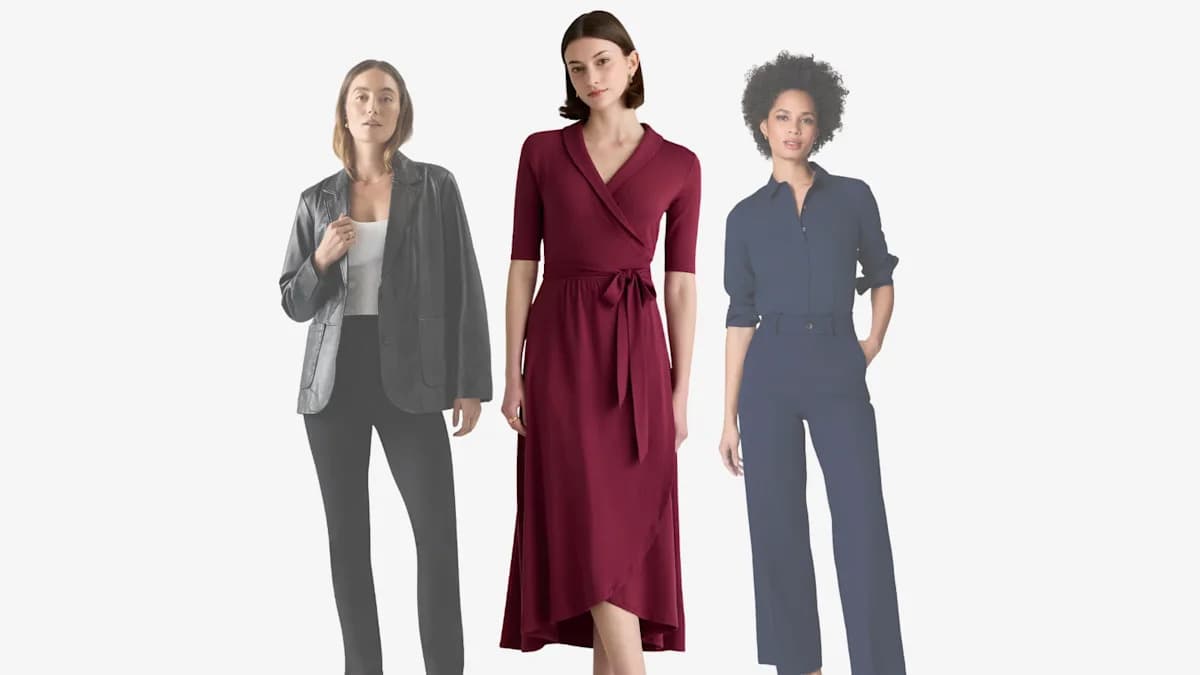
For women, tailored trousers or a knee-length skirt with a blouse, a smart knit top, or a structured sweater works well. A blazer adds a professional finish. Closed-toe shoes, either low heels or clean flats, keep the look grounded.
Creative Fields: Intentional Personal Style
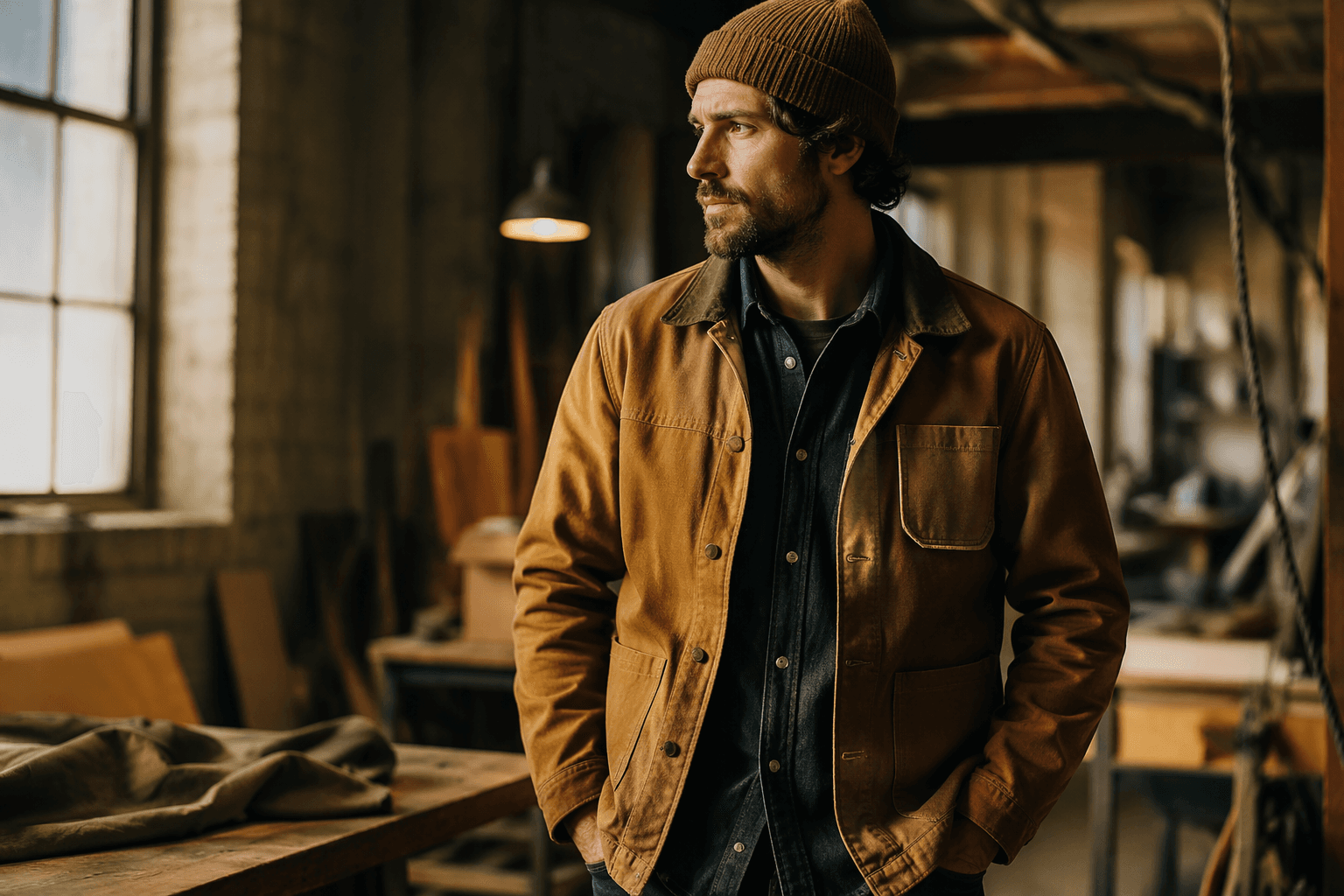
In creative environments such as a design company, art gallery, or clothing boutique, you might find a more fashion-forward culture of dressing. In this case, you might choose garments and accessories that reflect the latest trends and resemble the styles worn by employees and clientele.
That said, creative does not mean "anything goes." You still need to look like someone who takes the role seriously. A carefully chosen accessory, such as an interesting watch, a quality scarf, or well-made shoes, can set you apart. The key principle is intentionality. Even in a relaxed environment, your outfit should look like you put thought into it. Wrinkled, ill-fitting, or visibly worn clothing sends the wrong message regardless of how casual the culture is.
Healthcare, Trades and Industry-Specific Roles
Many medical professionals wear scrubs, lab coats, and other such attire on the job. For the job interview, dress business casual or wear a suit based on the type of position. The interview context demands a step up from the daily uniform, even if you'll never wear it again after you're hired.
For healthcare, government, and education roles, it depends on the role. Corporate-facing or leadership interviews lean toward business professional attire; clinical or administrative interviews may accept business casual. The higher the responsibility, the more formal the expectation.
For trades and manufacturing positions, stick with business casual attire for construction, HVAC, and other such trades interviews. A collared shirt and a pair of khaki slacks works for most manufacturing interviews. For mid- and upper-management positions, also add a sports jacket or opt for a suit and tie.
The Video Interview: Same Rules, Different Pitfalls
Many offices have relaxed day-to-day dress codes. Startup culture and remote work have made hoodies and jeans common. But an interview is a special situation where you should still err on the side of more professional attire.
Dress just as you would for an in-person interview, at least from the waist up. Avoid patterns that can blur on camera, and choose colours that contrast with your background. On the colour question specifically: when it comes to what you wear on camera, colour really matters. Avoid wearing the same colour as the wall behind where you sit. If your home office has white walls, don't wear a white shirt. Choose hues that add colour to your face, like pink, blush, or even jewel tones.
The Details That Quietly Decide It
The small things form a coherent picture of professionalism, or the absence of it.
- Ensure your clothes are pressed and immaculate, with no wrinkles and no stains. Attention to these details shows professionalism.
- Pay attention to grooming: neat hair, clean nails, and subtle or no fragrance, as a strong cologne or perfume can be overwhelming in close quarters.
- Dress socks must match shoe colour to create a seamless professional line in your outfit.
- Job seekers of all gender identities should wear what makes them feel comfortable and confident, without sacrificing professionalism. A good rule: focus on fit, cleanliness, and polish rather than conforming to outdated gender norms.
- If possible, change into your interview outfit before you arrive. Keep it in your car or in a nearby restroom if needed. If you can't change, choose an outfit that works for both settings or dress up your work outfit with a blazer and better shoes.
What Not to Wear
Certain items reliably undermine an otherwise strong candidacy. Across industries, the consensus on what to leave at home includes:
- Jeans (except in clearly signalled creative or casual environments, and even then, only dark, unripped denim)
- Athletic shoes, flip-flops, sandals, or anything open-toed
- Visible logos, graphics, or bold slogans
- Anything wrinkled, stained, or visibly worn
- Overpowering fragrance
- Busy patterns or loud prints, particularly for video interviews where they distort on screen
The job market has become increasingly competitive, and when candidates possess similar qualifications, professional dress becomes a differentiating factor. Your clothing and grooming establish credibility immediately, signalling whether you understand professional standards and respect the opportunity.
Your resume earns the interview. How you dress determines whether the interviewer is genuinely listening when you walk through the door.
This article was produced by Prism’s automated news system from verified source data, official records, and press releases, then run through automated quality and moderation checks before publishing. The system is built and supervised by the people who set the standards it runs under. Read our full AI policy.
Did this article answer your question?