Anniversary Gift Trends, Consumer Data, and Curated Ideas for Retail Buyers
Anniversary gifting is evolving fast, and the retailers who win are those who plan with data, not instinct.
Anniversary gifts occupy a unique corner of the gifting market: they're purchases made with high emotional stakes, reasonable budgets, and a buyer who genuinely wants to get it right. Unlike holiday gifts, which often default to safe categories, anniversary gifts invite specificity. The person giving a fifth-anniversary present has context: they know their partner, they know their relationship, and they're looking for something that reflects both. That's the opportunity for retailers and makers who stock with intention.
GDA's Gift Book is one of the industry's most practical resources for understanding exactly that opportunity. The guide compiles consumer survey data, trend analysis, curated product ideas, and merchandising guidance into a single reference designed for gift and retail buyers and makers planning occasion-specific assortments. For anyone building out an anniversary category, whether that's a boutique curating a wedding anniversary section or a larger retailer mapping a milestone gifting strategy, the data and curation inside GDA's guide offers a foundation that gut instinct alone can't provide.
What the data actually tells buyers
Consumer survey data is the backbone of smart anniversary assortment planning, and it consistently reveals a gap between what givers think they should buy and what recipients actually want. Survey data compiled for the trade tends to show that recipients prioritize experiences and personalization over price point, which means a $60 custom-engraved piece will outperform a $200 generic luxury item more often than retailers expect.
Understanding the "why" behind a purchase is as important as knowing the category. Anniversary shoppers are motivated by milestones: first, fifth, tenth, twenty-fifth, fiftieth years each carry their own cultural weight and corresponding gift expectations. Retail buyers who merchandise with those milestones in mind, grouping products by year or symbolic material rather than by price tier alone, consistently see stronger sell-through in this category.
Trend calls worth acting on
The anniversary gifting market has moved decisively toward personalization, experiences, and items that carry a story. Engraved jewelry, custom map prints, and bespoke home objects have held strong for several years, not because they're trendy, but because they solve the core gifting problem: how do you give something that feels singular?
Sustainability is another axis gaining traction in anniversary gifting specifically. Couples who married in the last decade are increasingly aligned on values around craft, origin, and longevity, which means heritage goods, small-batch makers, and items with transparent provenance are performing well in anniversary assortments. A hand-thrown ceramic piece from a named studio, presented well, will outperform a mass-market equivalent even when priced higher.
The "traditional" anniversary gift list, wood for fifth, silver for twenty-fifth, gold for fiftieth, continues to drive search behavior and retail demand. Savvy buyers use that framework as a merchandising scaffold, stocking modern interpretations of each material rather than literal iterations. A live-edge walnut serving board reads as a fifth-anniversary gift without requiring a tag that says so.
Curated product ideas by milestone
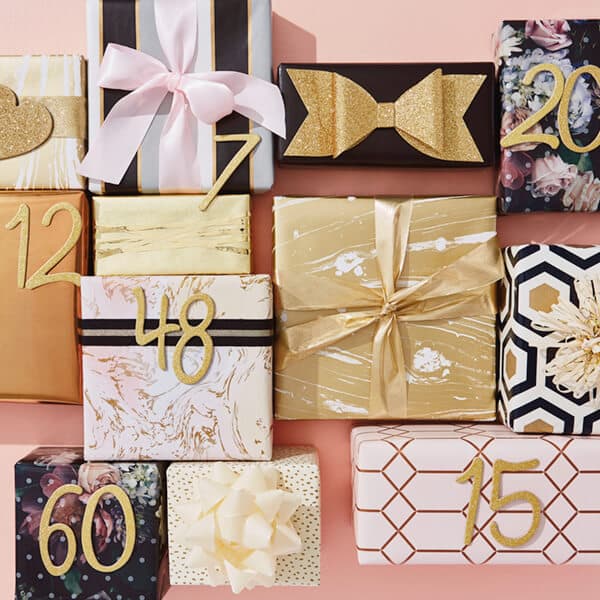
First anniversary gift-giving centers on paper, the traditional material, and many contemporary brands have built beautiful product lines around this: letterpress stationery, custom illustrated portraits, hand-bound journals. The category is affordable and highly giftable, with strong margin potential for independent retailers.

Fifth anniversaries, tied to wood, open up a broader range: cutting boards, personalized keepsake boxes, engraved wooden watches, or a commissioned piece from a local woodworker. The key merchandising insight here is that the material tells the story; the product just needs to tell it beautifully.
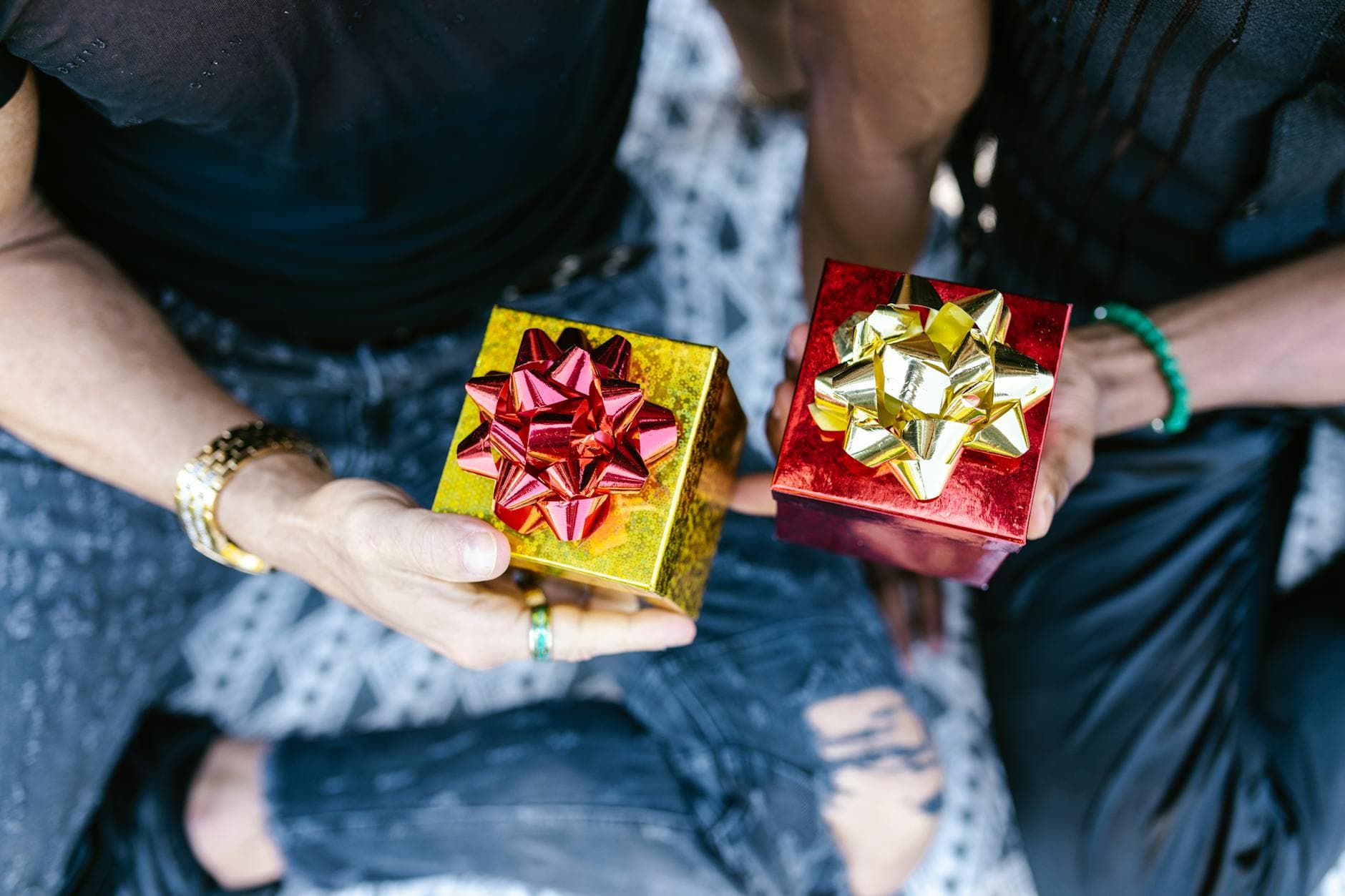
Silver (twenty-fifth) and gold (fiftieth) anniversaries skew toward jewelry and home objects, and these are categories where presentation matters enormously. A sterling silver picture frame presented in a velvet-lined box communicates value at a completely different register than the same frame in a poly bag. Retail buyers sourcing for these milestones should be thinking about the full unboxing experience, not just the object.
Merchandising guidance that moves units
How you present anniversary gifts matters as much as what you stock. A dedicated anniversary section, organized by milestone year rather than category, makes the shopping experience easier and signals to the customer that your store understands the occasion. Clear signposting, "1st," "5th," "25th," helps buyers who are often working with limited time and high anxiety about getting the gift right.
Bundling is underutilized in anniversary gifting. A "paper anniversary" bundle that pairs a custom print with a handwritten card kit and a bottle of wine from the couple's wedding year is a far more compelling offer than any single item sold alone. Retailers who build these kits thoughtfully, and present them at a single price point, reduce decision fatigue and increase average transaction value simultaneously.
Seasonality matters less in anniversary gifting than in most categories, which is part of what makes it valuable to stock year-round. Unlike Valentine's Day or the holiday season, anniversaries are distributed across the calendar. A retailer with a well-stocked, well-signed anniversary section is capturing demand every week of the year, not just during peak windows.
The case for stocking with intention
The retailers and makers who treat anniversary gifting as a serious category, rather than an add-on to their wedding or holiday assortment, are the ones building loyal customer bases. A buyer who finds the perfect gift for their first anniversary in your store is very likely to return for the fifth, the tenth, and beyond. That lifetime value is worth the investment in thoughtful curation.
GDA's Gift Book exists precisely because this category rewards preparation. Consumer data, trend forecasting, and curated product guidance aren't luxuries for large retailers; they're the tools that allow any buyer, at any scale, to stock with confidence and sell with clarity. The anniversary gift category is not going to get simpler as consumer expectations for personalization and meaning continue to rise. The retailers who invest in understanding it now will be the ones with the assortments that actually sell.
Know something we missed? Have a correction or additional information?
Submit a Tip