Diamond anniversary gifts, how to choose using the GIA 4Cs
The smartest diamond anniversary gift starts with the GIA 4Cs, not carat size. Honest labeling, a GIA report, and the right anniversary tradition keep you from overpaying for glittery jargon.
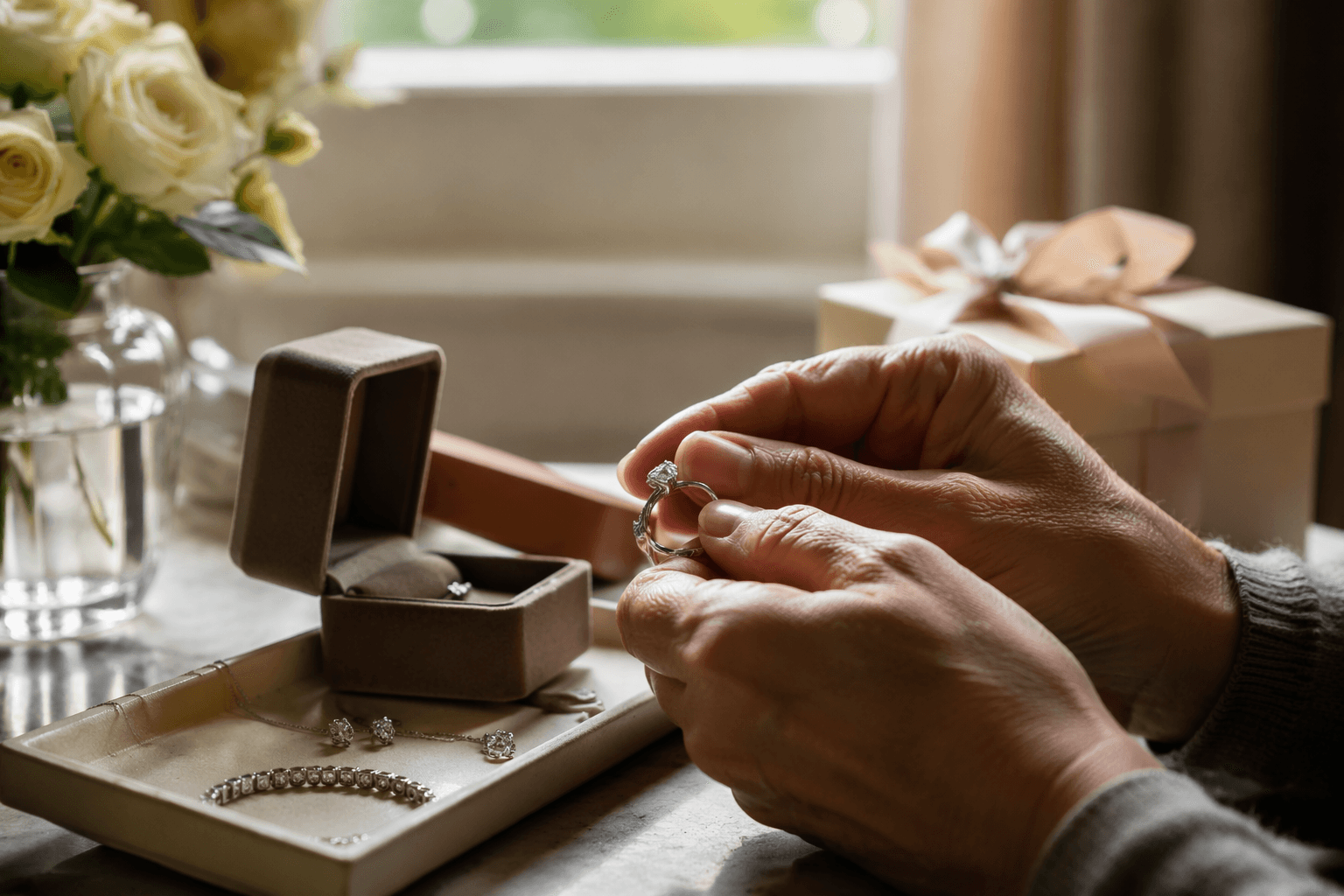
A well-cut 0.75-carat diamond can look brighter and more expensive than a bigger 1-carat stone with weak proportions. If you are buying a diamond anniversary gift, ignore the size-first sales pitch and use the GIA 4Cs to compare stones. That matters whether you are choosing a ring, pendant, earrings, or bracelet for a 10th, 20th, 25th, 50th, 60th, or 75th anniversary.
Start with the 4Cs, not the carat headline
The GIA 4Cs are cut, color, clarity, and carat weight, a system founder Robert M. Shipley coined in the 1940s. Carat weight itself has been used consistently since the 1500s, but the modern 4Cs changed how diamonds are evaluated, bought, and sold.
Cut is the one to look at first. Cut quality drives a diamond’s fire, sparkle, and brilliance, and it is the easiest C for most buyers to see. In plain English, the stone’s proportions and light performance can matter more to the eye than sheer size.
Color, clarity, and carat weight are where the budget tradeoffs happen. Color and clarity move the price, but they do not always move the look in a dramatic way once a diamond is set and worn. Carat weight still matters, but it sits alongside cut, color, and clarity.
What matters, and what is sales fluff
The useful facts are simple: cut grades, color grades, clarity grades, and carat weight. The fluff is anything that tries to replace those four with vague language like “exceptional brilliance” without showing you the grading details. If a seller leans hard on size, asks you to trust their eyes, or skips the paperwork, you are being pushed toward a purchase that is hard to compare and easy to overpay for.
The safest move is to ask for a GIA diamond grading report. It tells you exactly what you are buying, and global jewelers, appraisers, museums, auction houses, and diamond buyers trust it.
Before you buy, ask these questions:
- Is this diamond natural, laboratory-grown, or simulated?
- Can you show me the GIA report?
- Which of the 4Cs is driving the price?
- Are you trained through GIA Graduate Gemologist or Applied Jewelry Professional?
- Can I see the jeweler in the GIA Retailer Lookup?
- What is my exact budget range before I look at settings?
Natural, lab-grown, or imitation: the label has to be honest
The Federal Trade Commission requires jewelry descriptions to be truthful and non-deceptive, and laboratory-created diamonds must be described as “laboratory-grown,” “laboratory-created,” or similar wording immediately before the word diamond, in a clear way that also makes it plain they are not mined diamonds. Simulated or imitation diamonds must be labeled as imitation or simulated, not simply as diamonds.
The price gap can be huge. Natural Diamond Council materials put a 1.5-carat laboratory-grown diamond at $10,750 in 2015 and about $1,770 in Q3 2024.
GIA’s laboratory-grown diamond services use a distinct report format, and GIA laser-inscribes the girdle with the term Laboratory-Grown plus the GIA report number or quality assessment number. For loose colorless to near-colorless lab-grown diamonds weighing 0.15 carats or more, GIA’s quality assessment classifies stones as Premium or Standard.
How anniversary tradition fits the buying decision
Diamond anniversaries are not as tidy as they sound. There are two diamond anniversaries, the original 75th and the 60th, which was added after Queen Victoria’s Diamond Jubilee in 1897. Emily Post published the first known list of traditional anniversary gifts in 1922 and expanded it in 1957.
For today’s buyer, the most useful detail may be Hallmark’s current material listing diamond jewelry as the modern gift for the 10th wedding anniversary. That gives you permission to buy diamond jewelry long before the 60th or 75th, which is helpful if the real milestone is 10 years, not a once-in-a-century tradition.
Choose the form that matches how they wear jewelry
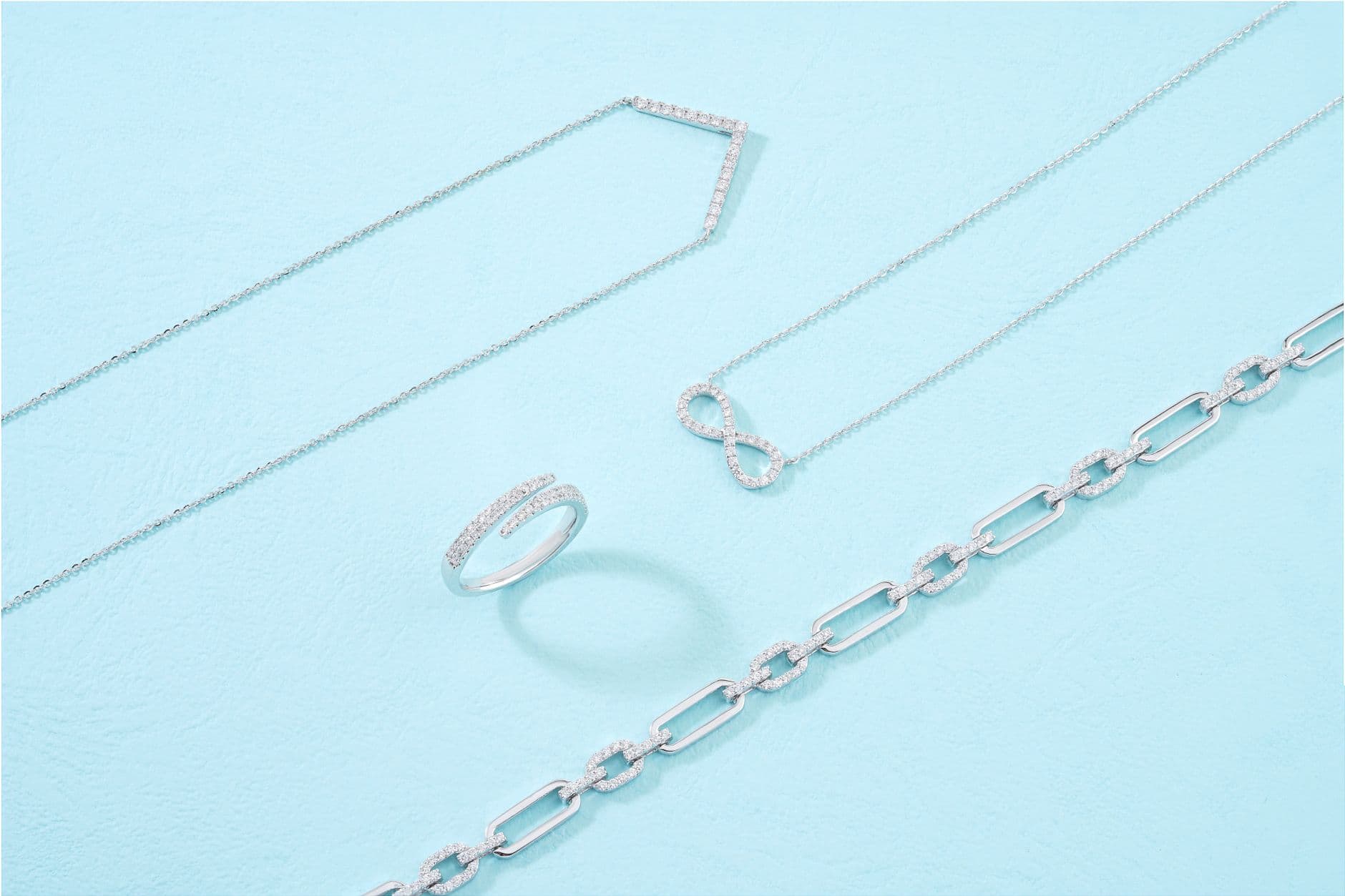
Rings led diamond-jewelry purchases at 39% in a 2025 Natural Diamond Council overview report, with earrings at 20%. Not every anniversary buyer wants the same thing. A ring is the obvious statement piece, but earrings can be the cleaner choice if you want something easier to wear often, and pendants or bracelets can be smarter if you are trying to avoid ring sizing headaches.
The form you choose should match the wearer’s habits, not just the occasion’s symbolism. If they already wear a lot of rings, another one may feel redundant. If they rarely wear one, a pair of earrings or a pendant can deliver the diamond without demanding a new daily routine.
This article was produced by Prism’s automated news system from verified source data, official records, and press releases, then run through automated quality and moderation checks before publishing. The system is built and supervised by the people who set the standards it runs under. Read our full AI policy.
Did this article answer your question?