March 2026 Retail & E-commerce Outlook: AI-Driven Personalization, Supply Chain Resilience, and the Creator Economy
The 500-year tradition of anniversary gifts by material meets AI personalization: how to use it smartly, time your orders, and vet creator picks before buying.

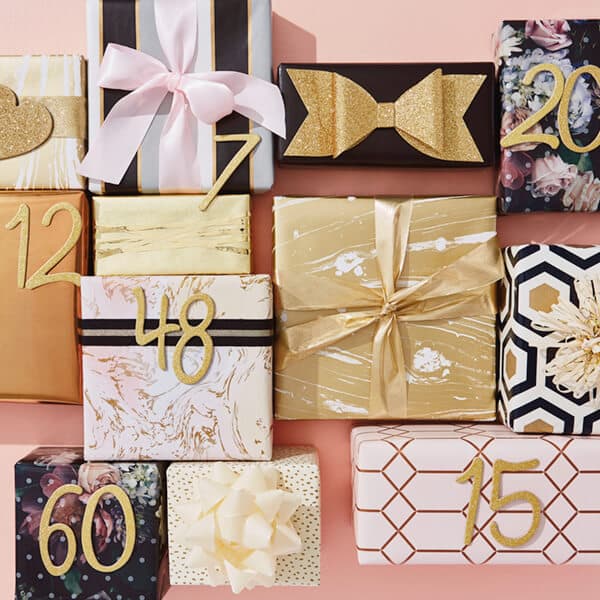
Few rituals in married life are as quietly eloquent as the material gift. The progression from paper at year one to gold at year fifty isn't arbitrary sentiment; it is a structured vocabulary that has been building for centuries. Associating gold with a 50th anniversary and silver with a 25th has been documented in Germanic countries since the 1500s, making this one of the oldest continuous gift traditions in the Western world. In English-speaking countries, the custom expanded through the 19th century, and by the early 1900s the full progression had been codified: paper (1st), leather (4th), wood (5th), linen (12th), crystal (15th), china (20th), silver (25th), and gold (50th). The logic isn't decorative. Each material encodes the emotional reality of a marriage at that stage: paper is fragile and full of promise; leather is broken in and dependable; gold has survived everything.
What has changed is how you find the right version of each material. Three forces are reshaping anniversary shopping in 2026 in ways that matter to anyone who takes the tradition seriously: AI personalization that surfaces options before you think to search, nearshored supply chains that make custom keepsakes actually deliverable on time, and a creator economy that has turned experiential anniversary ideas into instant purchase options, though not always ones worth trusting.
Using AI Personalization to Find Better "By Year" Gifts
The most useful shift in online gift-finding isn't the chatbot. It's the layer beneath it. Retailers now deploy large language models and visual search tools to predict what a shopper wants based on browsing behavior, purchase history, and broader interest signals, before a single search query is typed. For anniversary shoppers, this means an algorithm can surface a custom leather-bound journal or a handcrafted wooden map before you've typed "5th anniversary gift ideas."
Amazon's conversational approach has pushed this further, prompting buyers to specify the recipient relationship, occasion type, hobbies, budget range, and any restrictions or preferences. The result is a dramatically narrowed field, particularly useful when shopping by milestone. A prompt like "personalized wood gift under $150 for a partner who loves travel" produces targeted results in seconds that a generic category browse would never find. Shopify's quiz integrations work similarly, walking buyers through a three-to-five-step profile before presenting a curated shortlist.
The risk is the generic pick. Recommendation systems optimize for what has converted before, which means they systematically favor bestselling items over genuinely personal ones. A personalized cutting board may rank first for every 5th-anniversary wood search not because it's the most meaningful option, but because tens of thousands of shoppers bought it before you. The override rule: use AI to set the category and budget window, then hand-edit within those results. Look specifically for items with genuine customization options: engraving, handwriting replication, coordinate mapping, custom date typography. These are harder for algorithms to differentiate but far more meaningful to receive.
For milestone years where budget tends to expand, the modern anniversary list created by the Chicago Public Library is worth consulting alongside the traditional one. The modern list moved diamond from the 60th anniversary to the 30th, added clocks and stationery into earlier years, and reflects a more contemporary emotional vocabulary. Running both lists through an AI assistant with specific prompts gives you a wider creative frame than either provides alone and surfaces options you genuinely wouldn't have considered.
Supply Chain Timing: What to Order Early
Custom and personalized anniversary gifts are the category most vulnerable to delays. Engraved jewelry, hand-poured candles with specific scent profiles, bespoke leather goods, and made-to-order prints all require lead time that two-day delivery culture has trained shoppers to forget exists. A ruby anniversary ring with a custom setting takes weeks, not days.
The structural shift reshaping this is nearshoring. A survey of 250 retail supply chain leaders found that 84% expect to restructure their logistics partnerships by 2026, with retailers overwhelmingly prioritizing North American warehousing and regional distribution to shorten transit times. That benefits shoppers buying domestically made goods, but it does not eliminate the production queue for custom work. Execution is also uneven: only 58% of those same leaders felt confident their current logistics providers could actually support the shift, meaning delays in the premium custom-gift tier remain a real risk through 2026.

For anniversary shoppers, the practical calendar looks like this:
- 3 to 4 weeks out: Any personalized item (engraved jewelry, custom prints, monogrammed leather goods, handmade ceramics)
- 6 to 8 weeks out: Milestone gifts involving precious metals or fine jewelry, particularly for 25th, 40th, and 50th anniversaries
- Same week: Ship-proof alternatives including digital experience gift cards, off-the-shelf leather accessories that can be locally monogrammed, and short-run photo books from services with reliable domestic fulfillment
The categories most likely to experience stock issues or delays are artisan leather goods from small-batch makers, personalized ceramics (the traditional 9th-anniversary material), fine jewelry with custom settings, and specialty map or custom artwork prints that require human production steps. If you're within two weeks of the date and still need something personalized, shift toward digital-first options: a professionally designed anniversary book, a curated experience voucher, or a subscription to a service tied to a shared interest. These arrive instantly and can be presented with a physical element purchased locally.
The Creator Economy Credibility Checklist
Creators on TikTok Shop, Instagram, and YouTube have become a genuinely useful starting point for anniversary gift discovery, particularly in experiential categories: cooking classes, weekend retreats, custom star maps, and personalized keepsake services that traditional retail has been slow to merchandise well. Live shopping formats have accelerated this further, converting anniversary content into immediate purchase options within the same viewing session.
The problem is structural. Creator gift recommendations are frequently driven by affiliate commission rates, brand sponsorships, and algorithmic reward, not by what actually makes the best gift. A creator promoting a $180 engraved jewelry piece may have received it for free, may earn a percentage of every sale through a tracked link, and may not have verified the maker's production quality, return window, or delivery reliability.
Before purchasing any anniversary gift from a creator recommendation, run it through this checklist:
1. Disclosure check. Does the post include #ad, #sponsored, or a paid partnership label in the first line of the caption? Under current FTC enforcement guidelines, undisclosed paid or gifted promotions still result in regulatory action. No disclosure is a red flag, not proof of genuine enthusiasm.
2. Review sourcing. Are the product reviews on the retailer's own site, or do they link to independently verified platforms? Creator-curated bundles on TikTok Shop frequently direct to new storefronts with limited review history.
3. Delivery and return policy. Anniversary gifts carry a specific date. Confirm whether the seller offers tracked shipping with a guaranteed window and a clear return policy before the date matters.
4. Repeat endorsement pattern. Has the creator mentioned this product more than once, across different formats, outside of a campaign period? Organic repetition across time is the most reliable credibility signal in creator commerce.
5. Price context. Does the creator compare the price to alternatives, or simply present it as a value? A recommendation that says "this runs $85 and comparable engraved options are typically $120 to $140" is doing editorial work. One that only says "I love this and you will too" is doing marketing.
The best creator finds in the anniversary category tend to be smaller makers and independent artisans who lack large retail distribution: a ceramics artist selling handmade anniversary pottery, a letterpress studio offering custom vow prints, a chef offering private anniversary tasting experiences bookable through a direct link. The checklist above isn't about distrust. It's about reading the difference between a creator who uses commerce as a discovery layer and one who has simply been paid to move units. The tradition of giving the right material at the right milestone deserves that level of discernment.
Know something we missed? Have a correction or additional information?
Submit a Tip