Readers Share Their Most Memorable Mother’s Day Gifts, From Notes to Outings
The gifts people remember are rarely the most expensive ones. In seven reader memories, handwritten notes and shared outings beat big splurges every time.
The best Mother’s Day gifts are the ones that make her feel seen
The strongest Mother’s Day gifts are not the biggest purchases. They are the ones that land with emotional recognition, the kind that says, I know you, I noticed you, and I planned this for you. That is why the most memorable reader stories in this year’s Mother’s Day round-up kept circling back to two simple things: a handwritten note and a shared outing.
The timing is telling. Mother’s Day falls on Sunday, May 10, 2026, and Americans are expected to spend a record $38 billion on the holiday this year, up from $34.1 billion last year and above the previous high of $35.7 billion in 2023. But the money story and the memory story are not the same thing. The spending surge may be real, yet the gifts people talk about longest are often the quietest ones.
Handwritten notes still hit harder than a price tag
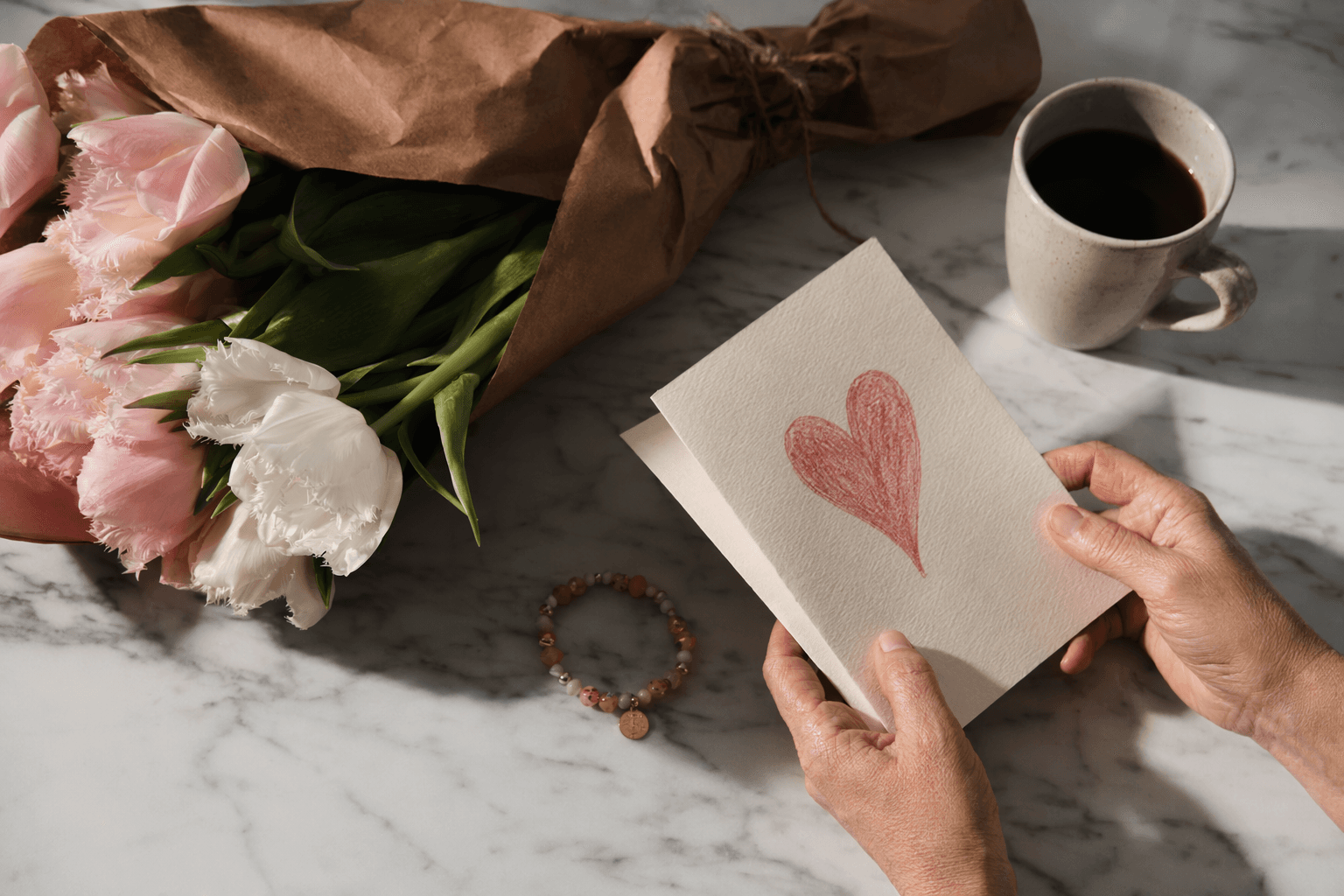
Across the seven listener memories, the smallest gesture kept earning the biggest reaction: a heartfelt note. That makes sense. A note is not just a present, it is proof that someone sat down long enough to think in full sentences about what a mother means to them. It is personal in a way that cannot be mass-produced, and it survives after flowers fade and takeout containers are gone.
This is exactly why the old assumptions about Mother’s Day gift giving keep falling apart. The holiday has been associated with the second Sunday in May since it became a national holiday in 1914, when Woodrow Wilson issued Proclamation 1268. Anna Jarvis organized the first formal observance in 1908 and later denounced the commercialization that followed. Her original instinct still feels relevant: the point was never to turn the day into a shopping contest, but to make gratitude visible.
A good note does not need literary polish. What matters is specificity. The readers who kept talking about notes were responding to the emotional precision of them, the sense that someone had noticed the invisible labor, the routines, the steadiness. That is a much stronger gift than another generic object wrapped in tissue paper.
The other memory-maker is time, not stuff
The second pattern in the reader stories was bigger, but not necessarily pricier: a planned outing. Some mothers remembered the effort of being taken somewhere special, not because the destination was lavish, but because someone else handled the work of making the day feel different. That kind of gift turns logistics into care.
What stands out here is the difference between buying something and creating a memory. A bouquet is lovely. A brunch reservation is nice. But an outing, when it is chosen with intention, can become a story the family retells for years. It gives the day a shape, a beginning, a middle, and a shared ending.
That is why so many people keep reaching for experiences when they want to do Mother’s Day well. The best ones do not announce themselves with a big reveal. They show up as relief, as thoughtfulness, as the feeling that someone planned ahead so Mom could simply enjoy being there.
What the seven stories reveal about giving this year
The listener memories point to a clear set of takeaways, and they are practical enough to use immediately:
- Choose recognition over spectacle. A gift gets remembered when it reflects a specific relationship, not a generic idea of motherhood.
- Put the feeling in writing. A sincere note can carry as much emotional weight as a much more expensive present.
- Give time, not just things. A shared outing works because it creates a memory while also removing the burden of planning from her plate.
- Make it personal, not polished. The most meaningful gestures feel tailored to the person, not to the algorithm.
That is the deeper story behind the numbers. Even with record spending expected this year, the emotional center of Mother’s Day is still low-tech and human. It is a day that rewards attention, and attention is still the most underrated luxury.
Why this holiday still belongs to the personal gesture
There is something fitting about that, given the holiday’s history. Anna Jarvis wanted a formal day of recognition, not a commercial spectacle. The National Park Service describes her as the primary advocate for establishing Mother’s Day as a holiday, and the National Retail Federation has been tracking how Americans celebrate since 2003. The annual survey now lands in a very different world from Jarvis’s, but the emotional math has not changed much.
The readers in this story were not really celebrating paper or reservations. They were celebrating the feeling of being known. That is why a note can outlast a necklace and why a day out can mean more than a boxed gift. The most memorable Mother’s Day presents still do the same quiet thing they always have: they make love legible.
When the day arrives, the smartest gift is usually the one that sounds like a person, not a purchase.
This article was produced by Prism’s automated news system from verified source data, official records, and press releases, then run through automated quality and moderation checks before publishing. The system is built and supervised by the people who set the standards it runs under. Read our full AI policy.
Did this article answer your question?