Top Editor-Tested Gift Picks for Her, Organized by Category
Finding a gift she'll actually love means thinking in categories, not price points. Here's how to get it right.
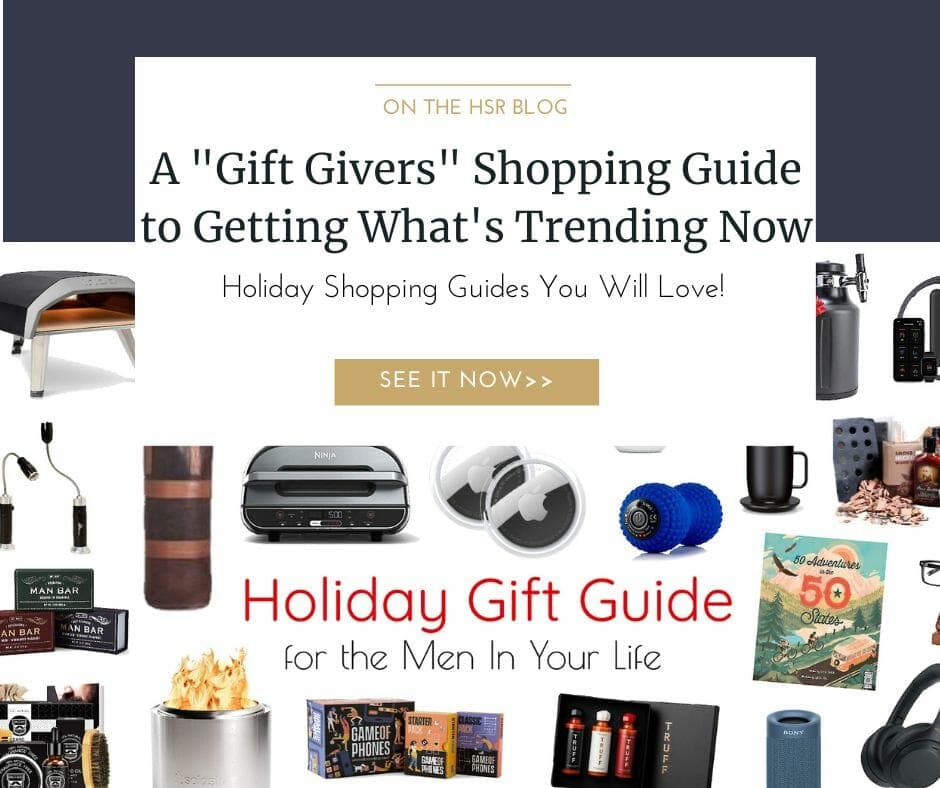
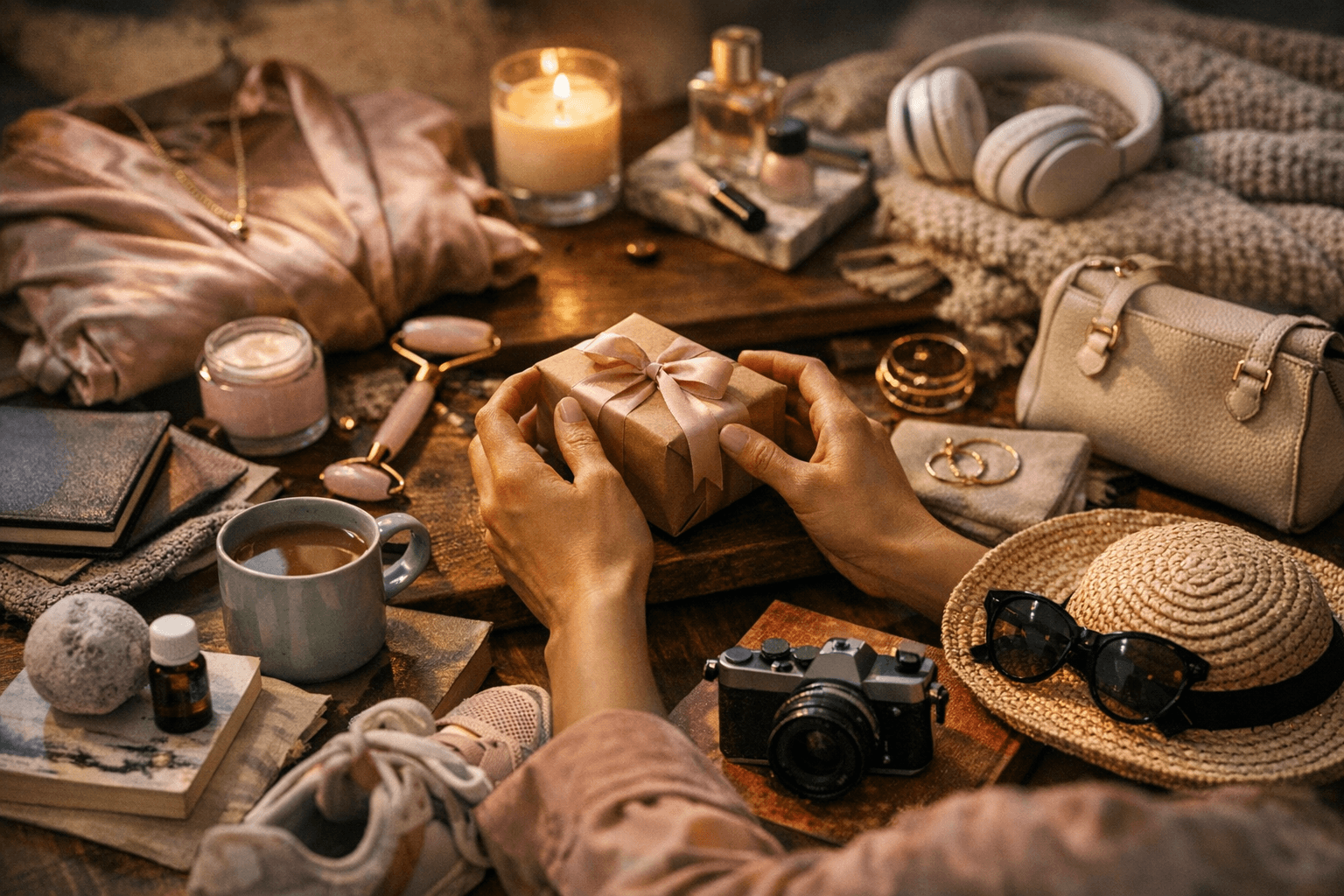
The difference between a gift that lands and one that gets quietly donated comes down to specificity. Not price. Not brand recognition. Specificity: knowing what kind of person she is, what she already has too much of, and what category of her life could use a thoughtful upgrade. The framework that works best, whether you're shopping for a new mother, a best friend, or a partner marking a milestone anniversary, is to organize your thinking by category before you ever start browsing.
Start with who she actually is, not who you think she should be
The most common gifting mistake is aspirational shopping: buying the yoga mat for someone who keeps saying she wants to get into yoga, or the cookbook for someone who doesn't really cook. The gifts that resonate are the ones that meet her where she is, not where she might be in six months. Before you consider a single product, think about the categories that define her daily life. Is she someone who treats her morning skincare routine as a ritual? Does she travel constantly and live out of a carry-on? Is she a homebody who has invested real attention in her living space? The category is your entry point.
This is the editorial logic behind the best gift guides: organizing by recipient and by category so that the person doing the shopping can quickly locate themselves in the right section and start making decisions with context rather than noise. When recommendations are tested and curated rather than algorithmically assembled, the signal-to-noise ratio improves dramatically.
Beauty and self-care: the category where intention matters most
Beauty gifts live and die by personalization. A generic gift set from a department store counter communicates obligation; a single, specific product chosen because you noticed something she mentioned three months ago communicates attention. The most successful beauty gifts tend to be either an upgrade on something she already uses and loves, or an introduction to a brand she's been curious about but hasn't justified buying for herself.
Consider the difference between gifting a full body lotion set versus a single exceptional hand cream from a brand with a genuine backstory. The latter signals curation. It says: I thought about this specifically for you. Fragrance follows the same logic. A perfume she already wears in a larger size, or a discovery set from a house she's expressed interest in, will outperform a bottle chosen for its packaging.
Skincare tools, particularly facial massage tools and high-quality cleansing brushes, have become gifting staples precisely because they feel indulgent but practical. They're the kind of purchase most women won't make for themselves but will use every day once they have one.
Home and living: gifts that improve a space she's invested in
Home gifts work when they're specific to her aesthetic, not yours. If her apartment runs warm and minimal, a sculptural candle in a neutral ceramic vessel reads as considered. The same gift given to someone whose home is filled with color and maximalist layering might feel sterile. The category of home goods is broad enough to include everything from high-quality linen napkins to a single, beautiful object that functions as art. Price range here is genuinely wide: a well-chosen candle at $45 can feel more luxurious than a generic throw blanket at $150 if the thought behind it is apparent.
Kitchen and entertaining gifts deserve their own consideration, particularly for women who host regularly. A beautiful serving piece, a set of textured glassware, or a single exceptional olive oil in a bottle that looks good on the counter: these are gifts that get used and noticed. They occupy a useful middle ground between purely decorative and purely practical.
Accessories and fashion: the case for the considered smaller piece
Clothing as a gift is notoriously difficult and usually best avoided unless you know her size, her taste, and her current wardrobe gaps with genuine precision. Accessories, however, offer more flexibility. A silk scarf, a quality leather card case, a pair of earrings in a style she gravitates toward: these require knowledge of her aesthetic but not her measurements.
Jewelry in particular functions as a category where price and meaning can diverge significantly. A small, delicate piece from an independent designer at $80 often carries more emotional weight than a mass-market item at twice the price, because the act of finding it communicates effort. If she has mentioned a specific era of design she loves, a particular metal, or a style she's been eyeing, that context is worth more than any budget.
Experiences and subscriptions: gifts that extend past the unwrapping
The most underrated category in gifting is the one that keeps giving past the moment of receipt. A subscription to something she would genuinely use, a reservation at a restaurant she's been waiting to try, a class in something she's expressed curiosity about: these are gifts that generate a second moment of pleasure when they're actually used. The key distinction is "something she would genuinely use" versus something aspirational. A subscription to an audiobook service for someone who commutes by car every day is practical and personal. The same subscription for someone who commutes by subway and already has noise-canceling headphones and three existing subscriptions is just more noise in her inbox.
The organizing principle that makes every gift better
Across every category, the gifts that work share a single characteristic: they reflect evidence that you paid attention. This doesn't require a large budget. It requires having actually listened when she spoke about what she wanted, what she was tired of, or what she wished she had. The most luxurious thing a gift can communicate is not that you spent a lot, but that you noticed.
Category-based thinking helps because it forces you to locate the gift in the context of her actual life before you start looking at products. The best editors approach gifting exactly this way: not by price point or by trend, but by asking which part of someone's life could use something beautiful, and then finding the most specific and considered answer to that question.
Know something we missed? Have a correction or additional information?
Submit a Tip

