Brands turn graduation season into a marketing moment
Graduation has become a retail deadline, and the brands winning attention are the ones that add value, personalization, or a little nostalgia to a practical gift.
Graduation now looks like a shopping deadline
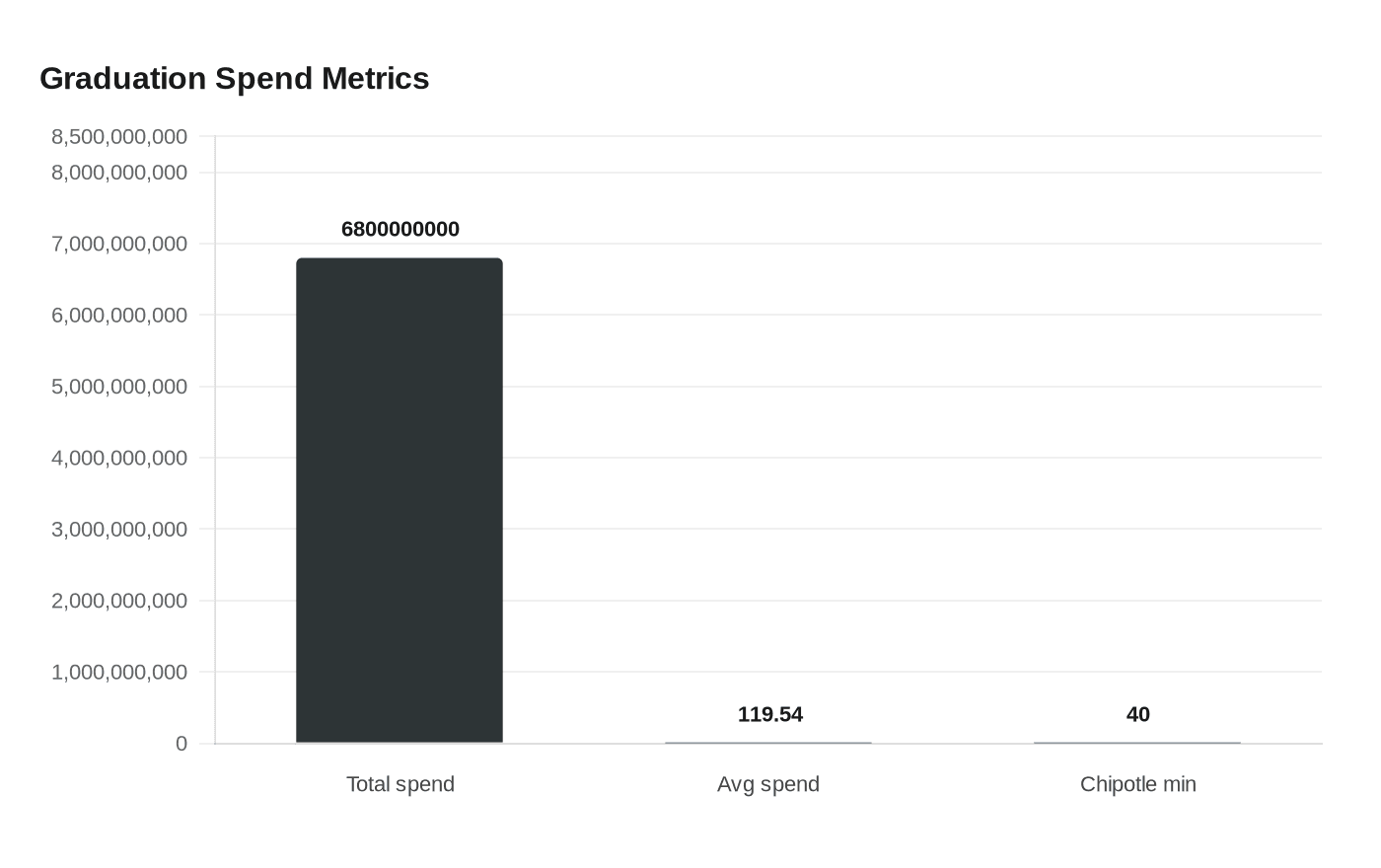
Graduation has crossed from sentiment into serious retail. The National Retail Federation says U.S. consumers spent $6.8 billion on graduation-related gifts and celebrations in 2025, with 36% planning to buy a gift and an average expected spend of $119.54. That is enough money to turn a milestone into a seasonal sales window, and brands are responding with the same playbook they use for holidays: make the gift easier to buy, easier to personalize, and easier to justify.
The campaigns landing this season all point to the same truth about how people actually shop for grads. Most buyers are not looking for a grand gesture. They are looking for something that feels thoughtful, lands on time, and does not require knowing the graduate’s shoe size, dorm setup, or post-ceremony calendar. That is why gift-card bonuses, class-branded collections, creator-led customization, and experience tie-ins are suddenly everywhere.
The fastest conversion tactic is still cash, but with a perk
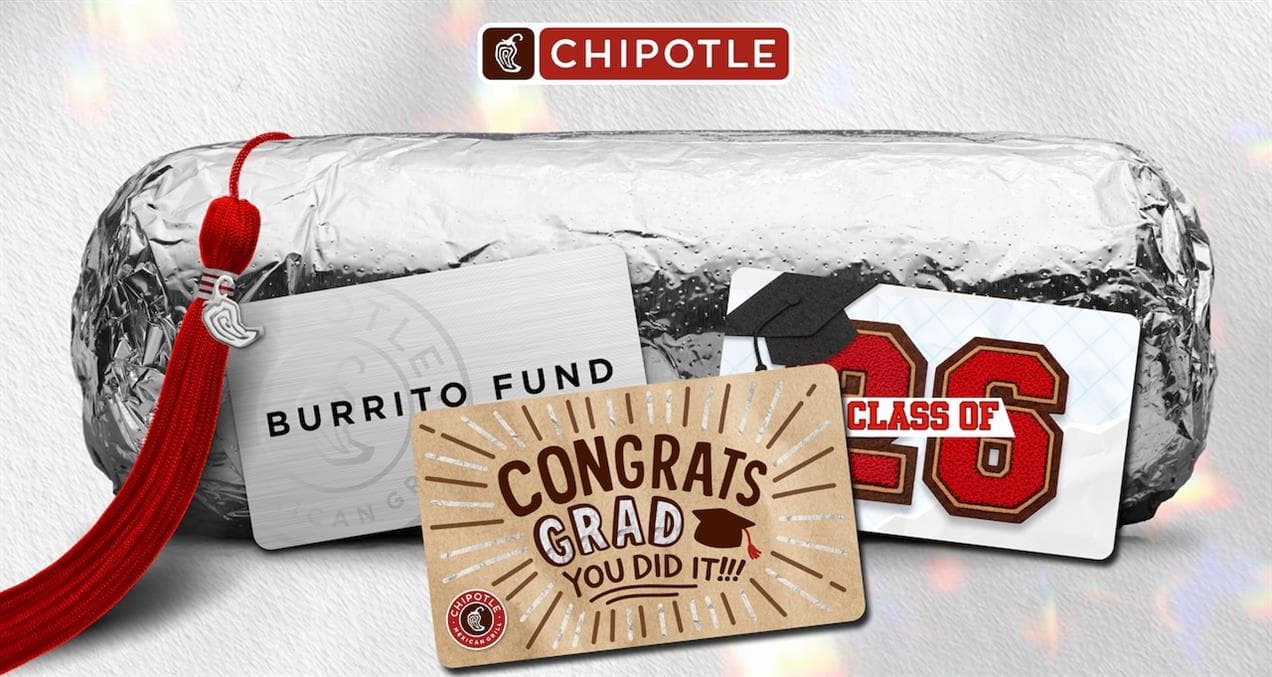
Chipotle Mexican Grill is leaning into the most practical graduation gift of all, the gift card, and adding just enough extra value to make it feel celebratory. From May 14 through May 18, 2026, the first 10,000 guests who spend $40 or more on graduation-themed digital gift cards in Chipotle’s online gift card store will receive one buy-one, get-one free entrée code. That structure is smart because it speaks directly to real behavior: people often choose gift cards when they want to be generous without guessing wrong.
The bonus code is doing the emotional work here. A plain $40 card says convenience; a BOGO code says the gift keeps going. Chipotle is also reinforcing the idea that graduation gifting can live inside an existing customer relationship, not just on the one day of the ceremony. Chipotle U Rewards, the brand’s student loyalty program, launched in August 2025, which gives the company another way to stay relevant once the diploma photo is over and students are still looking for places to eat cheaply and often.
This is the kind of tactic that is likely to influence real purchases, not just marketing buzz. Gift-card bonuses are easy to understand, easy to send, and easy to redeem. They work especially well for distant relatives, friends who want to contribute without overthinking, and anyone buying at the last minute.
When nostalgia becomes the product, the merch can travel farther
Hollister Co. is taking a different route: turning graduation into a cultural moment with a class-specific collection and a polished piece of storytelling. The brand launched its graduation campaign on March 26, 2026, with singer-songwriter Gigi Perez and a reimagined cover of Green Day’s “Good Riddance (Time of Your Life).” Directed by Hollister in collaboration with filmmaker Natalie Simmons, the full-length music video follows a group of high school seniors as they reflect on friendships, firsts, and the final days before graduation.
That emotional frame matters. Graduation apparel can easily slide into generic logo merch, but Hollister is trying to make it feel like a memory piece tied to a shared soundtrack. The move also includes in-store experiences, which is a telling addition. Brands are no longer treating the product as the whole story. They are building a small world around it, hoping the customer buys into the mood as much as the shirt or sweatshirt.
Still, the line between meaningful and merely marketable is clear. The music video is designed for attention, but the collection is what can actually sell. A campaign like this tends to work best when the product itself is wearable beyond the ceremony, not just a novelty for the class photo. For graduates who want something that signals the moment without feeling costume-like, class-themed merch can land. For everyone else, the video is likely to do more for awareness than for checkout.
Personalization is the clearest path from sentiment to sale
Minted’s graduation push may be the most aligned with how people shop when the gift needs to feel intimate. The company is using creator partnerships, including one with Anne Adoga and a University of San Francisco graduate, to show the graduation announcement design process in real time. The focus is on color, font, and photo choices, including Polaroid-inspired images, which makes the product feel less like stationery and more like a keepsake built around the graduate’s identity.
That is a strong fit for the occasion. Graduation announcements are one of the few gifts in this category that are already supposed to be personal, and Minted is leaning into that expectation rather than fighting it. The brand says its 2026 announcements are designed by independent artists and can be customized in multiple sizes and formats, which gives the product a premium feel without relying on luxury pricing.
The creator side also adds a measurable incentive. Shoppers referred by creator partnerships can receive up to 15% off stationery and gifts, and 10% off art using creator codes. That discount structure matters because it turns aspiration into action. A personalized announcement or framed print can feel special on its own, but a clear savings cue helps move someone from browsing to buying.
Among the graduation tactics on display this year, personalization is the one most likely to shape actual purchase decisions. It fits the emotional tone of the moment, it helps the buyer feel like they chose something specific, and it produces an object the graduate is more likely to keep.
What brands are really telling shoppers
The clearest lesson from this season is that graduation gifts work best when they solve a problem. If you do not know the graduate well, a digital gift card with a bonus offer is the easiest answer. If you want to mark the moment with something visible and wearable, class-themed merch can work, especially when it carries a familiar emotional soundtrack. If you want the gift to feel deeply personal, customization is still the strongest premium signal, even when the price is modest.
The campaigns from Chipotle, Hollister, and Minted all use different language, but they are aiming at the same shopper behavior: the need to give something that feels intentional without becoming complicated. That is why graduation remains such a durable marketing moment. It is one of the rare occasions where sentiment, utility, and a clear spending benchmark line up, and brands that understand that balance are most likely to turn attention into actual purchases.
This article was produced by Prism’s automated news system from verified source data, official records, and press releases, then run through automated quality and moderation checks before publishing. The system is built and supervised by the people who set the standards it runs under. Read our full AI policy.
Did this article answer your question?