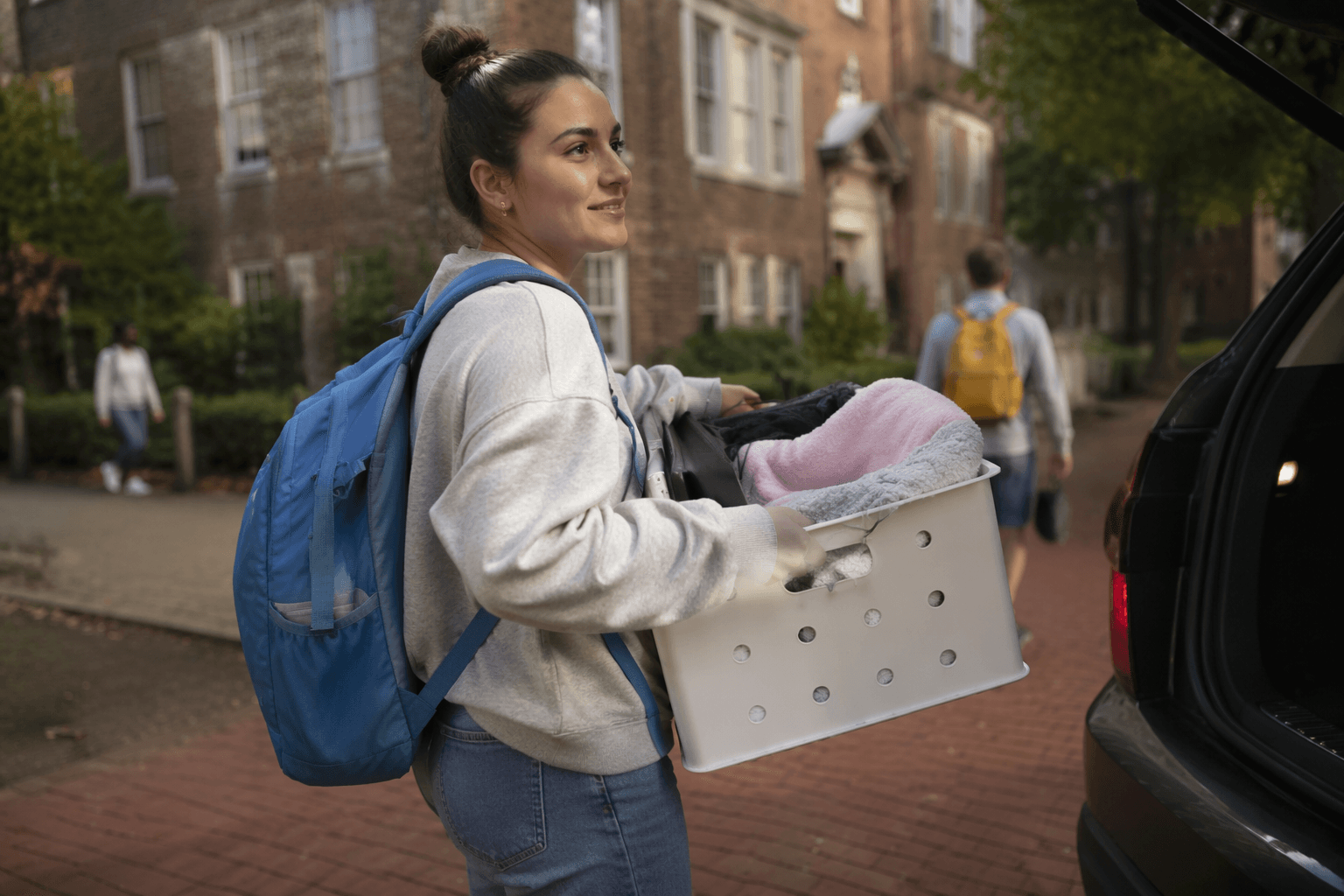
Graduation gift trends meet safety push
Safety-forward gifts are reshaping the Class of 2026 graduation haul, as a 20-year program with zero student fatalities proves prevention works and parents rethink what "meaningful" really means.
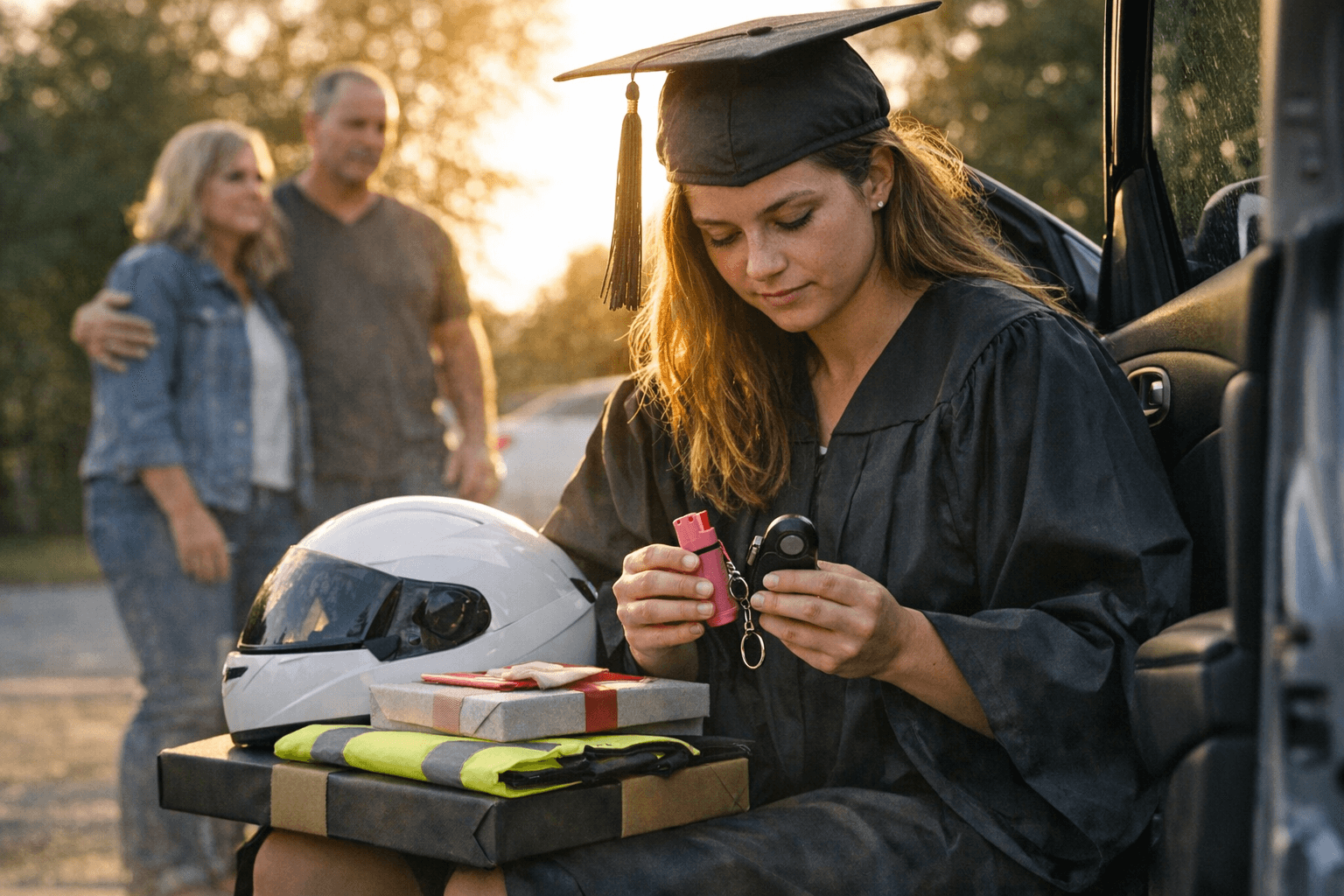
You know the grad, you know your budget, and you've probably already landed on something sentimental. But this graduation season, a quieter category is earning serious real estate in gift bags alongside the engraved jewelry and Amazon wish-list pulls: practical safety gifts that grads will actually use the night of the party, the morning of the move-in, and every late commute after that. Call them safety-forward gifts, and they are having a moment.
The program that reframes the whole season
The context for this shift isn't abstract. In Kanawha County, West Virginia, 2026 marks the 20th year for Operation Graduation Prom Alive (GPA), a collaborative initiative between law enforcement, the Kanawha County Emergency Ambulance Authority, Metro 911, Kanawha County Schools, and the Kanawha County Commission to curb impaired, dangerous, and distracted driving around big events for high schoolers. The program's record is striking: officials said since the program began there have been no deadly crashes connected to prom or graduation events in the county, with schools given funding dedicated to raising awareness about safe driving products.
Kanawha County Commissioner Lance Wheeler put it plainly at the program's launch: "We've been very successful with this. Graduation Prom Alive has ensured that we have not lost a single student to a tragic event in 20 years, and we're going to work today to ensure that that's going to be the case for 21 years next year." His other framing is the one that resonates most with anyone buying a gift right now: "What we want to ensure is that every child has the best memories that they'll remember for the rest of their life and arrive home safely so that no parent has to receive that unfortunate, tragic call that they've lost a child."
Programs like Operation GPA represent exactly what is driving the safety-gift trend nationally: coordinated, community-level recognition that graduation season concentrates risk. When officials are gathering in school gyms to fund awareness campaigns and increase law enforcement presence at prom nights, parents buying gifts are operating in the same emotional register.
Three gift lanes worth considering
The Class of 2026 is navigating something specific: increased independence, new driving situations, and a calendar packed with late-night celebrations. That context shapes three practical gift lanes that are landing well right now.
Lane one: The ride home
Rideshare gift cards are the lowest-friction safety gift you can give, and they come without any of the awkward subtext. An Uber or Lyft gift card in a $50 or $100 denomination carries a clear, empowering message: you don't have to figure out logistics or worry about cost. Just get home. What makes this work as a gift rather than a lecture is the framing: it's the same energy as handing someone cash for a taxi in a different era, except smarter and trackable. Stack a $25 card in with a graduation card for a classmate or go up to $100 for a grad you're close to. It's genuinely useful, it spends across months of late nights, and it fits any budget.
Lane two: Smart trackers and personal alarms
College-bound grads moving to a new city, or high school seniors driving independently for the first time, are the exact audience for both of these categories. An Apple AirTag (around $29 for a single, $99 for a four-pack) dropped into a backpack, a car bag, or luggage is less about surveillance and more about the peace of mind that comes from being findable. Tile Mate runs about $25 and works across Android ecosystems. Both are small enough to slot into any gift alongside something more celebratory.
Personal alarms occupy their own lane. Products like the SABRE personal alarm (roughly $12 to $15) or the She's Birdie alarm (around $30) are designed to be loud, simple, and carried consistently. The key distinction: these are tools of confidence for a grad walking a new campus at night or commuting home alone, not admissions of danger. Students who receive them tend to carry them because they are small, clip-on, and genuinely unobtrusive on a keychain. The price point means you can easily bundle one with a gift card or a keepsake without the combo feeling heavy-handed.
Lane three: Car emergency kits
For any grad who is driving, whether heading to college across a state line or just navigating a new city commute, a roadside emergency kit is one of those gifts that no one thinks to buy for themselves. A solid kit, available from $30 to $50 at most retailers, covers jumper cables, a reflective triangle, a basic first-aid kit, and an emergency flashlight. AAA membership (roughly $60 to $80 annually) is a slightly bigger investment that provides towing, battery service, and roadside assistance nationally, which matters enormously for anyone doing a long solo drive to a new city for the first time.
The pitch here is practical empowerment: a grad who has jumper cables and knows their AAA number is a grad who handles a dead battery at midnight without a panic call home. That is the gift.
The keepsake side: what's trending for the Class of 2026
Safety gifts don't replace the sentimental ones; they sit alongside them. On the keepsake side, 2026 gift trends are running toward personalized items and regalia-as-keepsake, specifically custom graduation tassels and stoles that preserve the ceremony in tangible form. These are gifts with real staying power: a personalized tassel framed or boxed becomes a permanent fixture in a dorm room or first apartment in a way a generic gift card never will.
Subscription gifts have also emerged as a strong option for the post-graduation transition. The logic is that a grad starting college or a first job is building a new daily life, and a subscription, whether for a streaming service, a meal-kit delivery, a language-learning app, or a fitness platform, meets them in that new context monthly. These are low-maintenance to give and genuinely useful during a period of rapid change.
For college-bound grads specifically, dorm essentials remain a reliable lane: a high-quality power strip, a quality noise-canceling earbud set, or a compact first-aid kit all serve the practical post-graduation transition without over-thinking the gesture.
Giving safety without the lecture
The instinct to pair a personal alarm with a cautionary speech defeats the purpose. Safety gifts land best when they're framed around competence, not vulnerability: "You're going to be navigating a new place" rather than "I'm worried about you." The most effective version of this kind of gift is one that's wrapped, bowed, and presented with the same confidence as everything else in the bag. A $30 alarm beside a custom tassel and a rideshare card reads as a thoughtful, assembled gift, not a warning.
What Kanawha County's two-decade track record confirms is that safety infrastructure around graduation season works when it's built with students rather than imposed on them. The same principle applies to the gift bag: practical tools, freely given, trusted to a grad who is more than ready to use them.
This article was produced by Prism’s automated news system from verified source data, official records, and press releases, then run through automated quality and moderation checks before publishing. The system is built and supervised by the people who set the standards it runs under. Read our full AI policy.
Did this article answer your question?