How Much to Give Graduates, Plus the Best Gifts to Pair With Cash
Cash is the grad gift everyone actually wants — here's exactly how much to give by relationship, what to pair it with, and the words that make it land.

You know the grad, you know your budget, and you want a gift that lands without the awkward "is this too little?" spiral. Here's the framework that makes the decision easy every time, whether you're a parent writing a check for $300 or a coworker chipping in on a group gift.
The Number That Surprises Most Givers
Americans spent more than $6.8 billion on graduation gifts in a single recent season, averaging roughly $120 per gift. That average, though, is pulled upward by parents and grandparents giving large sums to immediate family. For most occasions, the right number is lower than you think and higher than a gift card to nowhere. The real question isn't how much to spend. It's how much is appropriate for your specific relationship, and what small pairing turns that envelope into something the grad actually remembers.
The Default Amounts Table
Use this as your starting rubric. The one surprising rule to keep in mind: rounding up to the nearest $25 or $50 increment makes cash feel intentional rather than calculated.
| Relationship | Suggested Cash Range | Best Pairing |
|---|---|---|
| Parent (college or major grad) | $200 – $500 | Heirloom keepsake |
| Grandparent | $50 – $200 | Commemorative token |
| Close friend | $25 – $75 | Experiential gift |
| Extended family or coworker | $20 – $50 | Handwritten card with a specific note |
The surprising rule: close relatives often give between $50 and $200, while friends or distant relatives typically give $15 to $50. If you're a close friend pushing toward $75, you're already at the top of that band, and the pairing matters more than adding another $25.
The Two-Path Decision Rule
Before you pick a number, answer one question: is this grad heading to a college dorm or straight into the workforce? Those two paths call for completely different gift strategies.

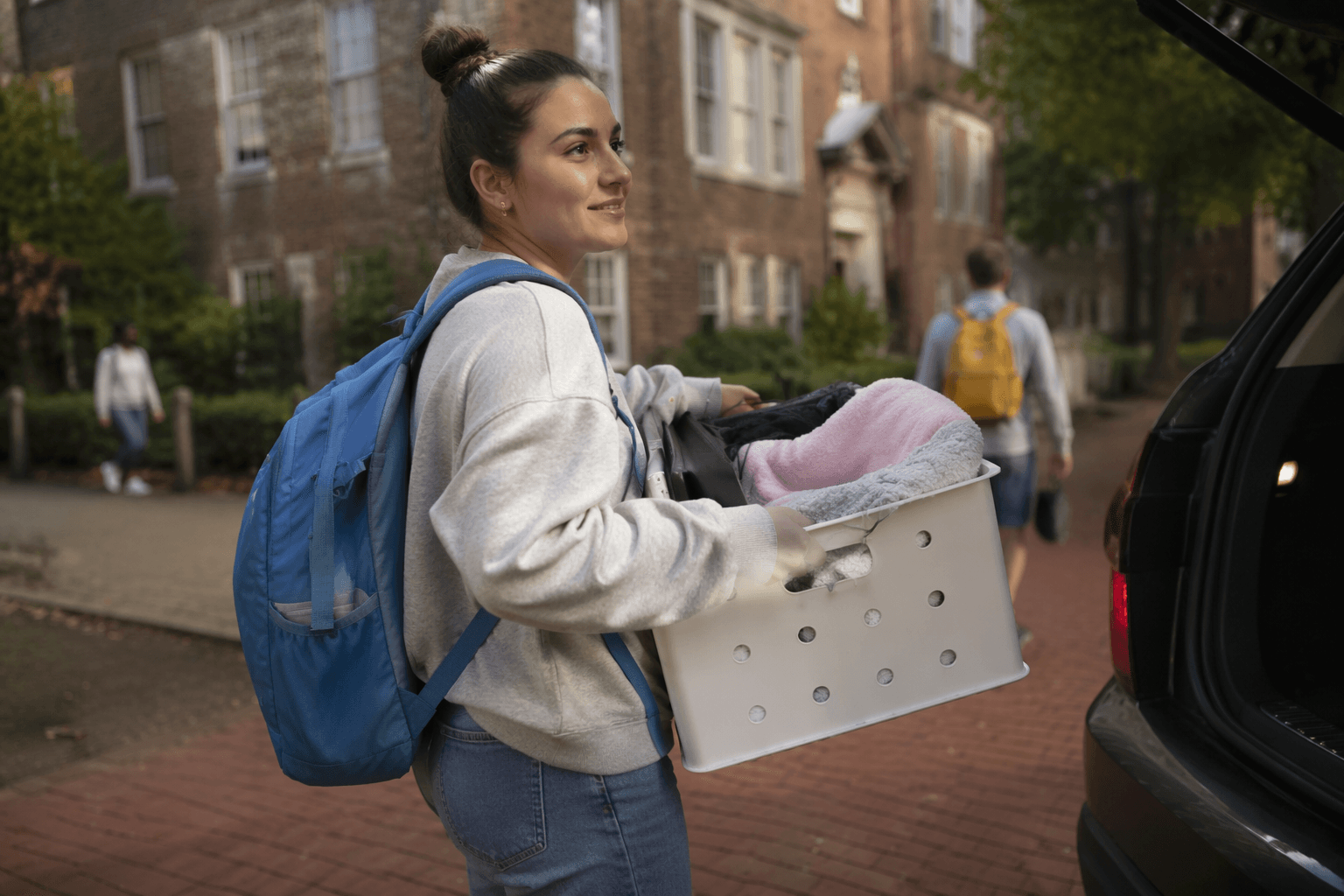
*If they're going to college:* Favor practical, dorm-ready items alongside a small keepsake. Think a quality twin XL bedding set, noise-canceling headphones, or a portable charger, paired with something that marks the milestone, like an engraved keychain or a custom photo book of their high school years. The cash covers textbooks, food, and the hundred small expenses of move-in week that no one plans for. Dorm room essentials like bedding, towels, or kitchen supplies are perfect for graduates moving into a dorm or their first apartment.
*If they're entering the workforce:* Shift toward professional gear and the beginning of long-term financial habits. A leather card case, a well-fitted blazer, or a quality watch are things most new professionals haven't bought for themselves yet. A quality leather wallet or card case is something most grads haven't bought for themselves yet, and a business casual wardrobe piece like a well-fitted blazer, a classic watch, or a pair of quality shoes they'll wear for years rounds out the professional category. Pair professional gear with a contribution toward a Roth IRA or an investment starter account. A Roth IRA contribution is limited to the grad's total earned income or the annual maximum ($7,000 in 2025 for individuals younger than 50), whichever is less. Even seeding it with $100 or $200 teaches a habit that compounds over decades.
What to Pair With Cash, by Relationship
The envelope alone is forgettable. The pairing is what makes the gift feel considered.
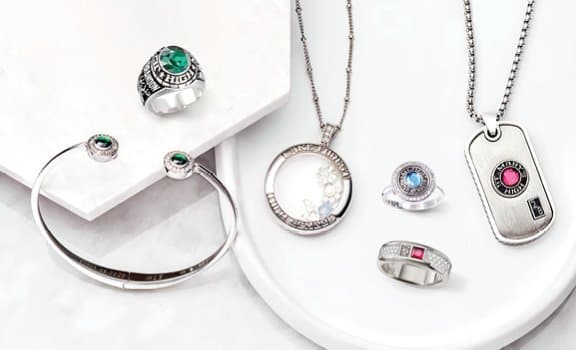
*Parent to child (major graduation):* The cash range of $200 to $500 covers real expenses. The heirloom keepsake, whether that's a piece of jewelry passed down, a watch, or a custom piece commissioned for the occasion, is what the grad keeps in a drawer for the next 40 years. The combination communicates both practical support and emotional weight in a way that neither element achieves alone.
*Grandparent:* A commemorative token, a framed photo from the ceremony, a custom star map of graduation night, or a monogrammed leather notebook, gives the cash envelope a physical anchor. It also gives the grandparent something to present at the party that doesn't require wrapping a check. Aim for a token in the $20 to $40 range so it doesn't cannibalize your cash budget.
*Friend:* The experiential pairing is the move here. Concert tickets, a dinner out together, a cooking class, or a weekend trip deposit alongside $50 in cash shifts the gift from "here's some money" to "let's actually celebrate." Experience gifts, including tickets, gift cards, or planned activities, create new memories rather than physical items. That distinction matters when you're 22 and your apartment is already full.
Group Gifting: The Equitable Rubric
If you're organizing a group gift, the challenge isn't logistics. It's making sure no one feels pressured to give more than they're comfortable with while the collective amount actually means something to the grad. A clean approach: set a target total (say $200 for a college-bound grad from a group of eight friends), divide evenly, and let anyone who wants to contribute more do so quietly. The organizer consolidates, adds the pairing item, and presents the full gift with a card signed by everyone. This keeps the process equitable, on-budget, and far less awkward than an open-ended Venmo request with no stated goal.
How to Present It: Scripts That Actually Work
How you hand over cash changes how it lands. Here are three proven approaches:
- *The purposeful framing:* Write in the card what the money is specifically for. "This is for your first month of groceries so you can say yes to things without checking your account." Specificity transforms a check into an act of care.
- *The investment nudge:* "I opened a Roth IRA contribution in your name. The account details are inside. The $150 is yours to grow." This works especially well for workforce-bound grads who haven't thought about retirement accounts yet. It also opens a conversation worth having.
- *The experience invitation:* "The $60 is for us to do something together before you leave for school. Pick the thing." This turns the gift into a plan, which is often worth more than the dollar amount.
The One Rule That Ties It Together
The most useful thing to remember when the graduation season crunch hits: the relationship determines the amount, and the milestone determines the pairing. A grandparent giving $75 to a college-bound grad should spend differently than a grandparent giving $75 to a new nurse. One needs a dorm kit and a commemorative photo; the other needs a leather portfolio and the seed of a retirement account. Getting that right, without overthinking the number, is the actual gift.
This article was produced by Prism’s automated news system from verified source data, official records, and press releases, then run through automated quality and moderation checks before publishing. The system is built and supervised by the people who set the standards it runs under. Read our full AI policy.
Did this article answer your question?