Tested, Practical Graduation Gifts for Every Budget and Graduate
Graduation gift spending hits a record $6.8 billion in 2025, but the gifts that actually get used aren't always the ones you'd expect.
You know the graduate, you know your budget, and you're staring at the same problem everyone faces: what do you actually give? Not the card stuffed with cash that disappears on coffee by Tuesday. Not the Amazon order that arrives in recycled packaging and lives in a closet. Something the grad will genuinely use.
Here's the context that should shape your thinking. U.S. graduation gift spending is projected to reach a record $6.8 billion in 2025, according to the National Retail Federation's annual survey conducted with Prosper Insights & Analytics. That's up from $6.4 billion in 2023, and it reflects nearly two decades of tracked gifting behavior since NRF began its annual graduation survey in 2007. Thirty-six percent of American adults planned to buy a gift for a high school or college graduate in 2025. The average spend is around $117 per person, up slightly from $115 in 2022. A lot of money is going out the door, and a lot of it could be spent smarter.
The Case for Cash and Gift Cards
Before diving into products, let's acknowledge what nearly 20 years of data has consistently shown: cash is the graduation gift. In NRF's inaugural graduation survey conducted with BIGresearch, 58.8% of givers chose cash, and it has held the top spot straight through 2025. Gift cards ranked second at 31.3% in that same survey, and 33% of givers planned to give gift cards as recently as 2023.
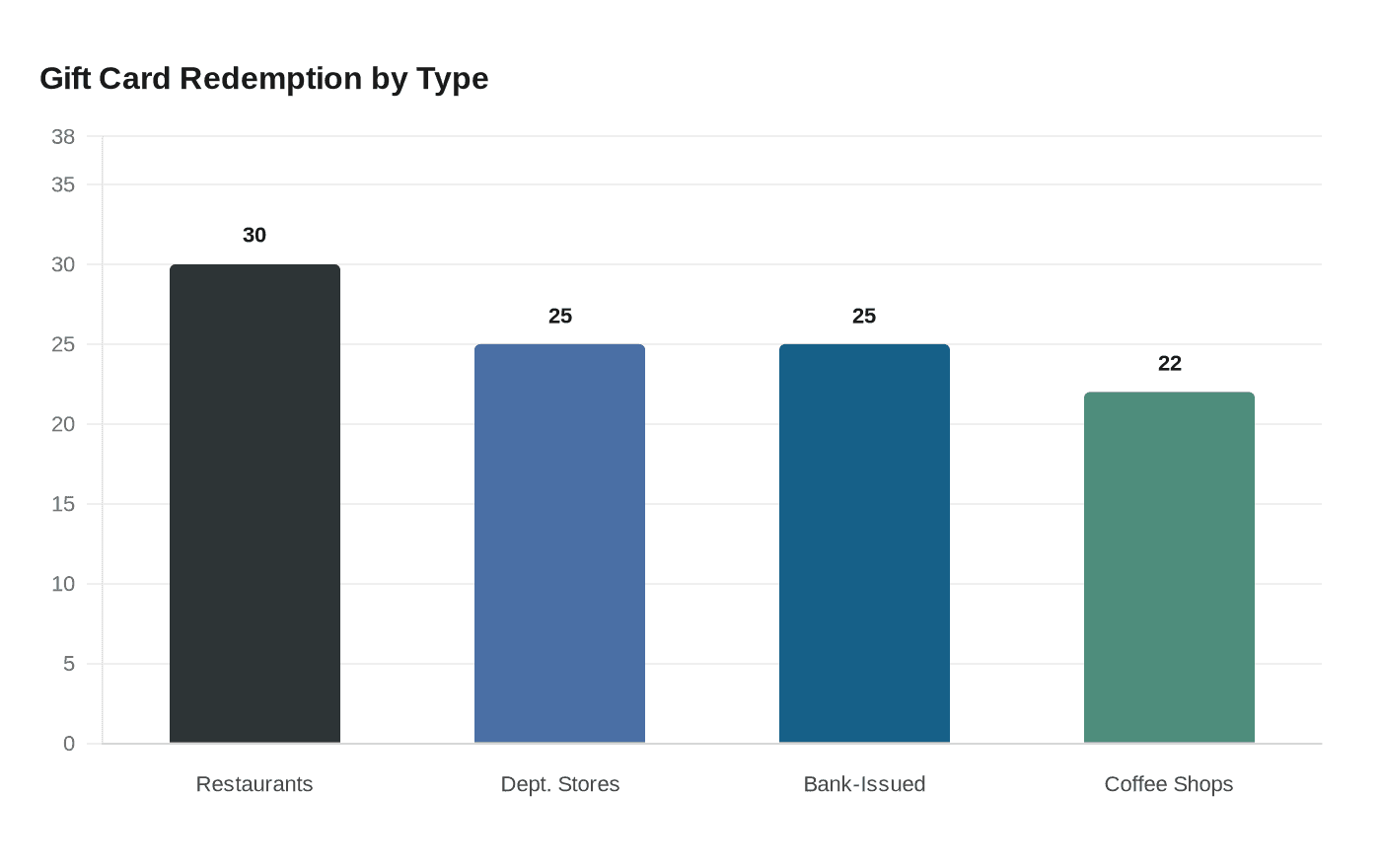
This isn't a cop-out. For a grad moving into their first apartment or starting a new job, cash and gift cards represent maximum utility. Consumer Reports has long made this case, and the spending patterns back it up completely. If you go the gift card route, the most-redeemed categories are restaurants (30%), department stores (25%), bank-issued cards (25%), and coffee shops (22%). A bank-issued Visa gift card is effectively cash with a card format, which makes it the most practical option when you don't know the grad well enough to shop for them specifically.
Know Your Budget Before You Shop
The relationship determines the range. Friends and siblings typically land in the $30 to $75 window; high school graduation gifts broadly run $30 to $200. Parents consistently spend the most of any gift-giver category, which makes sense: this is often the most significant milestone they've shared with the graduate.
The $75 to $150 sweet spot is where most buyers actually land, and that budget opens up some genuinely useful product options. The key is buying something tested and durable rather than trend-driven. A grad doesn't need another item that breaks or becomes irrelevant in six months.

Luggage Worth Giving
For grads heading to college, relocating for a new job, or finally taking that trip they've deferred, a quality carry-on is one of the most universally useful gifts available. Away has earned top marks in Consumer Reports testing for impact resistance, construction quality, and warranty coverage, making it a reliable choice at the premium tier. A hard-shell carry-on from a well-tested brand isn't cheap, but it's the kind of thing a 22-year-old will use for a decade if they didn't buy it for themselves. If luggage is beyond your budget, a quality packing cube set or a durable duffel keeps the travel theme accessible for less.
Headphones: Practical and Enjoyable
Electronics are consistently one of the top five graduation gift categories per NRF data, and noise-canceling headphones sit at the intersection of practical and enjoyable. They're useful for studying, commuting, working from home, and long flights. Consumer Reports' testing framework specifically covers noise-canceling headphones as a core graduation gift category because this is a purchase most grads will delay making for themselves but use every single day once they have it.
Budget-conscious buyers can find solid over-ear options in the $75 to $150 range. Premium picks from established brands run $250 to $400 and offer meaningfully better noise cancellation and battery life, which matters most during a four-hour flight or a noisy open-plan office shift.
Small Kitchen Appliances: Unglamorous but They Win
Clothing and apparel account for 18% of graduation gifts per NRF data, but for a grad setting up their first kitchen, a small appliance they'll actually use is the smarter play. Consumer Reports' testing covers durable kitchen items specifically because they represent one of the highest-utility gift categories for graduates transitioning into independent living.
Think about what they're missing: a quality chef's knife, a reliable coffee maker, a compact air fryer, or a solid set of cookware. These aren't exciting in the way headphones are, but they're the gifts people reference years later. A $50 French press from a trusted brand outperforms a $15 dorm-room version by a margin that's immediately obvious every morning.
A Practical Budget Breakdown
Here's where to focus your spending based on your relationship to the grad:
- Under $50: Restaurant or coffee shop gift cards, a bank-issued gift card, a quality kitchen tool, or a portable power bank
- $50–$100: Noise-canceling earbuds, a pour-over or French press coffee setup, a quality weekender bag
- $100–$150: Over-ear noise-canceling headphones (mid-tier), a compact kitchen appliance, a carry-on accessory kit
- $150–$200 and up: A tested carry-on suitcase (Away and comparable brands), premium over-ear headphones, a complete knife set or cookware starter kit
What Separates the Gifts That Land
The $6.8 billion graduation gift market in 2025 will produce a staggering number of forgettable presents. The ones that aren't forgettable share a common trait: they're bought with the specific graduate in mind, at a price the giver can sustain without resentment. A $117 average spend sounds manageable until you have three graduations in the same month.
Consumer Reports' framework for evaluating graduation gifts is essentially a durability filter: not what's trending, but what holds up and gets used across years. That's the right lens to apply regardless of your budget. Buy tested, buy practical, and if you genuinely don't know what the grad needs, a bank-issued gift card at whatever amount you can comfortably give will be remembered longer than a well-intentioned item that ends up in a donation box before summer ends.
Know something we missed? Have a correction or additional information?
Submit a Tip