Visa and Mastercard gift cards top graduation gifting guide
The smartest grad gift this summer is money with options. Visa and Mastercard cards beat guesswork for moves, travel, and first apartments, while retailer cards work only when you know the stop.

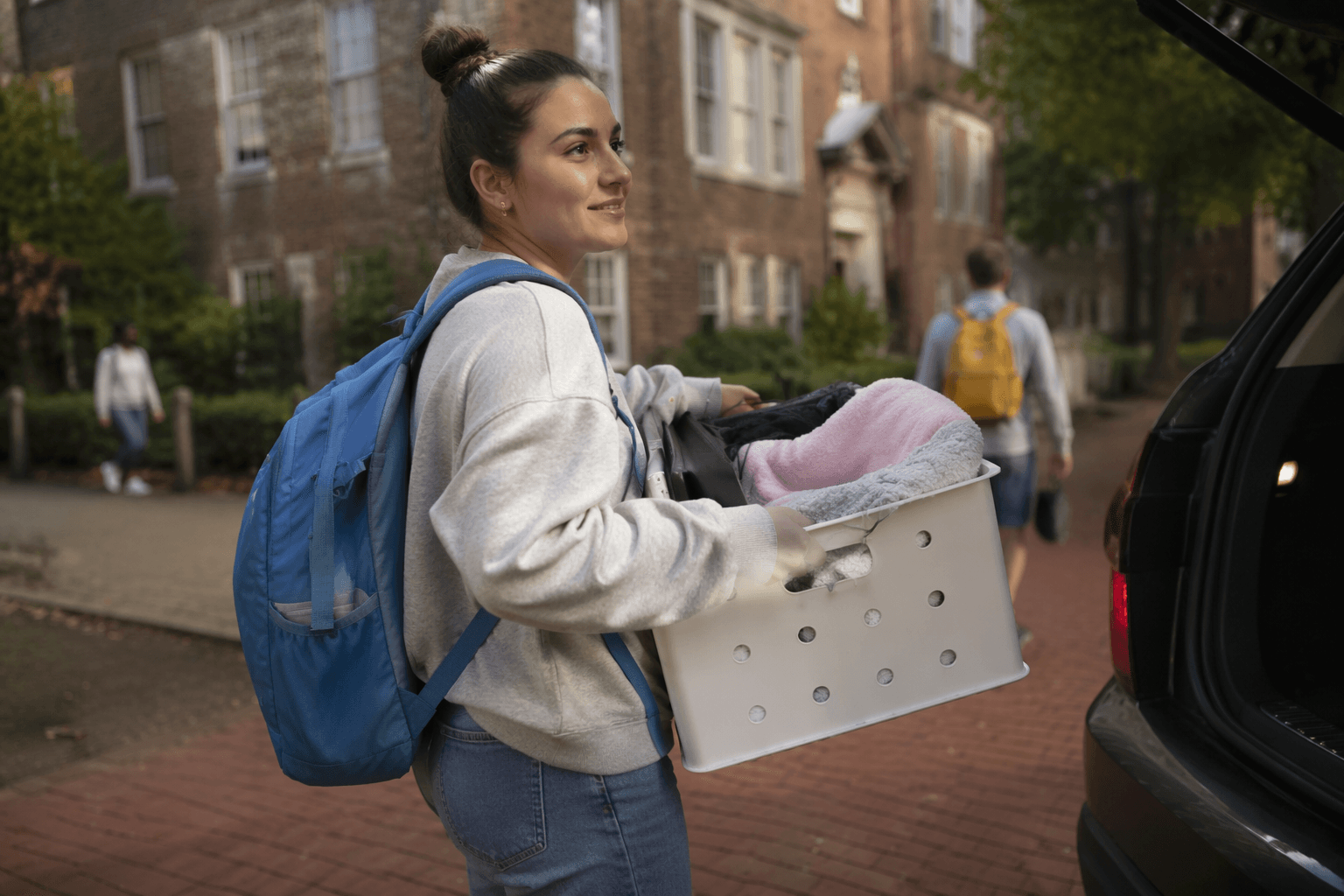
Graduations are turning into a flexibility test. When a grad is packing for a dorm, hunting for an internship wardrobe, booking a trip, or furnishing a first apartment, the most useful gift is often the one that lets them decide what comes next.
That is why Visa and Mastercard gift cards are rising to the top of the graduation pile. The National Retail Federation has tracked graduation spending since 2003 with Prosper Insights & Analytics, and its 2026 survey of 7,914 consumers ages 18 and older, fielded from April 30 through May 6, shows graduation remains a major seasonal spending moment. In the most recent survey cited by U.S. News, 36% of respondents said they would buy a gift for a high school or college graduate, average spend was $119.54, and 51% planned to give cash gifts.
Why flexible money keeps beating a fixed gift
Cash still wins on pure utility, but gift cards are the more polished middle ground. WTOP reported that the most popular graduation gift was cash, followed by cards, gift cards, apparel and electronics, which tells you exactly where shoppers are landing when they do not want to guess. The same reporting noted that more than $6 billion was spent on graduations in the U.S. in the prior year referenced in the story, a reminder that this is not a niche gesture, it is a real seasonal category.
That is also why the smartest graduation gift is increasingly the one that preserves choice without feeling impersonal. A recent American University graduate told WTOP he received a $25 Wawa gift card and was happy to get anything at all, which is the quiet truth behind good grad gifting: the right amount matters, but so does usefulness. In a year when consumers are economizing and budgets are tighter, a card that can cover groceries, travel, gas, school supplies, or apartment basics often lands better than a decorative keepsake.
When Visa or Mastercard makes the most sense
Open-loop cards are the default move when you want your gift to work almost everywhere. Visa says its gift cards work anywhere Visa Debit is accepted, both in-store and online, and Visa sells gift cards online, which makes them easy to order when graduation parties stack up faster than your calendar can handle. Mastercard says its gift cards can be used anywhere in the United States where Mastercard debit cards are accepted, and it also offers plastic cards by mail or eGift cards by email.
For broad use, that matters more than almost any other feature. If the graduate is moving, traveling, or splitting time between cities, a gift card that is not locked to one merchant gives them room to adapt. Mastercard also says some of its products have no fees after purchase, and on some designs the denomination range runs from $10 to $500, which makes it easy to give a small celebratory amount or a more serious sendoff depending on your budget.
The presentation side matters too. Mastercard markets graduation-specific designs, including Congrats Grad, and says its cards can be spent exactly as the recipient wants. That is the sweet spot for a summer graduation gift: practical enough to be useful, but still clearly marked as a celebration.

When a retailer card is the better call
A retailer card is smarter when you know the graduate has one obvious place they will use it. Forbes’ 2025 graduation gift coverage made the same point in a different way, saying the best gifts should be tailored to where the graduate is headed, whether that means college, travel, or a first apartment. If you know the grad is obsessed with one store, one coffee chain, one airline, or one campus bookstore, a retailer card can feel more personal than a broad card because it maps directly onto a real habit.
That is the key decision lens: open-loop cards buy freedom, while retailer cards buy relevance. If the graduate is moving into a first apartment and you know the exact home store they use, a retailer card can help with towels, kitchen basics, or storage. If they are heading to college and always shop one place for books or dorm needs, a store card can be more targeted than cash. But if you are not sure where they will land, do not overthink it. Visa or Mastercard is the safer choice because it leaves the decision in the grad’s hands.
The practical details worth checking before you buy
The difference between a good gift and a slightly annoying one usually comes down to logistics. If you need something fast, an eGift card by email is the quickest route, while a plastic card by mail makes more sense if you want the present to be wrapped and handed over at a party. Mastercard’s dual delivery options, plus Visa’s online availability, make both brands useful when graduation sneaks up on you.
- Check fees, especially if you are comparing products. Mastercard says some of its cards have no fees after purchase, but that does not mean every card is identical.
- Match the acceptance area to the grad’s plans. Visa says its cards work anywhere Visa Debit is accepted, in-store and online, while Mastercard says its cards work anywhere in the United States where Mastercard debit cards are accepted.
- Think about where the recipient is headed. College, a year of travel, a first apartment, and a first job all point toward different spending needs.
- Choose the amount with the use case in mind. Mastercard’s $10 to $500 range on some designs shows how graduation gifts can be scaled up or down without changing the category.
A few details are worth flagging before you choose:
U.S. News has called graduation gifting a long-standing American tradition, and that is exactly why the category keeps evolving without losing its etiquette rules. The best gift is no longer the most sentimental object in the room, it is the one that makes the graduate’s next move easier. This summer, Visa and Mastercard gift cards are winning because they do the rare thing every good graduation present should do: they feel thoughtful on the way in and useful on the way out.
This article was produced by Prism’s automated news system from verified source data, official records, and press releases, then run through automated quality and moderation checks before publishing. The system is built and supervised by the people who set the standards it runs under. Read our full AI policy.
Did this article answer your question?