AI shopping reshapes holiday gift discovery for 2026
AI is turning holiday shopping into a faster, more deliberate hunt, where discovery and comparison get outsourced and taste becomes the final filter.
The new shopping habit
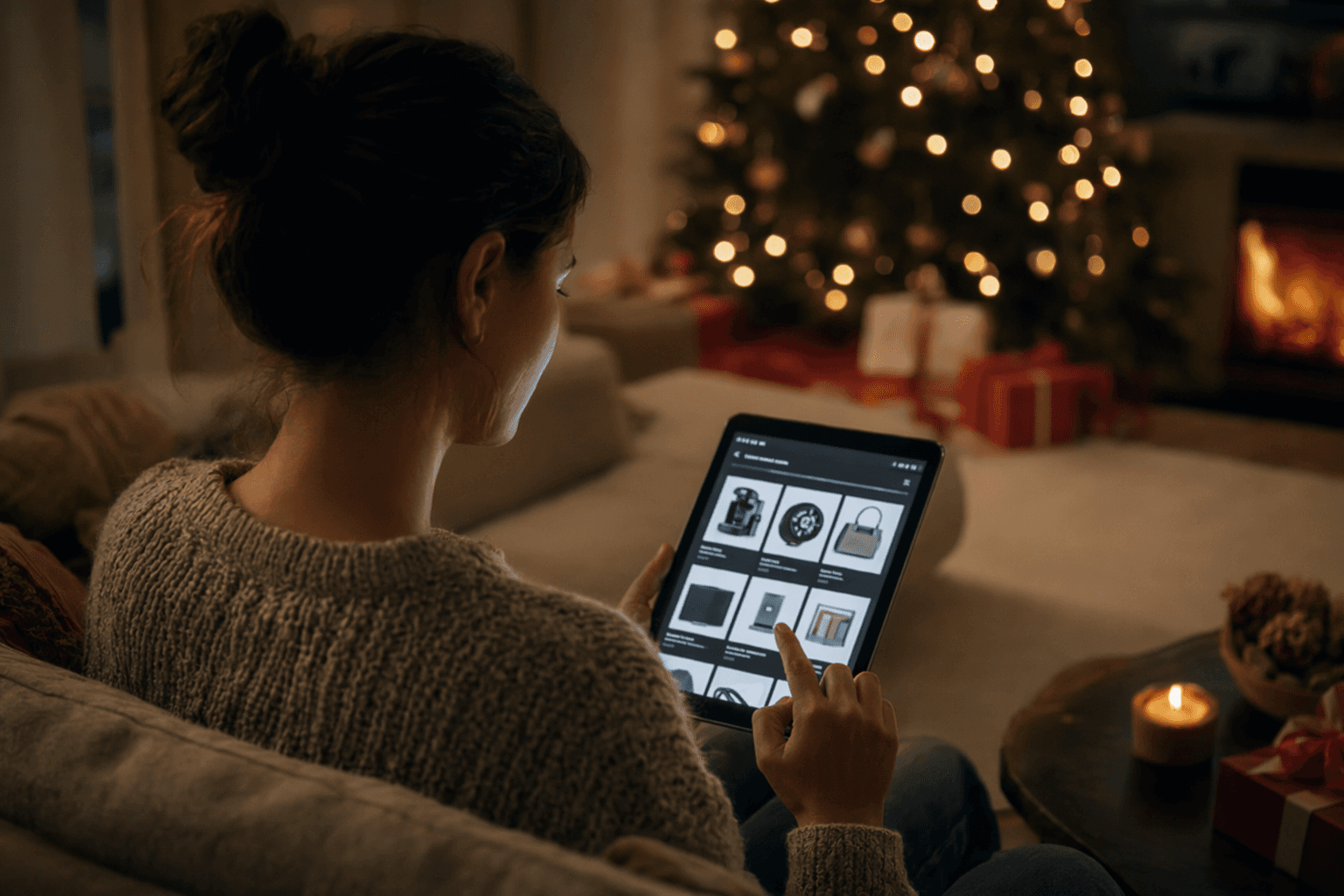
The holiday shopping sprint is changing shape. What used to be a blur of tabs, saved carts, and last-minute guesswork is starting to look more like a shortlist built by AI, then judged by a human with strong opinions and a budget.
That matters because the stakes are high. The National Retail Federation said U.S. holiday sales were expected to top $1 trillion for the first time in 2025, and shoppers planned to spend an average of $890.49 per person on gifts, food, decorations, and other seasonal items. With spending that big, decision fatigue is no longer a nuisance, it is part of the consumer experience.
McKinsey’s March 2, 2026 ConsumerWise update makes the mood shift clear: AI is moving from early-adopter territory into the mainstream, even as U.S. consumer economic confidence stayed relatively flat in early 2026. That combination is exactly why AI shopping is becoming useful. When people feel cautious, they do not necessarily want more options. They want better ones, faster.
What people are handing over to AI
The first task shoppers are offloading is discovery. PayPal said 40% of consumers had already used AI for shopping, and a majority planned to use it during the holiday season to uncover deals. That is the real behavioral shift: AI is becoming the tool people reach for when they do not yet know what to buy, or when they know the kind of gift they want but not the exact one.
The second task is comparison. Google’s shopping experience in AI Mode now brings together rich visuals, product details, price, inventory information, a virtual try-on tool that uses shoppers’ own photos, and an agentic checkout experience. In plain English, that means AI can help narrow a gift down from a vague idea to a specific item without forcing you to bounce between five different sites to check whether it is in stock, in the right color, or actually worth the price.
The third task is timing. Adobe said generative AI tools drove a 693.4% increase in traffic to retail sites during the 2025 holiday season, and U.S. holiday online sales reached a record $257.8 billion. Add that to the NRF’s finding that 55% of shoppers planned to make holiday purchases online, and it is obvious where the friction lives now: not just in finding gifts, but in deciding when to buy them.
The kinds of gifts AI makes easier to find
AI-assisted shopping is especially useful for gifts with a lot of variables. If the item has multiple colors, sizes, tech specs, price points, or compatibility concerns, AI can compress the research in a way a traditional guide never could. That makes it ideal for gifts like headphones, small appliances, beauty tools, smart home gear, luggage, sneakers, and jewelry with a lot of style variations.
It also helps when the recipient is easy to define but hard to shop for. Think: the friend who wants something practical but nice, the sibling who always compares three models before buying, the parent who appreciates utility, or the coworker gift that needs to hit a real budget ceiling. AI is good at sorting by price, reviews, and inventory, which means it can quickly surface the present that feels thoughtful without becoming a research project.
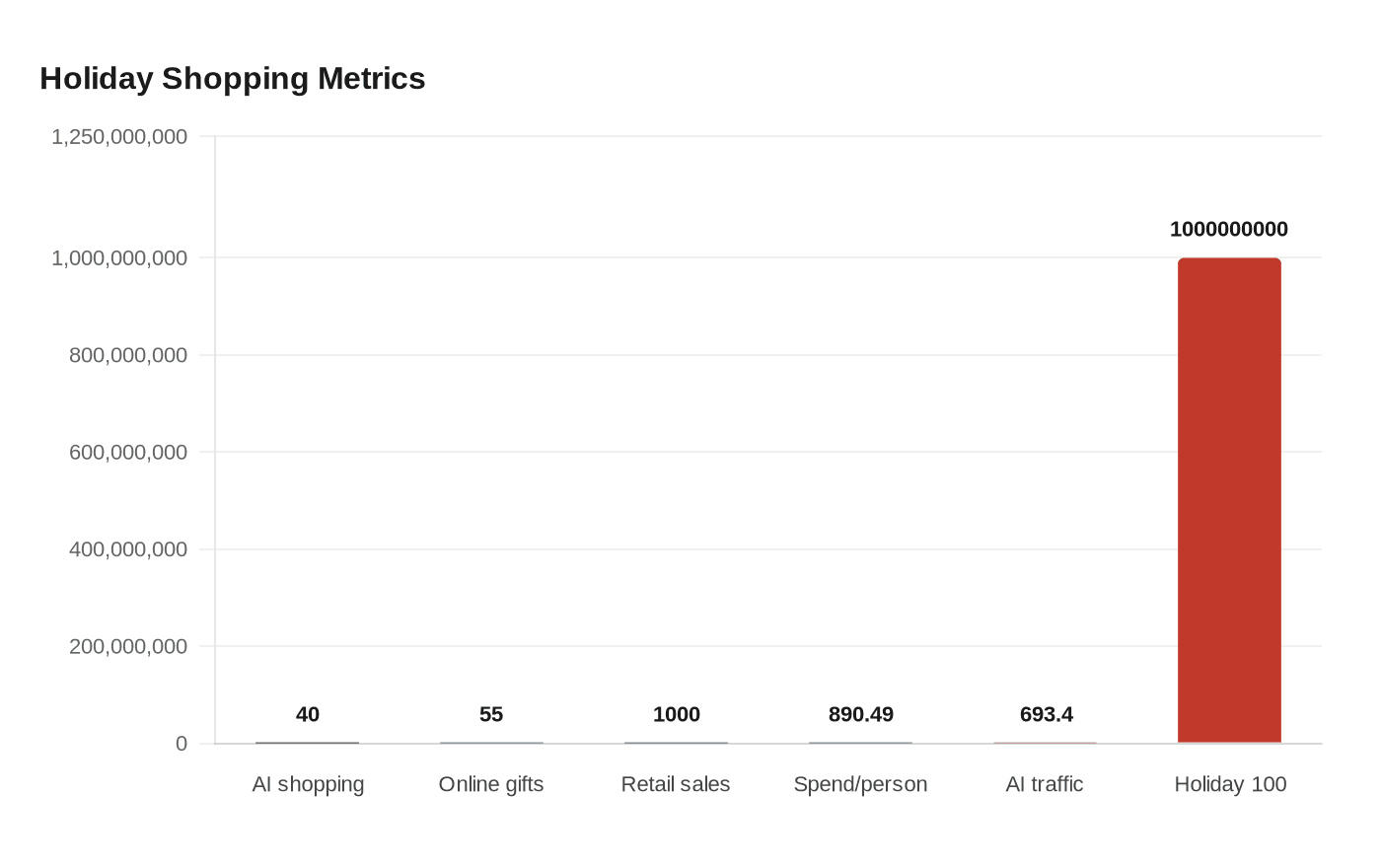
Google’s Holiday 100 list from 2025 shows how far this has gone. It was built from more than a billion daily shopping searches, which tells you something important: holiday discovery is already being shaped by search behavior at enormous scale. The best AI-era gift guides will not fight that reality. They will use it to surface the most relevant possibilities faster.
Where human taste still matters most
AI can narrow the field. It cannot tell you whether the person you are buying for wants polished or playful, elevated or quiet, useful or sentimental. That is still the editor’s job, and honestly, it is still the shopper’s job too.
The best gift decisions still start with three questions: the person, the price, and the use case. The person tells you whether the gift should feel clever, luxurious, cozy, or useful. The price keeps the choice honest. The use case stops you from buying something beautiful that will sit in a drawer. That framework matters more now, not less, because AI can make almost anything look easy to buy.
This is where the human layer becomes the whole point. AI can show you a dozen cashmere scarves, but you are the one who knows whether the recipient wears jewel tones, lives in neutrals, or would rather have a little leather goods moment instead. AI can sort the best-rated espresso machine; you decide whether your person is the sort who will actually use it before work. AI can surface the top-selling candle; you decide whether the gift should feel personal or purely pleasurable.
What holiday guides need to become next
The old gift guide formula was all about volume. The new one needs sharper judgment. Instead of trying to cover everyone, guides should help shoppers move from a vague wish to a smart purchase: a present for the person who has everything, a useful splurge under a set budget, a gift that looks expensive without being reckless, a tech item that actually saves time.
That shift fits the broader retail picture. Consumers are still shopping online in huge numbers, holiday spending is climbing, and AI is no longer a novelty sitting at the edge of the experience. It is becoming part of the path from search to cart, from cart to checkout, and from uncertainty to confidence.
The best holiday gifts in 2026 will not be the ones AI picked alone. They will be the ones AI helped you find, and a human eye made worth giving.
Know something we missed? Have a correction or additional information?
Submit a Tip